
Roof Moss: What Causes It & How To Get Rid Of It (5 Steps)

That soft green patch creeping across your shingles might look harmless, even charming, but roof moss is one of the quieter threats to your home’s protection. Moss holds water against roof surfaces, lifts leading edges, and speeds up the kind of wear that leads to costly repairs. The good news is that it is easy to remove when you catch it early and handle it the right way. Below, we cover what causes moss, how to clear it safely, and how to keep your roof in strong, leak-free shape for years to come.
Here’s what this guide covers:
- What causes moss to grow on shingles
- A safe 5-step removal process
- Why pressure washing is a costly mistake
- The best season to tackle moss
- How moss differs from black streaks
What Causes Roof Moss and Why It Matters
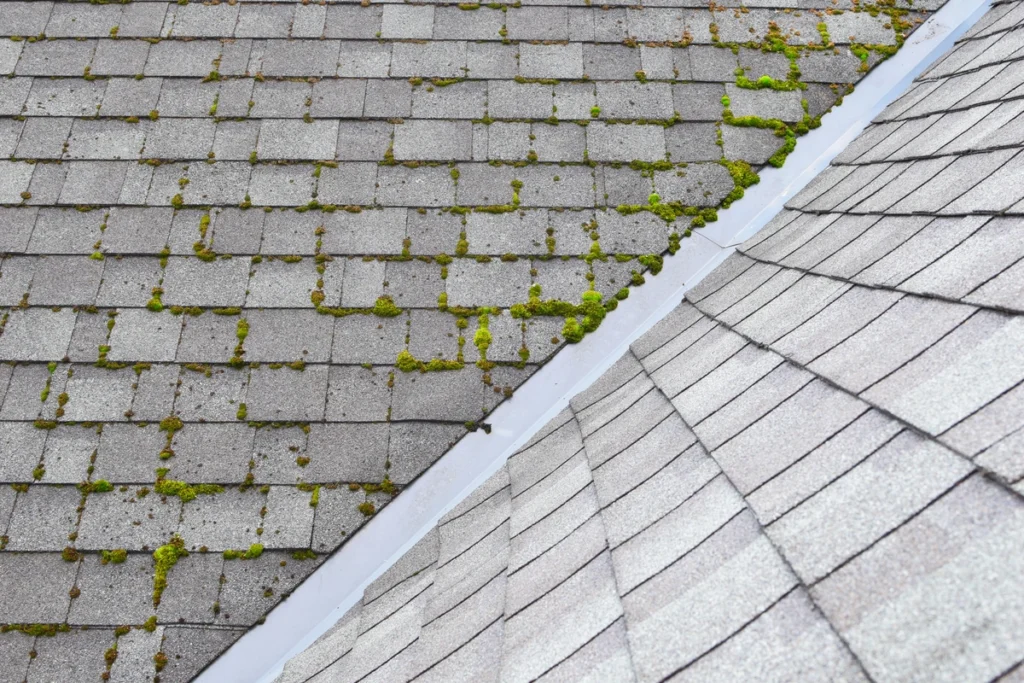
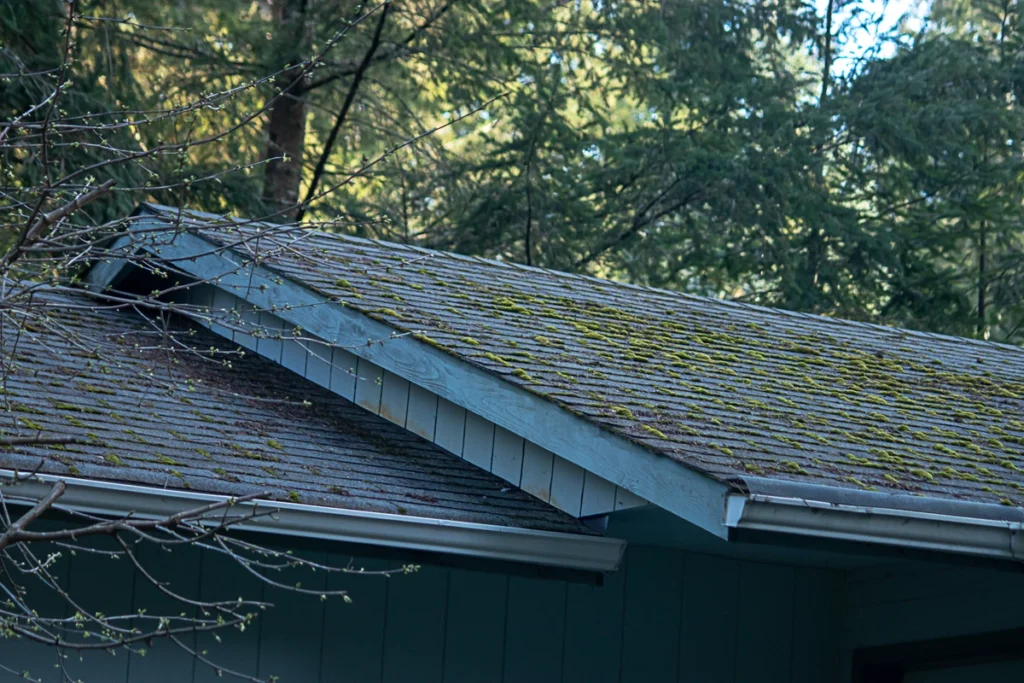
Moss is a simple plant that thrives in a moist environment with less direct sunlight. On a roof, that usually means north-facing slopes, sections under overhanging tree branches, and valleys where trees drop debris like leaves and pine needles. Moss is famous in the Pacific Northwest, but even in Oklahoma’s sunny climate, homes in Midwest City and surrounding areas with mature shade trees can develop moss after a wet spring or a mild, rainy fall.
Once moss settles in, it acts like a sponge, which is why experts warn that it can trap moisture and shorten the life of your shingles. Here is why it deserves your attention:
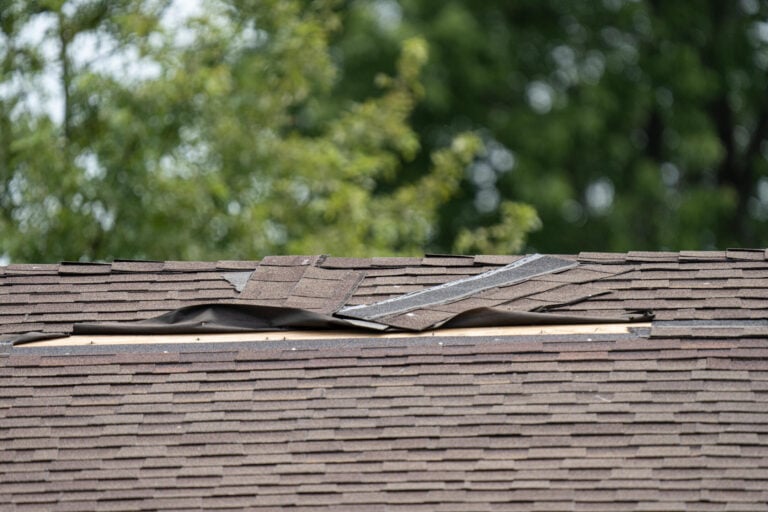
- Protects your shingles: Moss grows into the gaps between shingles and slowly pushes the edges upward, leaving them vulnerable to shingle blow off during wind events.
- Prevents hidden water damage: Constant moisture buildup can reach the underlayment and roof decking, leading to rot that is not visible from the ground.
- Preserves granules: Instead of a true root system, moss uses tiny rhizoids that loosen the granules shielding shingles from UV damage, causing premature aging.
- Keeps gutters flowing: Chunks of moss break off and wash into gutters and downspouts, creating clogs that disrupt proper water drainage and damage fascia.
Left alone, a small patch can spread across an entire roof plane within a few seasons. Addressing it early saves you from far more expensive repairs down the road.
5 Steps To Get Rid of Roof Moss Safely
Moss removal is not complicated, but doing it carelessly can cause more harm than the moss itself. The goal is to eliminate moss, loosen it gently, and protect your existing roof throughout the process.
1. Inspect the Roof From the Ground
Start by walking around your home with binoculars to see how much moss is present and where it is concentrated.
While you look, note any signs of shingle damage that need attention first:
- Lifted, curled, or cracked shingles
- Missing granules or bare spots
- Sagging areas or soft-looking sections
If you spot any of these issues, have the roof inspected before you treat the moss.
2. Protect Your Landscaping and Gutters
Most chemical treatments can harm landscape plants, so prep the area below your roof before you spray anything. Water nearby shrubs and flower beds thoroughly, then cover them with plastic sheeting or tarps. It also helps to remove debris with a leaf blower and clear your gutters so runoff drains freely.
3. Apply a Roof-Safe Moss Treatment
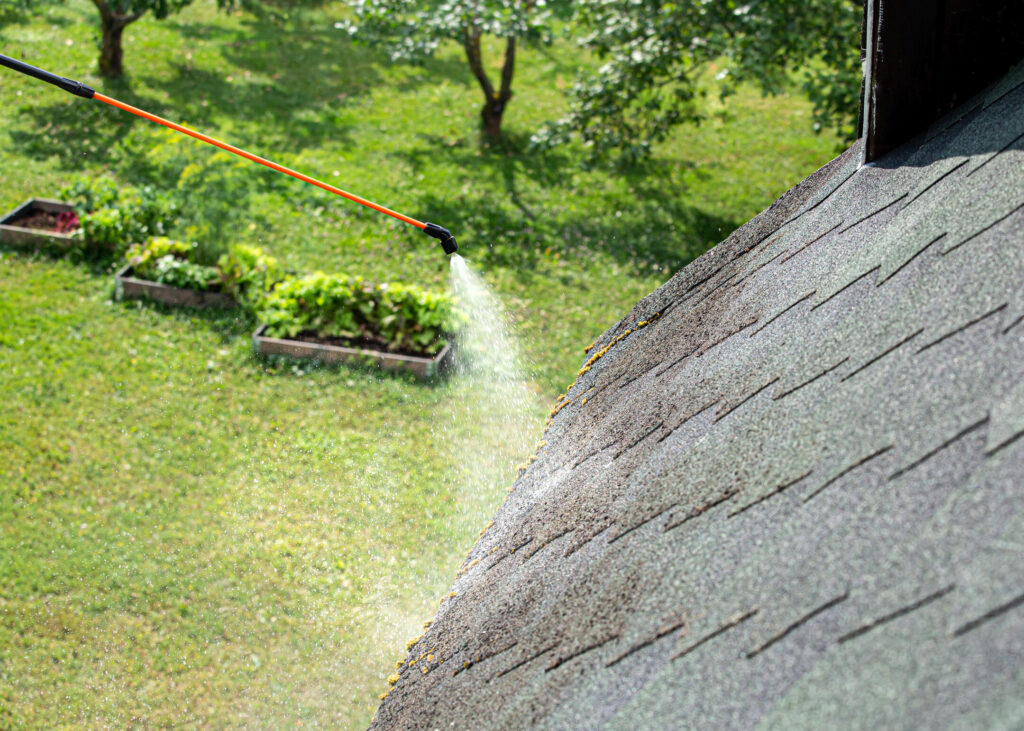
Choose a commercial moss killer from big box stores labeled safe for your roofing material, such as a zinc sulfate, potassium salt of fatty acids, or oxygen bleach product. Use a garden sprayer or hose end sprayer to apply it evenly to the affected areas. Always follow the label’s dilution and coverage instructions, because a stronger mix does not work faster and can discolor shingles or damage metal flashing.
4. Let It Work, Then Brush Gently
Give the treatment time to do its job. Depending on the product, moss may take anywhere from a few days to a few weeks to die off and turn brown or yellow. Once it is dead, sweep the moss from a roof with a long-handled soft brush, always working downward from the top. Never scrub upward or scrape with a metal tool, since that lifts shingle edges and strips granules.
5. Rinse Lightly and Prevent Regrowth
If needed, rinse with a regular garden hose at low pressure, spraying downward with the shingle overlap. Then take steps to keep moss from returning:
- Install zinc or copper strips below the ridge so rain carries metal particles that prevent moss down the roof
- Keep up with trimming overhanging trees to let in more direct sunlight and airflow
- Clean gutters and clear debris from valleys at least twice a year
These preventive habits do more to stop moss long term than any single treatment. A roof that dries quickly after rain gives moss very little chance to take hold again.
Timing, Safety, and the Pressure Washing Mistake
How and when you tackle moss matters almost as much as the method itself. A few smart choices can make the job safer, more effective, and far less likely to damage your roof.
The Best Time To Remove Roof Moss
Early fall and mid-spring are generally the best times to treat moss in Oklahoma. Mild temperatures help treatments work properly while moss is actively growing. Plan for a dry, overcast day with no rain in the forecast for at least 24 to 48 hours, so the product is not rinsed away before it takes effect. Skip peak summer heat, which makes treatments evaporate and softens shingles, as well as freezing days when the roof is slick.
Why You Should Never Pressure Wash Your Roof
A pressure washer may seem like the fastest fix, but it is one of the most damaging things you can do to an asphalt shingle roof. The force of the water blasts away protective granules, can crack or tear shingles, and drives water underneath them where it soaks the decking. Many shingle manufacturers also exclude pressure washing damage from warranty coverage. If a rinse is needed, stick to a standard garden hose at low pressure.
Roof Safety Tips Before You Climb
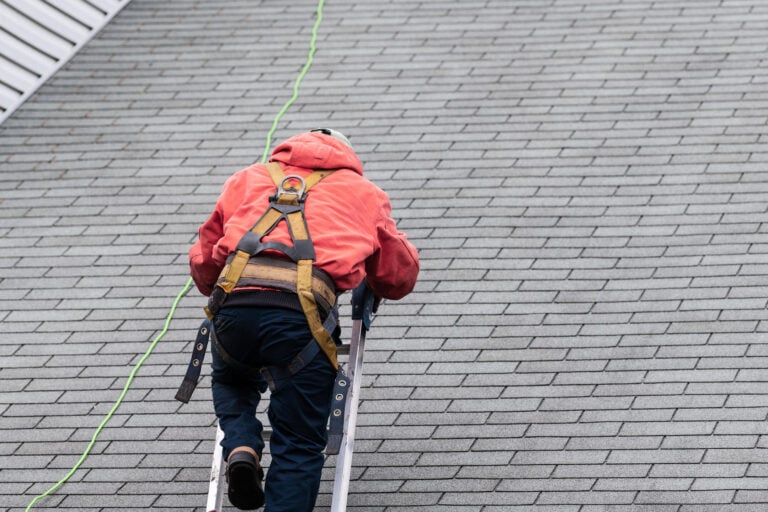
Working on a roof carries real risk, and moss makes surfaces even more slippery. If you plan to handle the job yourself, follow these precautions:
- Use a sturdy ladder: Set it on firm, level ground and extend it about three feet past the roof edge.
- Wear protective gear: Use slip-resistant shoes, gloves, eye protection, and a safety harness on steeper pitches.
- Never work alone: Have someone on the ground to steady the ladder and call for help if needed.
- Know your limits: Steep roofs, two-story homes, and heavy moss growth are best left to professionals.
Your safety always comes first. No amount of savings is worth a fall, so do not hesitate to call in help if anything about the job feels uncertain.
Moss, Black Streaks, and Roof Cleaning: Knowing the Difference
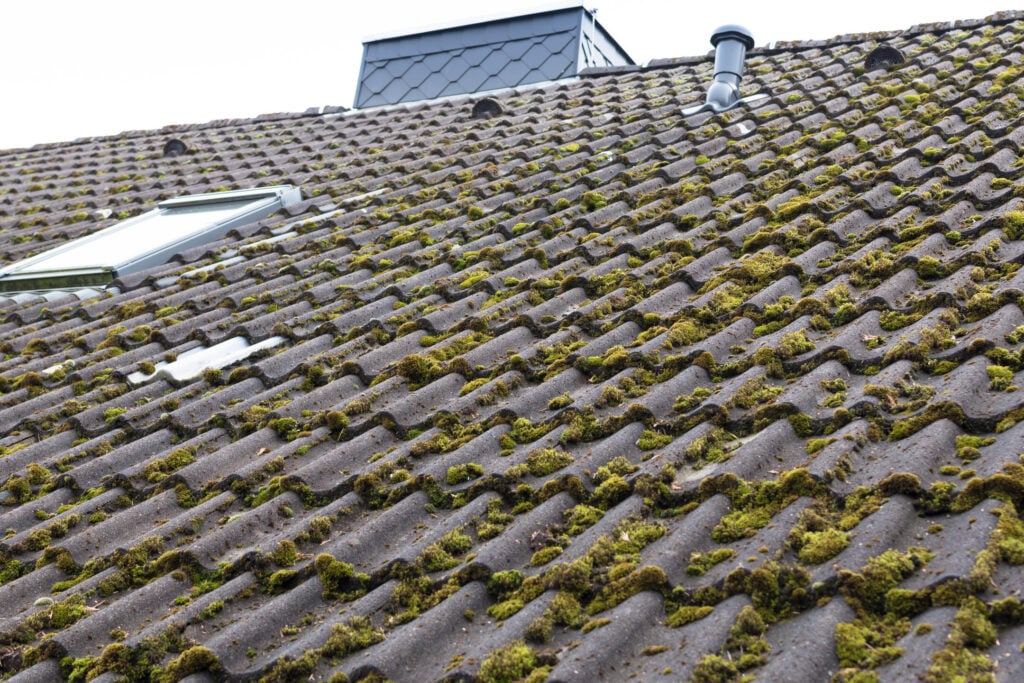
Not every dark or discolored spot on your roof is moss, and treating the wrong problem can waste time and money. The comparison below can help you identify what you are dealing with.
| Growth | What It Looks Like | Damage Risk | Typical Solution |
| Moss | Green, fuzzy, raised clumps | High: lifts shingles and holds moisture | Moss killer, gentle brushing, zinc strips |
| Black streaks (algae) | Dark vertical stains running down slopes | Low to moderate: mostly cosmetic, can raise cooling costs | Soft wash cleaning, algae-resistant shingles |
| Lichen | Flat, crusty, gray-green patches | Moderate: clings tightly and can pull granules | Targeted treatment, patience while it dies off |
Knowing which growth you have makes it easier to choose the right fix. In many cases, the same conditions that encourage one type also encourage the others.
What Black Streaks on Your Roof Really Mean
Those dark streaks are usually caused by an algae called Gloeocapsa magma, which spreads through airborne spores and feeds on the limestone filler in many roof shingles. It was once tied mostly to coastal or humid climates, but algae growth now shows up on many roofs nationwide. Algae discoloration typically begins on shaded slopes, with streaks visible from the street. Unlike moss, algae does not lift shingles, but black discoloration can make your home harder to cool during an Oklahoma summer.
When Professional Roof Cleaning Makes Sense
A professional roof cleaning uses low-pressure soft washing and roof-safe solutions to clear moss and algae growth in one visit without harming shingles. It is often the most effective method for steep or two-story homes or widespread growth.
Clean roofs look sharper and last longer when paired with good maintenance habits. For homeowners in Midwest City and surrounding areas, a roof inspection after cleaning offers added peace of mind.
Frequently Asked Questions About Roof Moss
Moss raises plenty of questions for homeowners, especially those seeing it for the first time. Here are quick answers to some of the most common ones.
Is moss on my roof a sign I need a new roof?
Not necessarily. However, heavy or long-term growth may have caused roof damage underneath, so an inspection is the best way to know for sure.
Can I use bleach or vinegar to kill roof moss?
Diluted liquid chlorine bleach, or white vinegar with a little dish soap in a spray bottle, can kill small patches. However, chlorine bleach can harm plants, corrode metal gutters, and fade shingles. A commercial moss killer labeled safe for your roofing material is usually the better choice.
How long does it take for moss treatment to work?
Most treatments take a few days to a few weeks to fully kill moss, and growth left for an extended period may need a second application. Dead moss turns brown or yellow and becomes much easier to brush away or wash off with rain.
Will moss come back after I remove it?
It can if the conditions that caused it remain. Trimming trees, keeping gutters clean, and installing zinc or copper strips greatly reduce the chances of regrowth.
Does homeowners insurance cover moss damage?
Usually not. Most policies treat moss as a maintenance issue rather than sudden damage, which makes prevention and early removal especially important.
Staying ahead of moss is one of the easiest ways to protect your roof investment. A little attention each season goes a long way.
Protect Your Roof From Moss Before It Spreads
Moss may start small, but it can quietly shorten the life of your roof if it goes untreated. Catching it early, removing it gently, and preventing regrowth helps your shingles stay strong and your home stay dry. If you are unsure how much damage moss has caused or simply want expert eyes on your roof, Palladium Roofing is here to help homeowners in Midwest City and surrounding areas. Contact us today to get started.
Related Articles