✨ How Does Flat Roof Drainage Work? (3 Options)

Flat roofs are a popular and practical choice for many businesses, offering a sleek, modern appearance and functional space for equipment like HVAC units or solar panels. But with their minimal slope, one crucial factor stands out—drainage. Without an effective drainage system, flat commercial roofing can collect water, leading to leaks, damage, or even structural issues over time.
This guide dives into everything you need to know about flat roof drainage systems and why they are essential for protecting your commercial roofing and property. Here’s what you’ll learn:
- Why flat roof drainage is critical for your building
- The most common drainage options available
- Tips for maintaining your drainage system
🤔 Why is Flat Roof Drainage Important?

Flat roofs aren’t entirely flat—they have a slight slope designed to direct water toward drainage systems. However, without an effective drainage solution, water can collect on the surface, causing a range of issues. Excess water adds significant weight to the roof, which can compromise its structural integrity over time. Additionally, standing water increases the likelihood of leaks, potentially damaging insulation and interior spaces.
Pools of water can also create an environment for algae and mold growth, which not only affects the roof’s appearance but can also pose health hazards. Proper drainage is essential to prevent these problems and ensure the longevity and safety of your flat roof.
How to Choose the Right Flat Roof Drainage System
Selecting the ideal drainage solution for your flat roof depends on several factors. Here’s a quick checklist to help you decide:
- Building Size: Larger roofs may require multiple drains to handle water efficiently.
- Weather Conditions: Areas with heavy rainfall benefit from systems like interior drains for high capacity.
- Budget: Gutters and scuppers tend to be budget-friendly, while interior drains require a larger upfront investment.
- Appearance: If aesthetics are a priority, consider options like hidden interior drains.
- Maintenance Requirements: Understand the upkeep each system will need and ensure routine inspections.
⭐️ 3 Common Flat Roof Drainage Options

Not all flat roof drainage systems are created equal, and selecting the right one for your building requires considering various factors, such as the size of the roof, the local climate, and your budget. Below, we explain three common flat roof drainage solutions in detail to help you make an informed decision.
1. Scuppers
Scuppers are openings strategically placed on the edges of a flat roof. Their purpose is to guide water off the roof’s surface, directing it away from the building’s walls and foundation. Water flows naturally toward the scuppers, and once it reaches these openings, it is channeled into downspouts or splash blocks that safely carry the water away from the structure. The effectiveness of scuppers relies heavily on their proper placement, as they need to be positioned where water tends to accumulate.
One of the key advantages of scuppers is their cost-effectiveness. They are relatively inexpensive compared to some other drainage systems and easy to install. In addition, scuppers can reduce the risk of water damage to the building’s walls and foundation, making them an efficient option for many properties. They also require less maintenance compared to more complex drainage systems, as they don’t involve extensive piping or mechanical components.
However, scuppers do have limitations. In areas with heavy or frequent rainfall, scuppers may struggle to handle the volume of water on their own unless combined with other drainage solutions. They can also become blocked by debris, such as leaves or dirt, if not cleaned regularly, which can hinder their performance.
2. Interior Drains
Interior drains are an effective solution for flat roofs, particularly for buildings that need to manage large amounts of water. These drains are strategically placed across the roof to collect water and funnel it through a network of pipes located inside the building. The water is then safely redirected to a storm drain or sewer system, keeping the roof clear and preventing water from pooling.
One of the main benefits of interior drains is their ability to handle heavy rainfall efficiently, making them an excellent choice for regions prone to frequent storms or large amounts of precipitation. The pipes used in interior drain systems are concealed within the structure of the building. This hidden design preserves the aesthetic appeal of the building’s exterior while also preventing water from running down its walls, which could cause long-term damage or staining.
However, maintaining interior drains is crucial to ensure their continued effectiveness. Regular checks are necessary to identify any blockages or clogs in the pipes, which could obstruct water flow and lead to pooling on the roof. Additionally, the surrounding areas of the drains and their strainers must be kept free from debris, as any buildup could compromise the drainage system’s performance.
3. Gutters
Gutters are a familiar and widely used drainage option for flat roofs. They are often paired with scuppers for additional efficiency, creating a comprehensive system for water management. Gutters are attached along the roof’s edges to collect runoff water and channel it into downspouts, which carry the water away from the building and its foundation. They are available in various sizes and materials, giving you the flexibility to choose a setup that suits your roof’s specific needs.
Gutters are a versatile drainage solution that works well for most types of businesses. They are relatively straightforward to install, and their ability to protect walls, sidewalks, and other surrounding areas from water damage makes them a popular choice. By directing water away from the roof’s edges, gutters minimize the risk of erosion or pooling around the foundation of the building.
Despite their many advantages, gutters do require regular cleaning and maintenance to ensure they remain functional. Leaves, dirt, and other debris can easily accumulate in gutters, creating blockages that prevent water from flowing freely. In addition, gutters may need frequent repairs in areas with extreme weather conditions, such as heavy storms or intense freezing cycles, where they risk damage from ice or high winds.
👉 Tips for Maintaining Your Flat Roof Drainage System
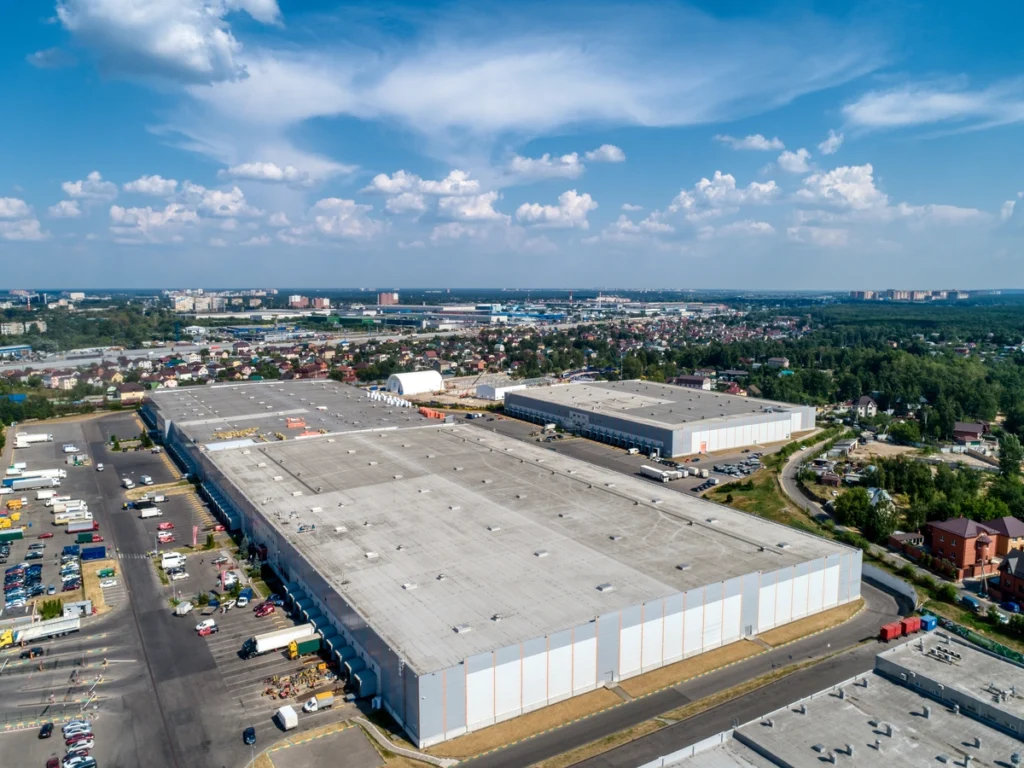
Proper maintenance of your flat roof drainage system is essential to prevent water buildup, which can lead to roof leaks, structural damage, and costly roof repairs. Keeping the system clean and functional helps extend the lifespan of your flat roof and ensures it stays in optimal condition.
Clean Your Flat Roof Drainage System Regularly
Keeping your flat roof’s drainage system clean is critical to prevent clogged drains, water pooling, and leaks. Regularly remove leaves, dirt, and debris from scuppers, gutters, and roof drains. Clogged flat roof drainage systems can cause unnecessary stress on your roof, so consistent cleaning ensures proper water flow and reduces the risk of damage.
Check for Flat Roof Drainage Damage Periodically
Flat roof drainage systems are exposed to the elements, making them prone to wear and tear. Inspect your system regularly for cracks, rust, or damaged roof drains. These small issues can quickly escalate into major flat roof problems if not addressed promptly. Proactive maintenance will protect your roof’s drainage system and functionality.
Inspect Flat Roofs After Storms
Storm damage can displace or harm drainage components. After heavy rain, snow, or strong winds, inspect your flat roof’s scuppers, gutters, and drains for disruptions. Addressing storm damage early prevents standing water, roof leaks, and potential structural damage to your flat roof.
Schedule Annual Professional Roof Drainage Assessments
Even with regular flat roof maintenance, some issues may go unnoticed. Have a qualified roofing contractor perform an annual flat roof drainage inspection to identify hidden problems early. Professional assessments ensure your drainage system works efficiently, extends roof lifespan, and prevents costly roof repairs.
With proper flat roof drainage system maintenance, you can avoid roof leaks, water damage, and unexpected repair expenses while keeping your flat roof in great shape.
🏢 Flat Roof Draining for Your Drainage
At Palladium Roofing, we know how critical proper flat roof drainage is to the longevity and protection of your commercial property. With our state certification, transparent pricing, and dedication to quality, we’ve earned the trust of businesses across Oklahoma. When you partner with us, you’re choosing a team that prioritizes your needs and delivers reliable, long-lasting solutions.
Don’t leave your roof to chance—contact Palladium Roofing today for a consultation and see why we’re the team you can count on for all your commercial roofing needs. Let’s protect your property together!
Related Articles