How Long Does It Take to Replace a Roof? (6 Factors)
Replacing your roof is one of the most significant home improvement projects you’ll undertake. When you start researching “how long does it take to replace a roof,” you’ll quickly discover that the timeline varies dramatically depending on several key factors. Understanding these variables helps you plan better and set realistic expectations for your roofing project.
Most residential roof replacements take between 1-5 days to complete, but this timeline can extend to several weeks depending on your specific circumstances. The process involves much more than simply removing old shingles and installing new ones. From initial inspection and material ordering to weather delays and final cleanup, numerous factors influence your project timeline.
This comprehensive guide covers everything you need to know about roof replacement timelines, including:
- The 6 primary factors that affect how long your roof replacement takes
- Different phases of the roof replacement process and their typical durations
- How weather conditions and permit requirements impact your timeline
- What you can do to help speed up the process
Understanding the Roof Replacement Process
Before diving into specific timeframes, it’s helpful to understand what actually happens during a roof replacement. The process involves several distinct phases, each with its own timeline requirements.
Initial Assessment and Planning Phase
Your roof replacement begins well before the first shingle comes off. The initial phase includes a thorough inspection, insurance coordination (if applicable), material selection, and permit acquisition. This planning phase typically takes 1-3 weeks, depending on your location’s permit requirements and material availability.
- Contractor inspects the roof and measures the area.
- Identifies any underlying structural issues.
- Helps you select suitable materials for your roof.
- Handles paperwork for permits and insurance (if applicable).
Material Procurement
Once you’ve approved the estimate and selected your materials, ordering and delivery typically takes 1-2 weeks. Popular materials like standard asphalt shingles are usually readily available, while specialty materials or custom orders may require additional time.
- Orders are placed for your selected roofing materials.
- Specialty or custom materials may take longer to arrive.
- Contractors coordinate delivery to avoid storage challenges on your property.
The Installation Phase
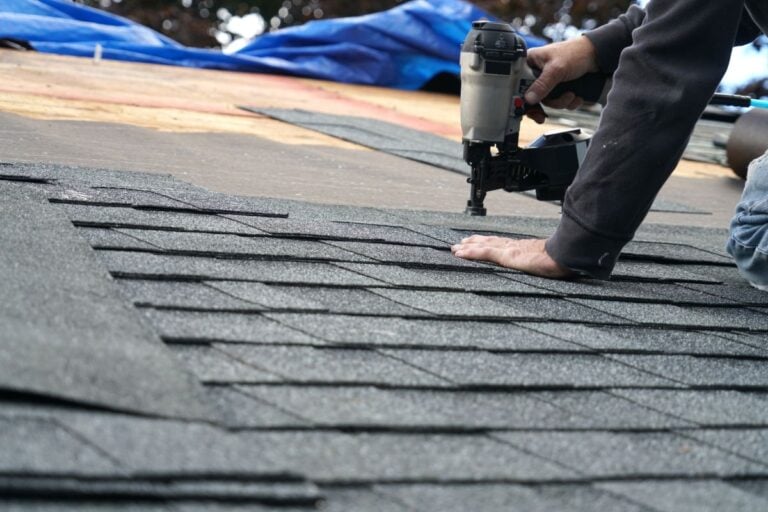
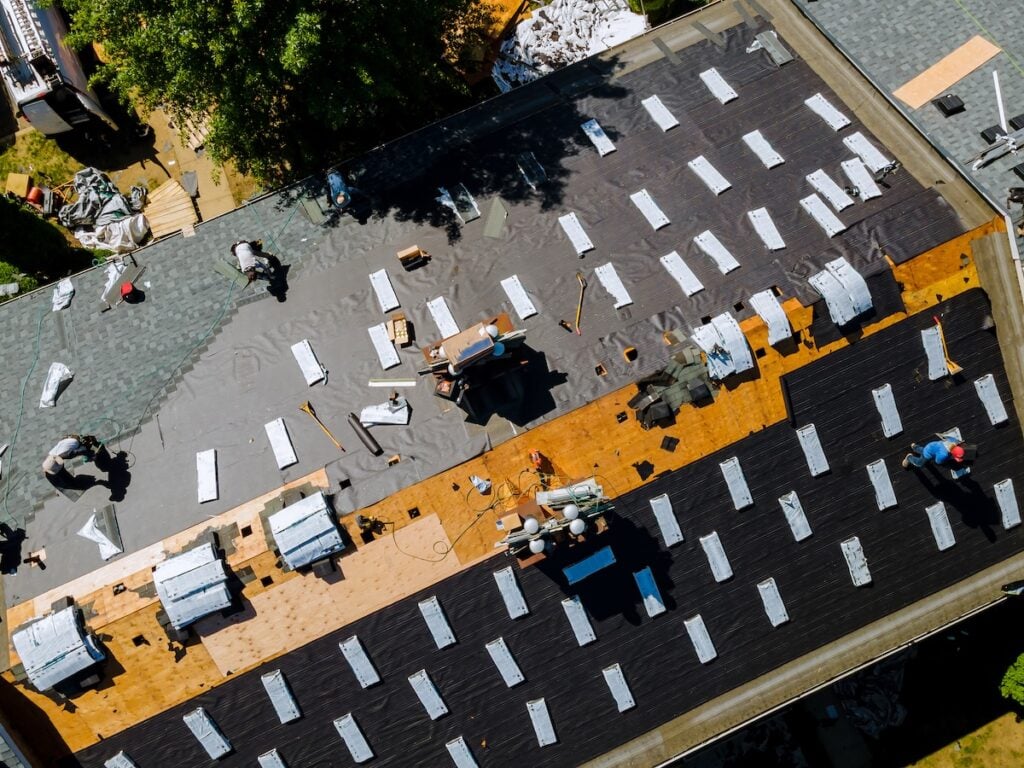
The actual roof removal and installation is where you’ll see the most visible progress. This phase duration depends heavily on the factors we’ll explore in detail below, but most residential projects take 1-5 days of active work.
- Old roofing materials are removed step by step.
- New materials are installed, ensuring proper sealing and alignment.
- Contractors address any unexpected repairs discovered during installation.
6 Key Factors That Affect Roof Replacement Time
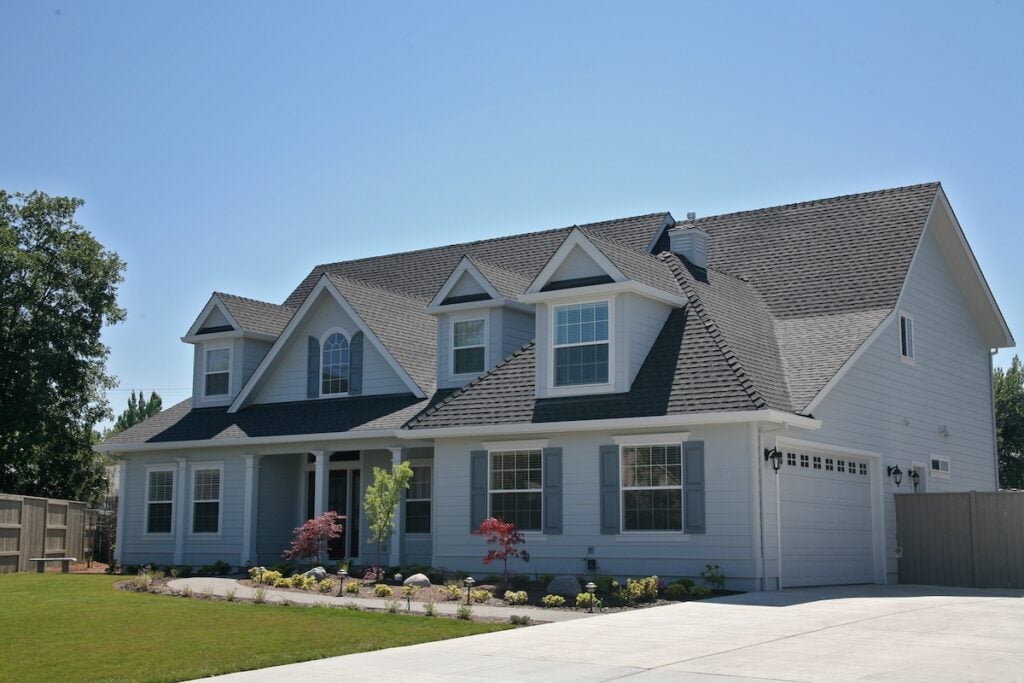
Understanding the factors that affect roof replacement time helps you plan effectively and avoid unexpected delays. It ensures the project stays on schedule and minimizes disruption to your daily life.
1. Roof Size and Complexity
The most obvious factor affecting your timeline is your roof’s size. Larger roofs naturally take more time to complete. However, complexity matters just as much as square footage.
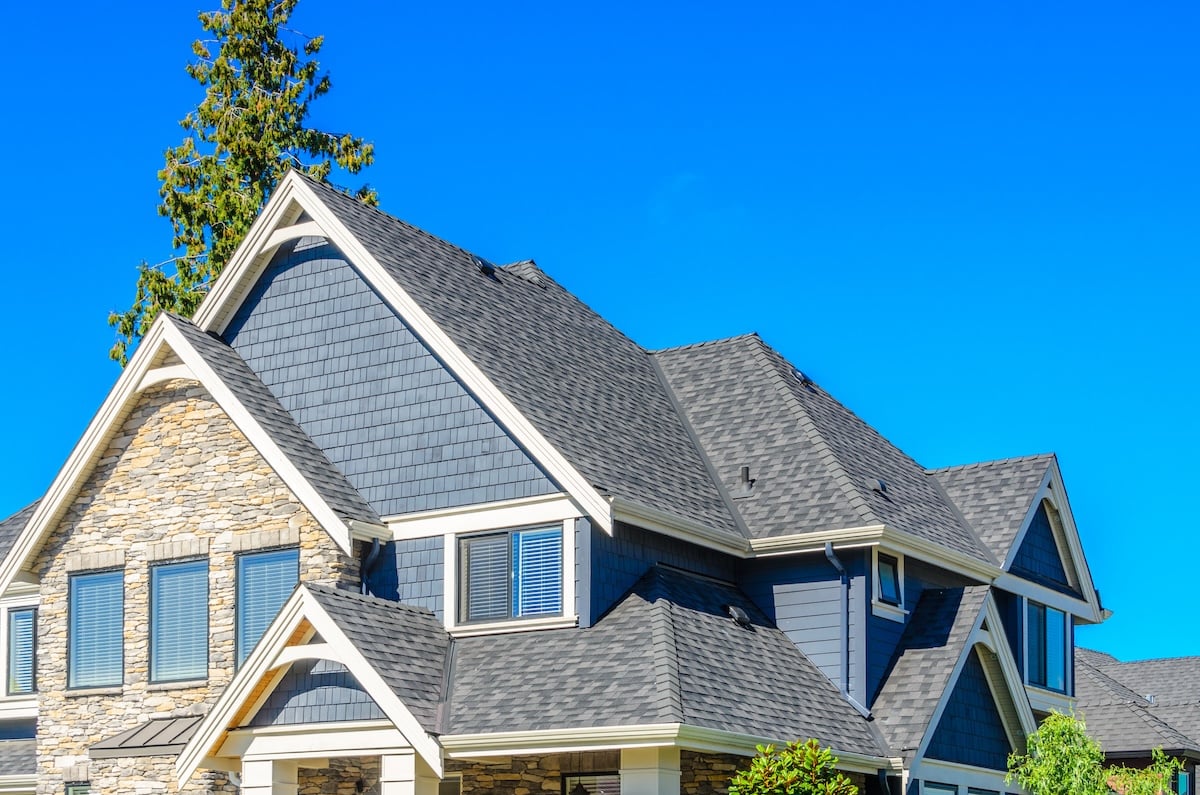
A simple ranch-style home with a straightforward gable roof can often be completed in 1-2 days, even if it’s fairly large. Meanwhile, a smaller home with multiple dormers, chimneys, skylights, and steep angles may require 3-4 days or more.
Complex architectural features require careful work around obstacles, additional flashing installation, and more detailed craftsmanship. Each dormer, chimney, or skylight adds time to the project as workers must carefully seal these penetrations to prevent leaks.
2. Roofing Material Type
Your material choice significantly impacts installation time. Different roofing materials require varying levels of skill, preparation, and installation time.
Asphalt shingles are the quickest to install, typically allowing crews to complete 20-30 squares (2,000-3,000 square feet) per day under ideal conditions. Metal roofing takes longer due to precise cutting and fitting requirements, while tile or slate installation requires even more time due to their weight and fragility.
Specialty materials like cedar shakes or composite tiles require experienced installers and careful handling, extending the timeline but providing superior durability and appearance.
3. Weather Conditions
Weather is perhaps the most unpredictable factor affecting your roof replacement timeline. Rain, snow, high winds, or extreme temperatures can halt work entirely for safety reasons.
Spring and fall are generally ideal roofing seasons, offering mild temperatures and less precipitation. Summer can be challenging due to extreme heat, while winter weather often makes roofing work impossible in many regions.
Your contractor should build weather contingencies into the project timeline and communicate clearly about weather-related delays. Reputable contractors prioritize safety and won’t rush work in dangerous conditions.
4. Existing Roof Condition and Layers
The condition of your existing roof greatly affects removal time. A single layer of asphalt shingles in good condition comes off relatively quickly. However, multiple layers of old roofing, damaged decking, or underlying structural issues can significantly extend the timeline.
If your contractor discovers rotted decking, damaged rafters, or other structural problems during removal, these issues must be addressed before new roofing installation can proceed. While this extends the timeline, addressing these problems is crucial for your new roof’s longevity and your home’s safety.
5. Crew Size and Experience
The size and experience level of your roofing crew directly impacts completion time. A full crew of 4-6 experienced roofers can work much more efficiently than a smaller or less experienced team.
However, bigger isn’t always better. An experienced crew of 3-4 skilled roofers often outperforms a larger crew with mixed skill levels. The key is having enough hands to work efficiently while maintaining quality and safety standards.
6. Permit and Inspection Requirements
Local building codes and permit requirements vary significantly by location. Some areas require multiple inspections throughout the process, which can add days or weeks to your timeline if inspectors aren’t readily available.
Your contractor should be familiar with local requirements and factor inspection schedules into the project timeline. Failing inspections due to code violations or poor workmanship can cause significant delays, which is why choosing an experienced, licensed contractor is so important.
Typical Timeline Breakdown by Project Phase
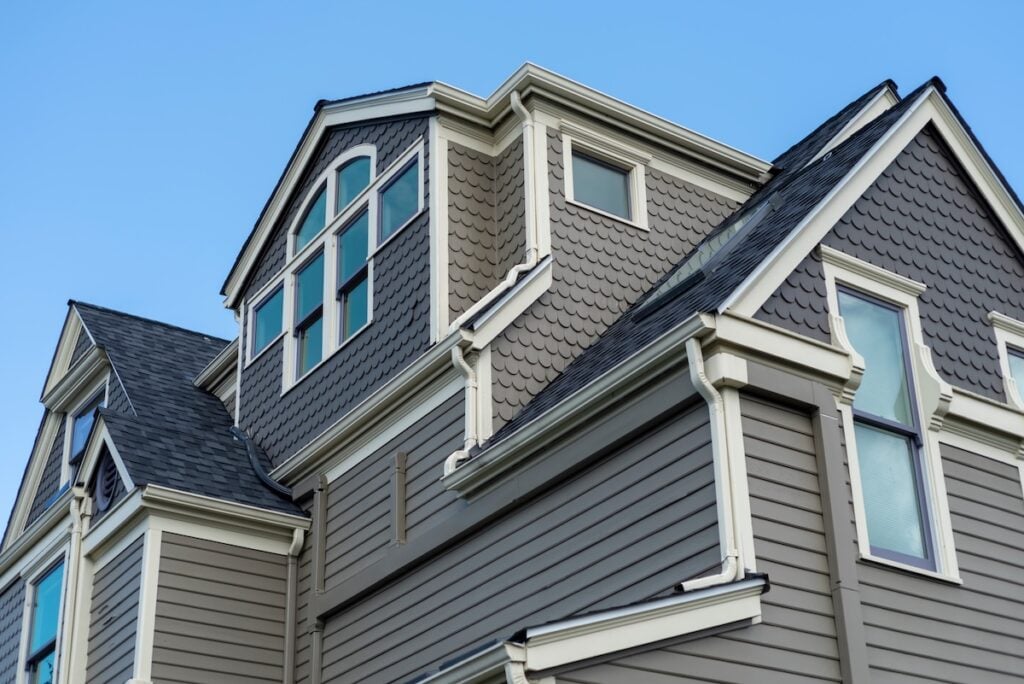
Understanding how long each phase typically takes helps you plan for the entire roof replacement process.
Pre-Installation Phase (1-4 weeks)
The pre-installation phase includes initial consultation, detailed inspection, insurance coordination, material selection, permitting, and scheduling. This phase timeline varies significantly based on:
- Permit processing time in your area
- Insurance claim complexity (if applicable)
- Material availability
- Contractor scheduling
- Season and weather conditions
Removal and Disposal (1-2 days)
Removing your old roof typically takes 1-2 days for most residential properties. This includes stripping old materials, disposing of debris, and preparing the surface for new installation.
Homes with multiple layers of old roofing or extensive decking repairs may require additional removal time. Proper disposal of old materials is crucial and reputable contractors include this in their timeline and pricing.
New Roof Installation (1-4 days)
Installing your new roof is typically the longest single phase of active work. Timeline varies based on all the factors mentioned above, but most residential installations complete within 1-4 days.
Complex roofs or specialty materials may require additional time. Your contractor should provide a realistic timeline based on your specific project requirements.
Final Inspection and Cleanup (1-2 days)
Professional contractors perform thorough cleanup and final quality inspections. This includes removing debris, cleaning gutters, conducting a final walkthrough, and addressing any punch list items.
Some areas require final municipal inspections before the project is officially complete. Your contractor should coordinate these inspections and ensure all work meets local code requirements.
How to Help Speed Up Your Roof Replacement
While many timeline factors are beyond your control, you can take steps to help ensure your project proceeds smoothly.
Choose Materials Early
Selecting your roofing materials early helps avoid delays. Popular materials are typically in stock, while specialty or custom options may require longer lead times.
Prepare Your Property
Clear your driveway and surrounding areas for material delivery and crew access. Remove vehicles, outdoor furniture, and decorative items that might be damaged by falling debris.
Communicate with Neighbors
Let your neighbors know about the upcoming project. Roofing work can be noisy and disruptive, and advance notice helps maintain good relationships.
Plan for Pets and Family
Consider arrangements for pets and family members during the noisiest work days. Some families prefer to stay elsewhere during roof removal, while others are comfortable remaining home.
Why Choose Palladium Roofing for Your Roof Replacement
When you’re ready to replace your roof, choosing the right contractor makes all the difference in both timeline and quality. At Palladium Roofing, we understand that replacing your roof is a significant investment that requires careful planning and expert execution.
Ready to get started on your roof replacement project? Contact Palladium Roofing today to schedule your complimentary inspection and receive a detailed timeline estimate tailored to your specific needs. Let our expertise and commitment to excellence give you peace of mind throughout your roofing project.
Related Articles