Ice Dam Removal: How to Prevent & Remove Them Fast
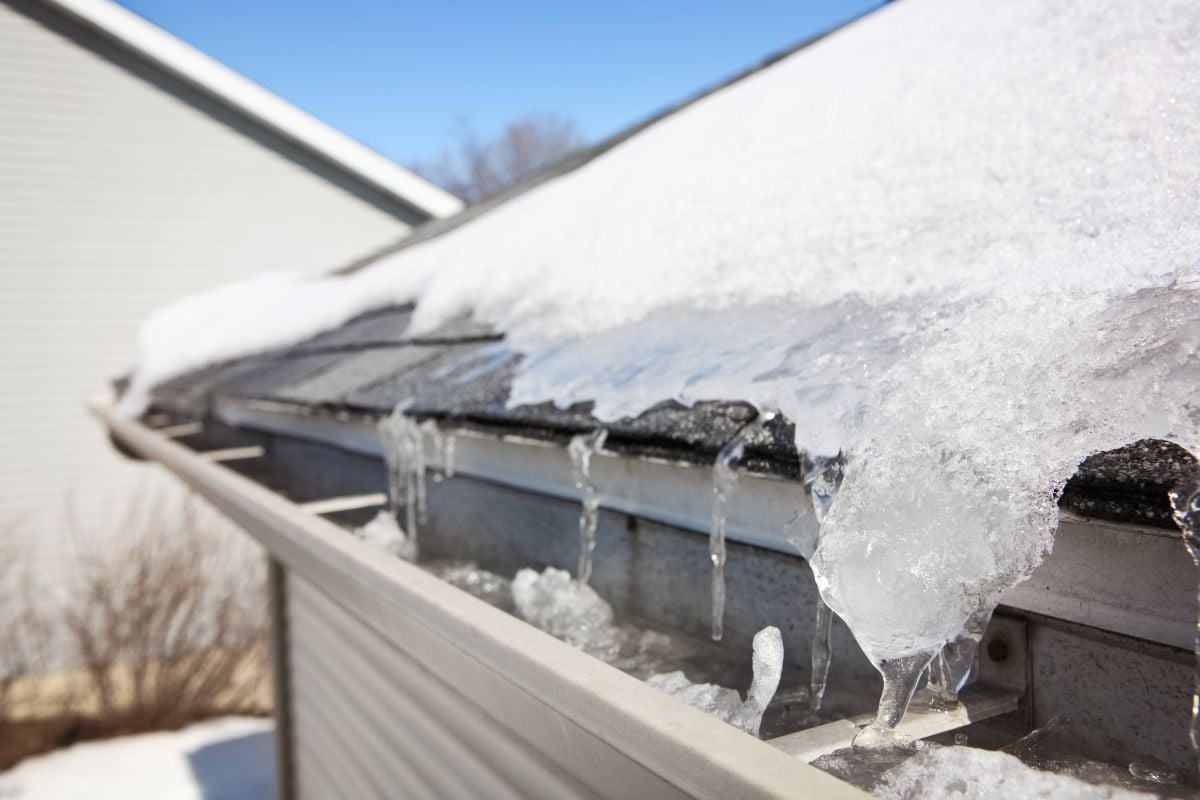
Winter weather can put serious stress on your roof, especially when snow and fluctuating temperatures create the perfect conditions for ice dam removal to become necessary. Ice dams can trap water, damage shingles, and even cause interior leaks if left untreated. Homeowners who understand how they form and how to deal with them quickly can prevent costly repairs. If winter weather has you worried about roof damage, learning more about proper maintenance and protection can help safeguard your home with the help of experienced roofing professionals.
In this guide, you will learn:
- What ice dams are and why they can cause serious roof damage
- The most common causes of ice dam formation
- Practical ways to remove ice dams safely and quickly
- Proven strategies to prevent them from forming in the future
Why Ice Dams Are a Serious Problem for Homeowners
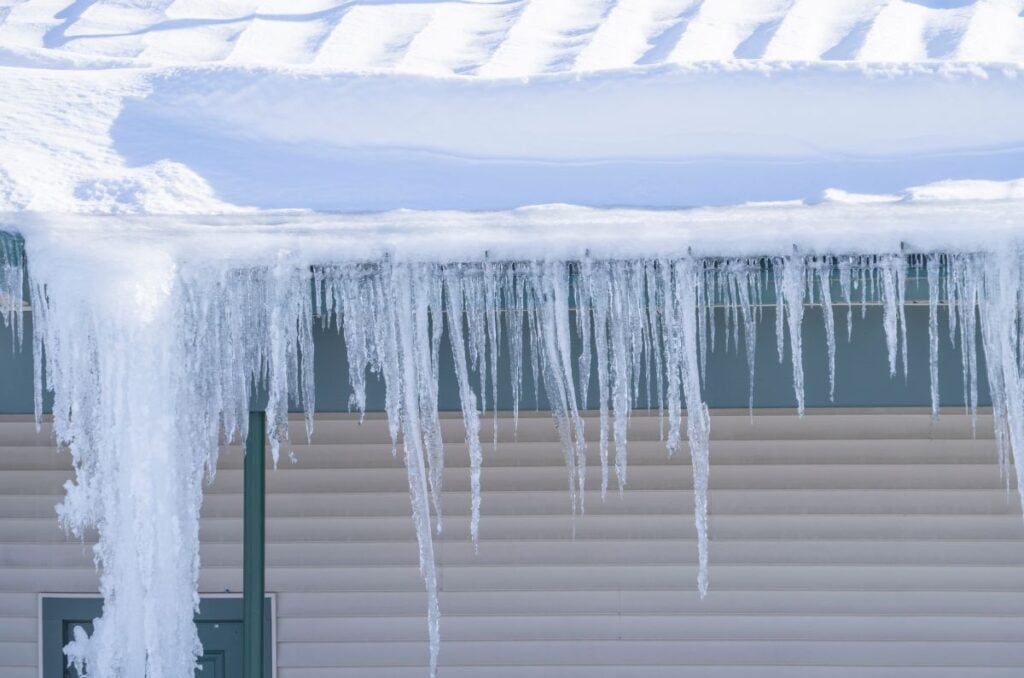
Ice dams may look like harmless ridges of ice along your roofline, but they can cause significant structural and interior damage. When snow melts and refreezes at the edge of the roof, it creates a barrier that traps water behind it. That trapped water can seep under shingles and into the home.
Over time, even a small ice dam can lead to widespread problems that affect the roof, insulation, drywall, and even electrical systems. Understanding the risks helps homeowners take early action before winter weather leads to expensive repairs.
Here are some key reasons why addressing ice dams quickly is essential.
- Prevent Interior Water Damage
When water backs up behind an ice dam, it can leak into ceilings and walls. This often leads to stains, peeling paint, damaged drywall, and costly interior repairs. - Protect Roofing Materials
Ice dams can loosen shingles, damage flashing, and degrade the roofing system over time. The freeze and thaw cycle puts constant pressure on materials that are designed to shed water rather than hold it. - Avoid Mold and Moisture Issues
Water infiltration can lead to hidden moisture inside insulation and walls. This creates an environment where mold can grow, which may impact indoor air quality. - Extend Roof Lifespan
Repeated winter damage shortens the life of roofing materials. Preventing ice dams helps your roof last longer and reduces the likelihood of early replacement. - Prevent Gutter and Structural Damage
Ice buildup can become extremely heavy. Gutters may bend, detach, or break under the weight of frozen ice.
Homeowners in Oklahoma City, OK and surrounding areas occasionally experience winter conditions that fluctuate above and below freezing. These temperature swings create the perfect environment for ice dams to develop along roof edges.
6 Common Causes of Ice Dams on Your Roof
Ice dams rarely appear without a reason. In most cases, they form because of heat escaping from inside the home combined with freezing outdoor temperatures. When warm air melts snow on the roof, that water flows downward and refreezes at colder edges.
Understanding these causes can help homeowners prevent ice dams before they become a serious problem.
1. Poor Attic Insulation
Inadequate insulation allows warm air from your living space to rise into the attic. This heat warms the roof deck and melts the snow sitting on top of it.
When the melted snow reaches the colder edge of the roof, it refreezes and forms an ice dam.
Common insulation problems include:
- Insulation that is too thin or compressed
- Missing insulation along roof edges
- Gaps around attic access panels
- Older homes with outdated insulation materials
Improving attic insulation helps keep heat inside the home rather than escaping through the roof.
2. Inadequate Attic Ventilation
Ventilation plays a major role in maintaining a consistent roof temperature during winter. Without airflow, warm air becomes trapped inside the attic.
This uneven heating causes snow to melt in some areas while remaining frozen in others.
Key ventilation components include:
- Ridge vents
- Soffit vents
- Gable vents
- Attic fans
Balanced ventilation allows cold air to circulate and maintain consistent temperatures across the roof surface.
3. Heat Loss From the Home
Certain areas of a home naturally lose more heat than others. These hot spots can create localized melting on the roof.
Examples include:
- Recessed lighting fixtures
- Chimneys and flues
- Bathroom exhaust fans
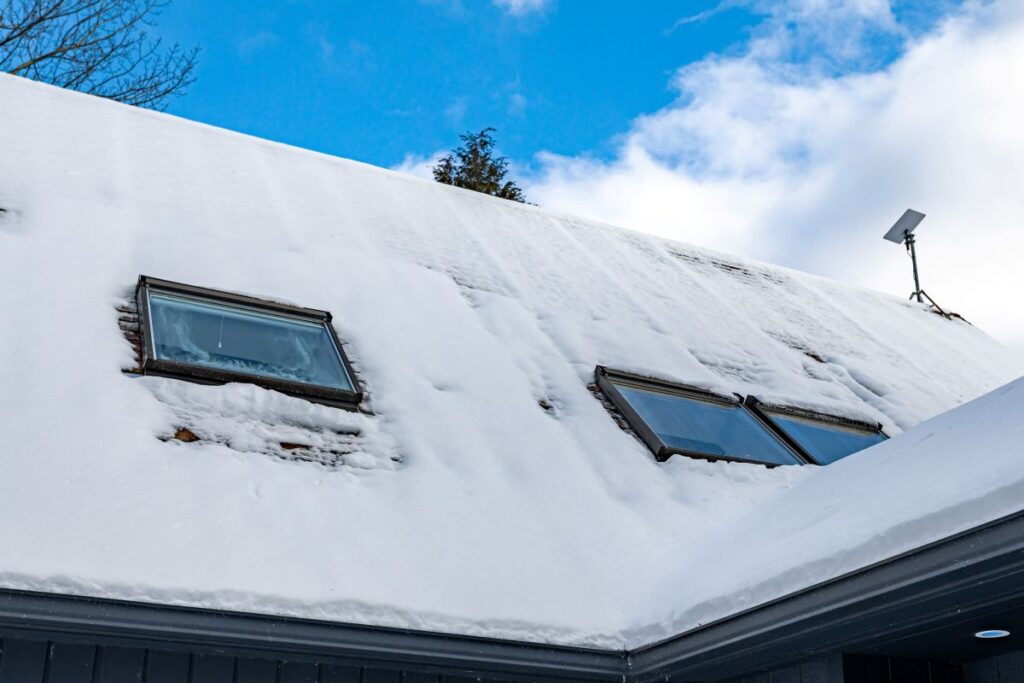
- Skylights
If these areas are not properly sealed and insulated, they can contribute to ice dam formation.
4. Clogged or Blocked Gutters
Gutters filled with leaves or debris prevent melted snow from draining properly. When water cannot flow through the gutter system, it backs up along the roofline.
During freezing temperatures, this trapped water quickly forms thick ridges of ice.
Regular gutter cleaning before winter helps prevent this issue.
5. Roof Design Challenges
Some roof designs are more prone to ice dams than others. Roofs with valleys, dormers, or shallow slopes can trap snow more easily.
Common problem areas include:
- Roof valleys where snow accumulates
- Shaded sections that stay colder
- Low slope roof edges
- Areas where large snow drifts form
These areas require extra attention during winter maintenance.
6. Heavy Snow Accumulation
Large snowstorms dramatically increase the risk of ice dams. The deeper the snow layer, the more insulation it provides on the roof surface.
That insulation traps heat underneath, which melts the lower layer of snow.
When temperatures drop again, the melted water freezes at the roof edge and forms an ice barrier.
Safe and Effective Methods for Ice Dam Removal
Once an ice dam forms, removing it safely is critical. Improper removal techniques can damage roofing materials or create safety risks.
Before attempting removal, homeowners should understand which methods are safe for both the roof and the person performing the work.
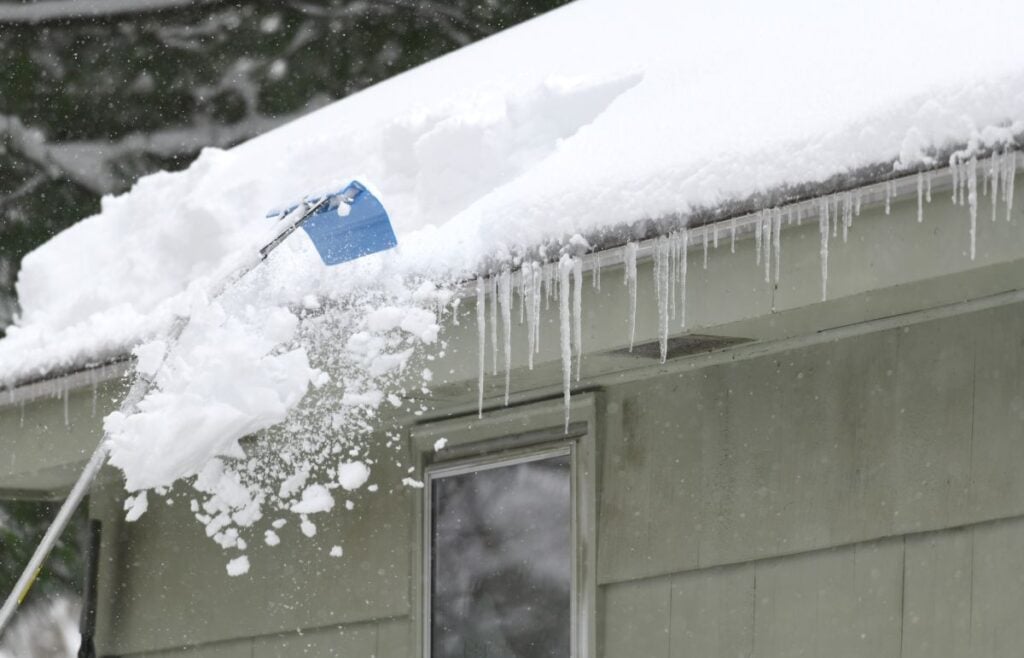
Use a Roof Rake
A roof rake is one of the safest tools for removing snow from the edge of your roof.
These long handled tools allow you to pull snow down from the ground without climbing onto the roof.
Benefits include:
- Reduces snow buildup that feeds ice dams
- Minimizes ladder use
- Helps prevent additional ice formation
Removing the lower few feet of snow along the roof edge can significantly reduce the chance of ice dams forming.
Apply Ice Melt Socks
Ice melt socks can create drainage channels through an ice dam.
They are typically made from fabric tubes filled with calcium chloride.
To use them:
- Fill a tube sock with calcium chloride
- Lay the sock perpendicular across the ice dam
- Allow the chemical to melt a channel through the ice
This allows trapped water to drain safely off the roof.
Avoid using rock salt, which can damage shingles and surrounding landscaping.
Use Warm Water Carefully
Warm water can sometimes loosen smaller ice formations.
However, this should be done cautiously. If outdoor temperatures are extremely cold, the water may refreeze quickly and create more ice.
Avoid Chipping Ice With Tools
Chisels, hammers, and other hard tools can cause serious damage to roofing materials.
Chipping away ice may:
- Crack shingles
- Damage flashing
- Create punctures in the roof surface
Professional removal is usually the safest option when ice buildup becomes significant.
Consider Professional Ice Dam Removal
Roofing professionals often remove ice dams using specialized steam equipment. Steam systems melt ice without damaging roofing materials.
Professional removal can:
- Eliminate ice dams safely
- Prevent roof damage
- Restore proper water drainage
How to Prevent Ice Dams Before Winter Starts
While removal methods address existing ice dams, prevention is always the best approach. Taking steps before winter arrives can significantly reduce the likelihood of ice dams forming.
Proactive maintenance protects both the roof and the interior of the home.
Improve Attic Insulation
Upgrading attic insulation helps maintain consistent roof temperatures during winter.
Key improvements include:
- Increasing insulation depth
- Installing insulation barriers near roof edges
- Replacing older insulation materials
Seal Air Leaks
Air leaks allow warm indoor air to escape into the attic.
Common leak locations include:
- Attic hatches
- Wiring and plumbing penetrations
- Light fixtures
- Exhaust vents
Sealing these gaps with foam or caulk reduces heat transfer.
Improve Attic Ventilation
Proper attic ventilation keeps temperatures consistent across the roof surface.
A balanced ventilation system typically includes soffit vents, ridge vents, and clear airflow channels above insulation.
Keep Gutters Clean
Gutters should be cleared before winter begins. Clean gutters allow melting snow to drain properly rather than backing up along the roof edge.
Remove Snow After Major Storms
Heavy snowfall should be removed when possible.
Using a roof rake shortly after storms helps eliminate excess snow before it melts and refreezes.
Winter Roofing Challenges in Oklahoma City, OK
Although Oklahoma is not known for heavy snowfall, homes in Oklahoma City, OK and surrounding areas can still experience ice dam problems during certain winters. Rapid temperature changes often cause snow to melt during the day and refreeze overnight.
These conditions make roof edges particularly vulnerable to ice buildup.
Professional roof inspections can help identify issues that contribute to ice dams such as insulation gaps, ventilation problems, or damaged shingles. Addressing these issues before winter arrives can significantly reduce the risk of leaks and structural damage.
Homeowners who schedule seasonal inspections often discover small roofing issues early, which prevents larger problems later in the season.
Frequently Asked Questions About Ice Dams in Oklahoma
Homeowners in Oklahoma City, OK and surrounding areas often have questions about how winter weather affects their roofs. Below are some of the most common concerns related to ice dam formation and prevention.
Do ice dams happen in Oklahoma?
Yes. While Oklahoma does not receive the same snowfall as northern states, ice dams can still form when snow melts during the day and refreezes overnight. Temperature swings are the main factor that creates ice buildup along roof edges.
How can I prevent ice dams on my roof?
Improving attic insulation and ventilation is one of the most effective ways to prevent ice dams. Keeping gutters clean and removing heavy snow after storms also helps reduce risk.
Are ice dams dangerous for my home?
Yes. Ice dams can trap water behind them, forcing it under shingles and into the home. This can lead to roof leaks, insulation damage, and interior ceiling stains.
When should I call a roofing professional?
If you notice thick ice buildup, leaking ceilings, or repeated ice dams every winter, it is best to have a professional inspect your roof. Experts can identify the root cause and recommend permanent solutions.
Protect Your Home From Ice Dams This Winter
Ice dams can quickly turn from a minor winter nuisance into a serious roofing problem. Understanding how they form, how to remove them safely, and how to prevent them can help homeowners protect their property from water damage and costly repairs.
Taking steps such as improving attic insulation, maintaining ventilation, and removing snow buildup after storms can significantly reduce the risk of ice dams forming. When ice dams do occur, professional removal and roof inspections help prevent further damage.
If winter weather has caused ice buildup on your roof, the team at Palladium Roofing is here to help. Our experienced professionals provide inspections, repairs, and winter damage solutions designed to protect your home. Reach out to Palladium Roofing and contact us today to schedule an inspection and keep your roof performing its best year round.
Related Articles