Flat Roof Hail Damage (6 Steps to Spot & Repair Fast)
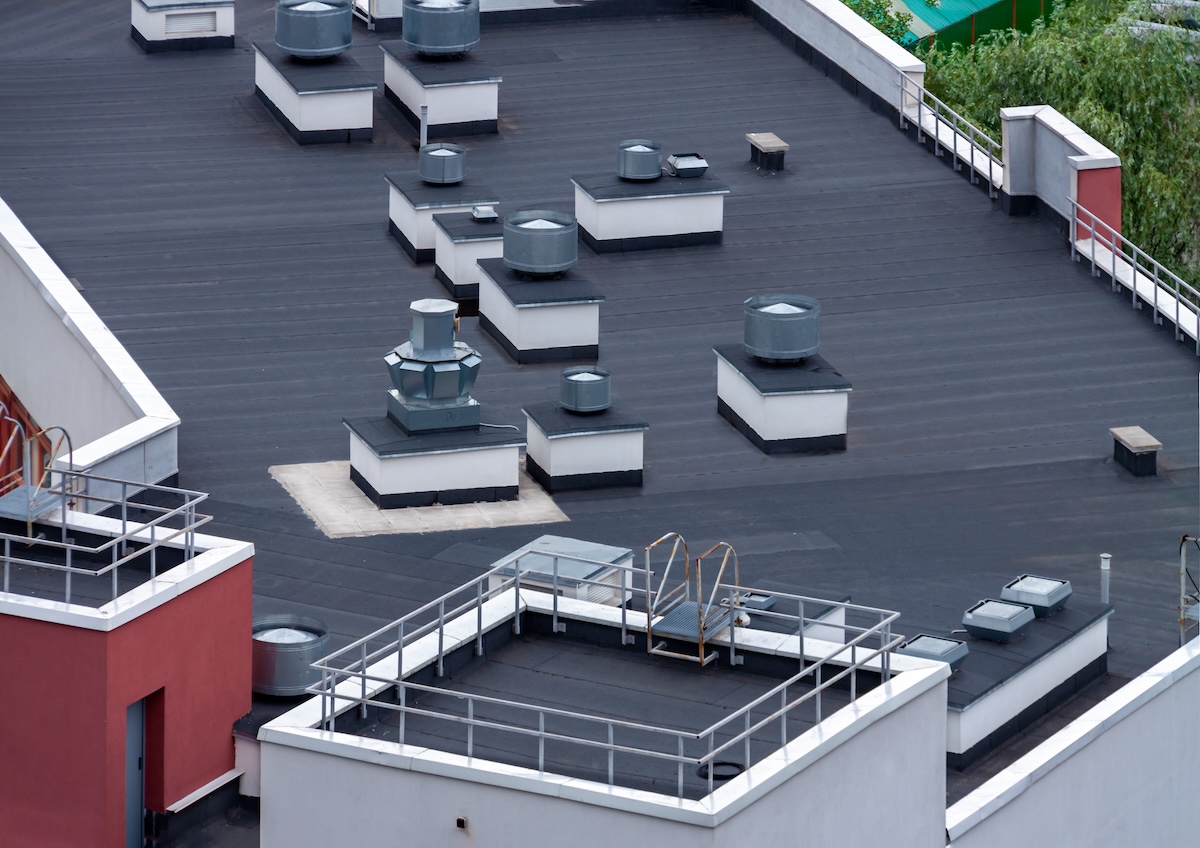
Severe weather is nothing new to Oklahoma business owners, but one of the most common and costly issues that commercial properties face is flat roof hail damage. Unlike sloped roofs that can shed hail impact more easily, flat roofing systems often absorb the full force of a storm—leaving behind dents, cracks, or leaks that can spread quickly if not addressed. To understand what damage looks like and what to do next, explore our roofing solutions for businesses that are designed to withstand Oklahoma’s unpredictable conditions.
In this guide, you’ll learn:
- How to recognize the early signs of flat roof hail damage
- What steps to take immediately after a storm
- Which repair and replacement options make sense for your property
- How to prevent future damage with smart maintenance and materials
Why Flat Roof Hail Damage Requires Immediate Attention
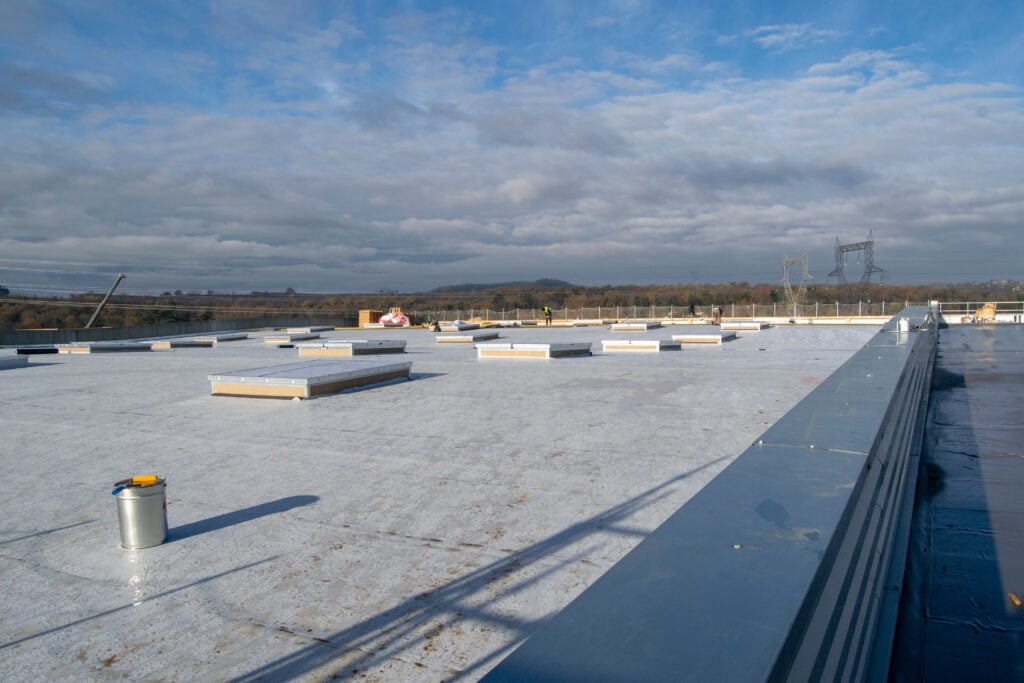
Ignoring hail damage on a flat roof can lead to structural and financial problems. Unlike steep roofing systems, flat roofs are more vulnerable to water pooling and hidden cracks that worsen over time. Taking prompt action helps preserve your property’s integrity, safety, and long-term value.
- Prevents Costly Water Damage: Small punctures can quickly lead to leaks that spread into insulation and ceilings.
- Maintains Structural Strength: Detecting damage early prevents weakened membranes or roof decks from collapsing under stress.
- Avoids Insurance Claim Denials: Immediate documentation after a storm increases your chance of full coverage.
- Extends Roof Lifespan: Quick repairs reduce long-term wear and prevent early replacement costs.
- Protects Business Operations: Preventing interior water leaks helps you avoid downtime and property damage inside your facility.
For commercial property owners in Oklahoma City, OK and surrounding areas, where hail events are frequent, fast response can make the difference between a simple repair and a full roof replacement.
6 Steps to Spot and Repair Flat Roof Hail Damage
Whether you manage an office building, retail center, or warehouse, flat roof systems are designed differently than sloped ones—and hail affects them differently too. Here are six important steps to identify, document, and repair damage effectively.
1. Perform a Visual Inspection After the Storm
Once it’s safe, take a close look at your roof’s surface. Flat roofs often conceal damage that isn’t immediately visible, so pay attention to subtle signs.
- Dents or dimples on metal flashing and vents
- Cracks or splits in membrane layers (TPO, EPDM, or PVC)
- Standing water in new or unusual areas
- Debris impact marks on parapet walls or drains
Even minor dents may signal deeper membrane compromise. If possible, photograph everything for insurance purposes before cleanup begins.
2. Check for Interior Water Leaks
Hail damage doesn’t always show up outside first. Look inside your building for signs of leaks or water intrusion.
- Brown or yellow ceiling stains
- Damp insulation or soft drywall
- Musty smells or bubbling paint
These signs often appear within days after a storm. Early detection allows roofing professionals to pinpoint entry points and stop leaks before they worsen.
3. Schedule a Professional Roof Inspection
After documenting visible damage, the next step is to call an experienced roofing company for a detailed assessment. A professional inspection will include core samples, moisture scanning, and membrane testing to identify hidden damage.
- Detects leaks below the surface membrane
- Provides a written report for insurance claims
- Determines whether repair or replacement is necessary
A qualified roofing contractor will also check seams, joints, and flashings—areas that hail tends to weaken first.
4. File an Insurance Claim Promptly
Hail damage claims are time-sensitive. Most insurance policies require reporting within a specific window, often 6 to 12 months after the event. Provide your insurer with photos, inspection reports, and estimates from your roofing contractor.
- Contact your insurance provider immediately
- Keep records of all communication and documentation
- Use your roofing inspection report to support the claim
Working with a contractor familiar with the insurance process—like Palladium Roofing—can streamline approval and ensure you receive full compensation for necessary repairs.
5. Choose the Right Repair or Replacement Method
The best solution depends on the extent of the damage and your roof’s material type. Your roofer will recommend one of the following approaches:
- Membrane Patch Repairs: Ideal for small punctures or isolated cracks.
- Partial Resealing: Restores waterproofing and strengthens seams in affected zones.
- Full Roof Replacement: Required when hail impacts are widespread or have compromised insulation layers.
For Oklahoma City business owners, it’s often best to select reinforced membranes or impact-resistant coatings that provide better long-term protection against future storms.
6. Schedule Regular Maintenance to Prevent Recurrence
After repairs are complete, ongoing maintenance is key to extending your roof’s life.
- Have inspections twice a year and after major storms
- Clean drains and remove debris to prevent pooling
- Check seals around vents and edges regularly
- Apply reflective coatings to reduce UV wear and improve performance
Consistent upkeep saves thousands in repair costs and ensures your commercial property stays protected year-round.
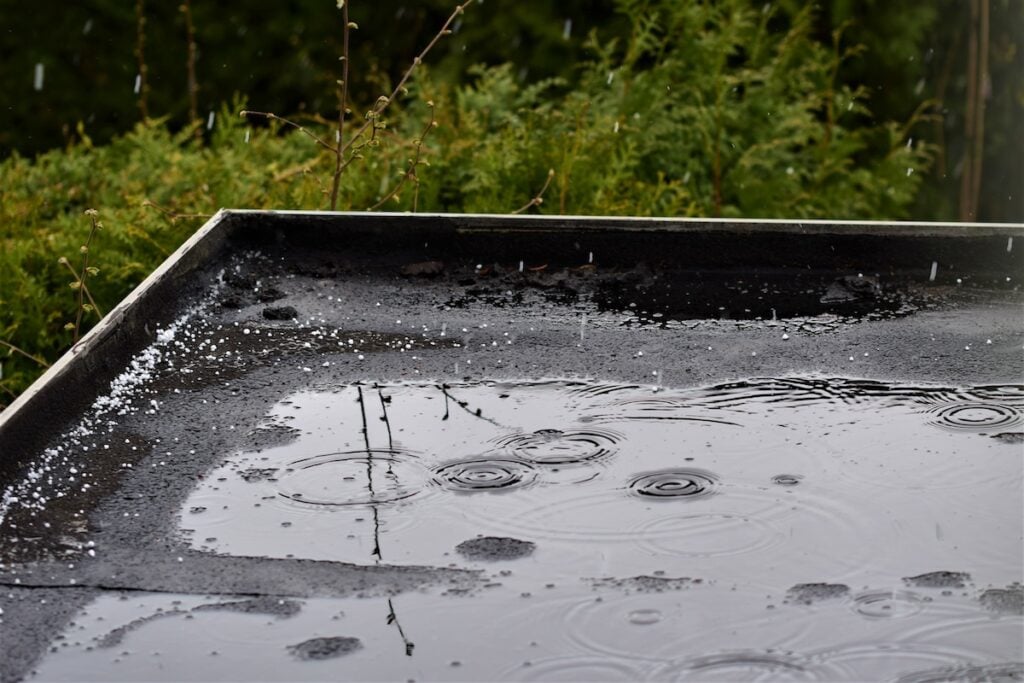
Common Flat Roof Materials and Their Vulnerability to Hail
Understanding how different roofing materials react to hail can help you choose the best option for your property’s long-term protection.
TPO (Thermoplastic Polyolefin)
TPO roofs are durable and energy-efficient but can suffer from surface cracks and punctures under large hail. Reinforced TPO membranes or protective coatings can increase resilience.
EPDM (Ethylene Propylene Diene Monomer)
EPDM rubber roofs resist UV rays well, but large hail can cause dents or membrane splits over time. Thicker EPDM sheets typically provide better protection.
PVC (Polyvinyl Chloride)
PVC roofs handle chemicals and fire well, but they can become brittle with age. In older systems, hail can create visible fractures or delamination.
Modified Bitumen
This asphalt-based system is one of the most impact-resistant flat roofing materials, especially when topped with granules. However, large hail may still displace granules or puncture seams.
Choosing the right roofing material during installation or replacement makes a major difference in how your roof withstands hail impacts over the years.
Flat Roof Hail Damage in Oklahoma City, OK
Hailstorms in Oklahoma City and surrounding areas are common, often producing hailstones large enough to damage commercial and residential roofs alike. Flat roofing systems are particularly at risk due to their horizontal design and limited water runoff.
Local Weather Risks
- Frequent Hailstorms: Oklahoma ranks among the top states for hail frequency each year.
- Strong Winds: Wind-driven hail can strike membranes with greater force, increasing puncture risk.
- Heavy Rain and Flooding: Flat roofs with poor drainage can collect hailstones and water, intensifying damage.
Why Local Expertise Matters
Choosing a local contractor who understands Oklahoma’s weather challenges is crucial. Palladium Roofing provides specialized repair and replacement services for commercial flat roofs, ensuring your building’s system is ready for future storms. Our team inspects, documents, and restores hail-damaged roofs with precision and care so you can get back to business faster.
FAQs About Flat Roof Hail Damage in Oklahoma
Hail damage can be subtle but costly. Here are answers to the most common questions Oklahoma business owners have about identifying and repairing flat roof hail damage.
How can I tell if my flat roof has hail damage?
Look for dents in metal flashing, cracks in the membrane, or pooling water after a storm. Interior leaks and ceiling stains are also key indicators.
Can small hail really damage a flat roof?
Yes. Even small hailstones can compromise membranes if they strike repeatedly or are driven by high winds. Over time, these minor impacts lead to larger leaks and insulation damage.
How soon should I schedule an inspection after a hailstorm?
It’s best to schedule a professional inspection within 48 hours after the storm to document damage and start the insurance process quickly.
Will insurance cover flat roof hail damage?
Most commercial property insurance policies cover hail damage, but coverage depends on your specific plan. Documentation and timely claims are essential for approval.
What if I delay repairs?
Delaying repairs can lead to water infiltration, mold growth, and higher replacement costs. Even small cracks can spread fast in Oklahoma’s heat and humidity.
Long-Term Prevention Strategies for Commercial Roofs
Protecting your roof from future hail damage starts with proactive measures and smarter material choices.
- Install Impact-Resistant Materials: Choose reinforced membranes and coatings rated for high-impact resistance.
- Add Protective Coatings: Acrylic or silicone coatings absorb impacts and extend the roof’s lifespan.
- Maintain Proper Drainage: Keep drains clear to avoid water and hail accumulation.
- Schedule Routine Inspections: Regular checks before and after storm season catch problems early.
- Plan for Future Weather Events: Investing in maintenance now reduces the risk of major damage later.
Commercial roofs in Oklahoma face more environmental stress than most states. A proactive approach ensures that your property remains safe and structurally sound no matter what the weather brings.
Protect Your Business with Palladium Roofing
Flat roof hail damage is one of the most common yet preventable issues property owners face in Oklahoma. Quick detection, professional inspection, and prompt repairs can save you thousands of dollars and prevent major interruptions to your business. If you’re comparing replacement options, exploring the different types of metal roofing can help you choose a system that offers superior durability against future storms.
If you’re located in Oklahoma City, OK and surrounding areas, Palladium Roofing is your trusted partner for high-quality flat roof inspections, repairs, and storm restoration. Our experienced team understands how to identify damage, work with your insurance company, and install materials built for Oklahoma’s climate. Don’t wait for leaks to worsen—contact us today to schedule an inspection and protect your commercial property with the strength and reliability it deserves.
Related Articles