FM Global Requirements for Commercial Roofing (2026 Guide)
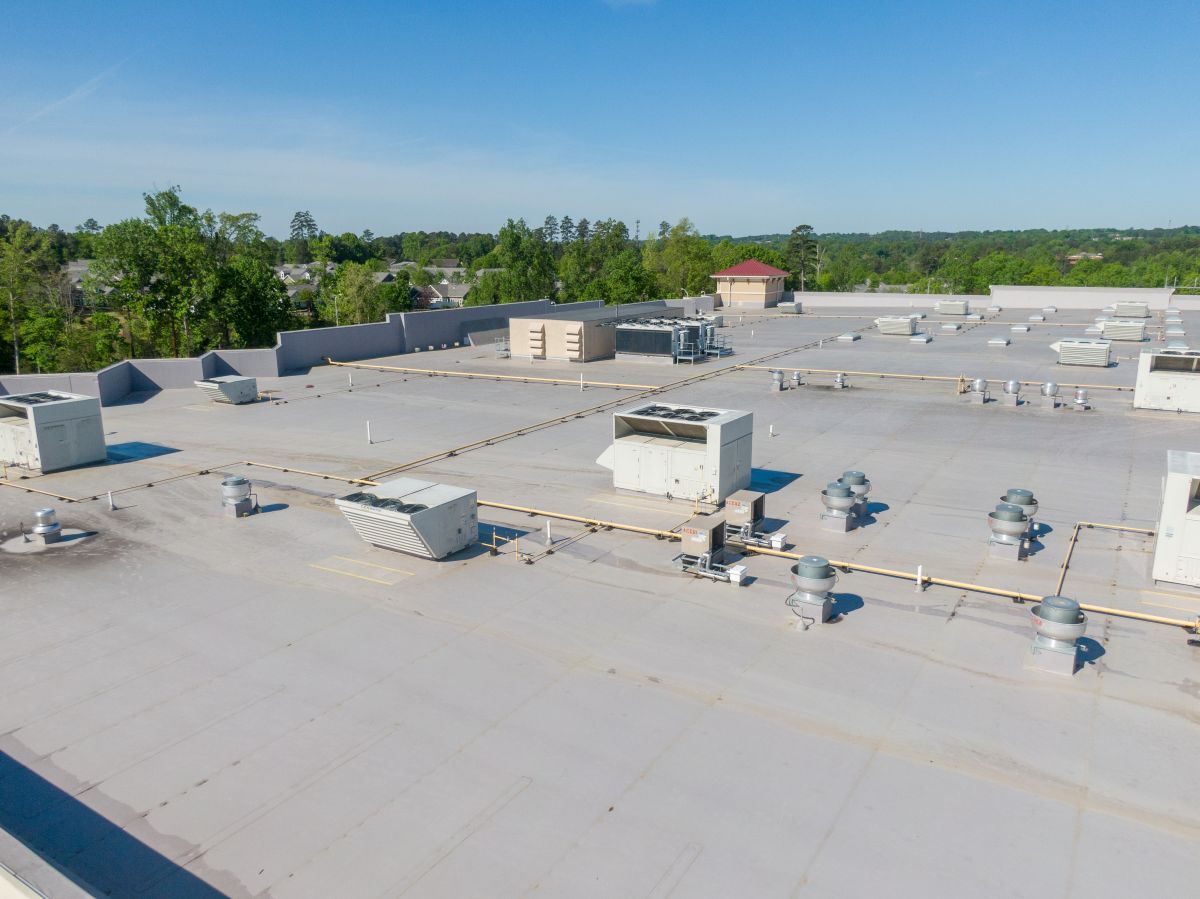
Understanding the fm global requirements for commercial roofing is essential for businesses aiming to protect their properties and investments against risks such as fire, wind damage, and other natural hazards. These guidelines, developed by FM Global, a leader in commercial property insurance and risk management, establish standards to ensure roofing systems deliver optimal performance and durability. By adhering to these requirements, property owners and facility managers can significantly reduce potential losses and enhance safety. For those interested in expert installation and maintenance aligned with these standards, exploring professional commercial roofing services can provide the necessary expertise and support.
- Discover why FM Global requirements are critical for commercial roofing.
- Learn the key FM Global standards that impact roofing design and installation.
- Explore practical steps to ensure compliance with these requirements.
- Understand how the right roofing solutions can meet FM Global’s stringent criteria.
- Find out how following these requirements benefits long-term building resilience.
Why FM Global Requirements Matter for Commercial Roofing
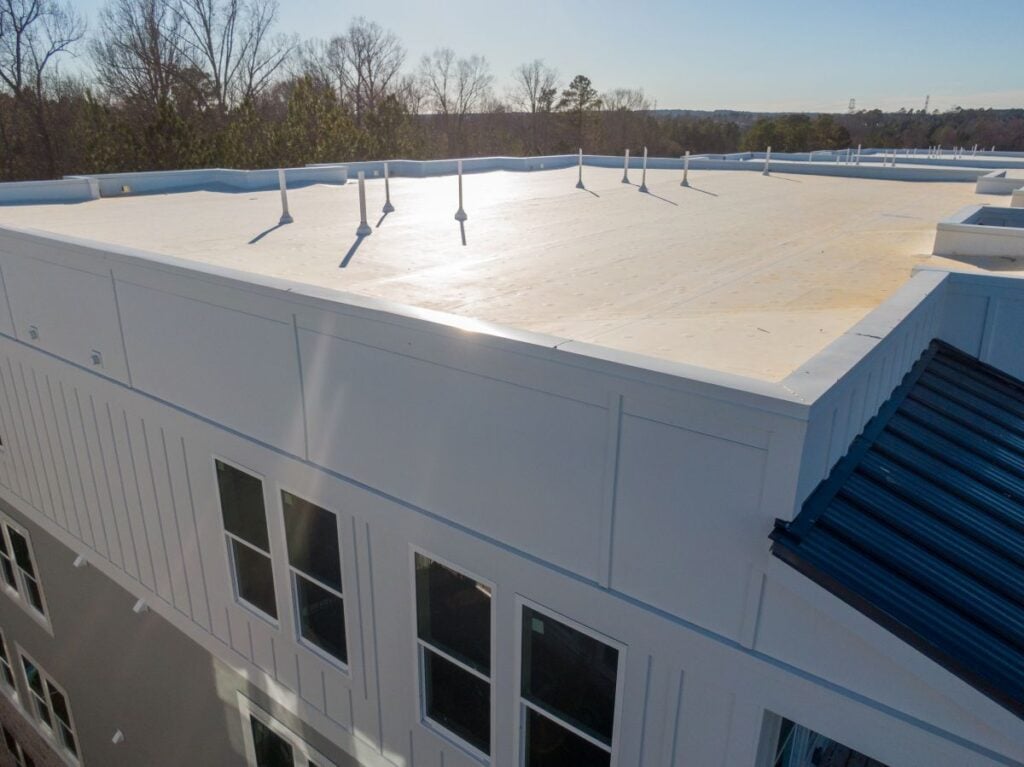
Commercial roofing systems must be reliable and resilient, given their vital role in protecting business assets. FM Global requirements guide the design and upkeep of roofing systems to meet high standards of risk mitigation. These rules are adopted by many insurers and property owners who demand robust protection against hazards common in industrial and commercial environments.
Integrating FM Global’s specifications into roofing projects offers several advantages:
- Reduced Insurance Costs: Complying with FM Global rules often results in lower premiums due to decreased risk.
- Enhanced Roof Longevity: Materials and installation methods recommended by FM Global increase the lifespan of roofing systems.
- Improved Risk Management: Strong roofing reduces the likelihood of costly damage from fire, water intrusion, and wind.
- Regulatory Alignment: Many local codes and building regulations incorporate or reference FM Global standards, facilitating approval processes.
- Increased Property Value: Buildings that meet these rigorous standards are viewed as safer investments by tenants and buyers.
4 Key Steps to Meeting FM Global Requirements for Roofing
Ensuring your commercial roof aligns with FM Global requirements involves understanding and implementing a series of best practices during the design, selection, and installation stages.
1. Selecting Approved Roofing Materials
FM Global maintains a list of approved roofing materials tested for durability, weather resistance, and fire performance. Choose products that comply with these standards to maximize roof effectiveness.
- Verify that roofing membranes, sealants, and insulation have FM Global approval.
- Opt for materials with proven resistance to hail, wind uplift, and thermal cycling.
- Consult FM Global’s documentation or trusted suppliers for compliant product options.
2. Designing for Wind Resistance
Wind uplift is a major cause of roofing failure in commercial buildings. FM Global outlines specific design criteria to ensure roofs can withstand local wind speeds and hurricane-force gusts.
- Calculate wind pressures according to FM Global’s data for your building’s location.
- Incorporate mechanical fasteners or adhesives in patterns that meet or exceed the prescribed attachment values.
- Consider the use of tapered insulation to reduce ponding and improve drainage, further protecting the roof structure.
3. Ensuring Fire Resistance
To limit fire damage risk, FM Global requires roofing systems that either resist ignition or retard flame spread depending on the building’s use.
- Select roofing assemblies tested to comply with FM Global’s fire rating requirements.
- Implement fire barriers or special coatings in high-risk areas.
- Maintain proper separation from sources of ignition on the roof.
4. Conducting Regular Maintenance and Inspections
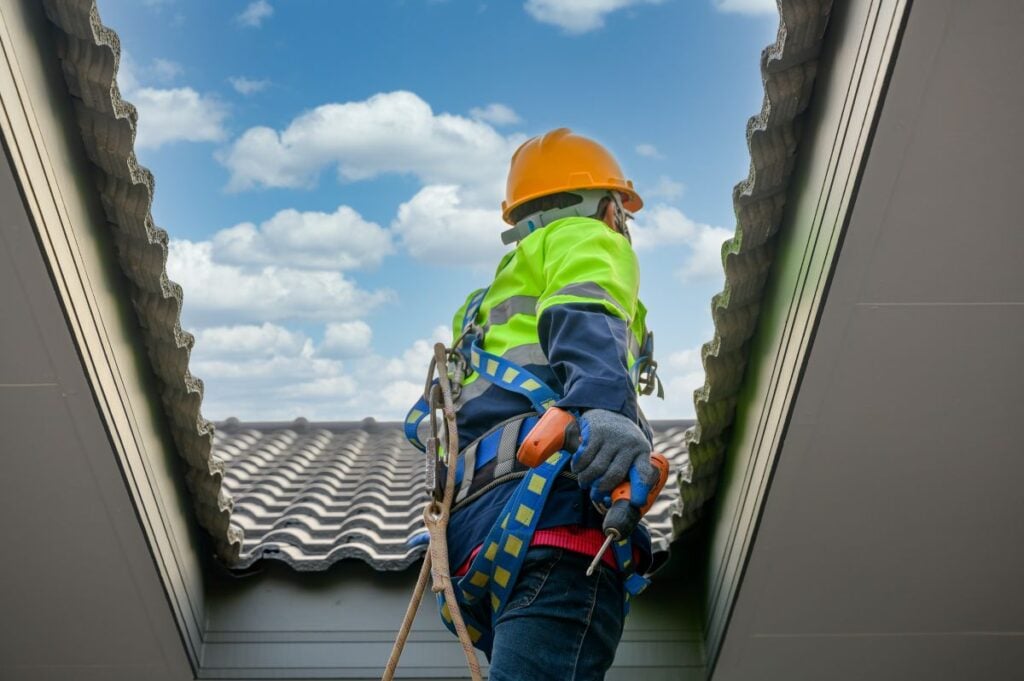
Meeting FM Global standards does not end at installation. Ridge-to-edge inspections and preventive maintenance are vital to preserving compliance and roofing integrity.
- Schedule routine inspections to identify and repair weaknesses like membrane cracks or sealant failures promptly.
- Maintain drains and gutters to prevent water ponding and structural damage.
- Keep detailed maintenance records as documentation for insurance and compliance reviews.
Enhancing Commercial Roof Resilience Beyond Standard FM Global Requirements
While FM Global standards provide a solid foundation for roof safety and performance, there are additional enhancements that property owners can adopt to improve resilience and energy efficiency.
- Green Roofing Systems: Incorporating vegetation layers can improve insulation, reduce stormwater runoff, and extend roof life.
- Solar Panel Integration: Installing solar panels with proper mounting systems designed for FM Global criteria can generate energy without compromising roof integrity.
- Advanced Coatings: Reflective or restorative coatings can protect roofing membranes from UV damage and thermal stress.
- Improved Drainage Design: Adding tapered insulation or secondary drainage channels prevents water accumulation and related structural issues.
Comparing Roofing Types and Their Compliance with FM Global Standards
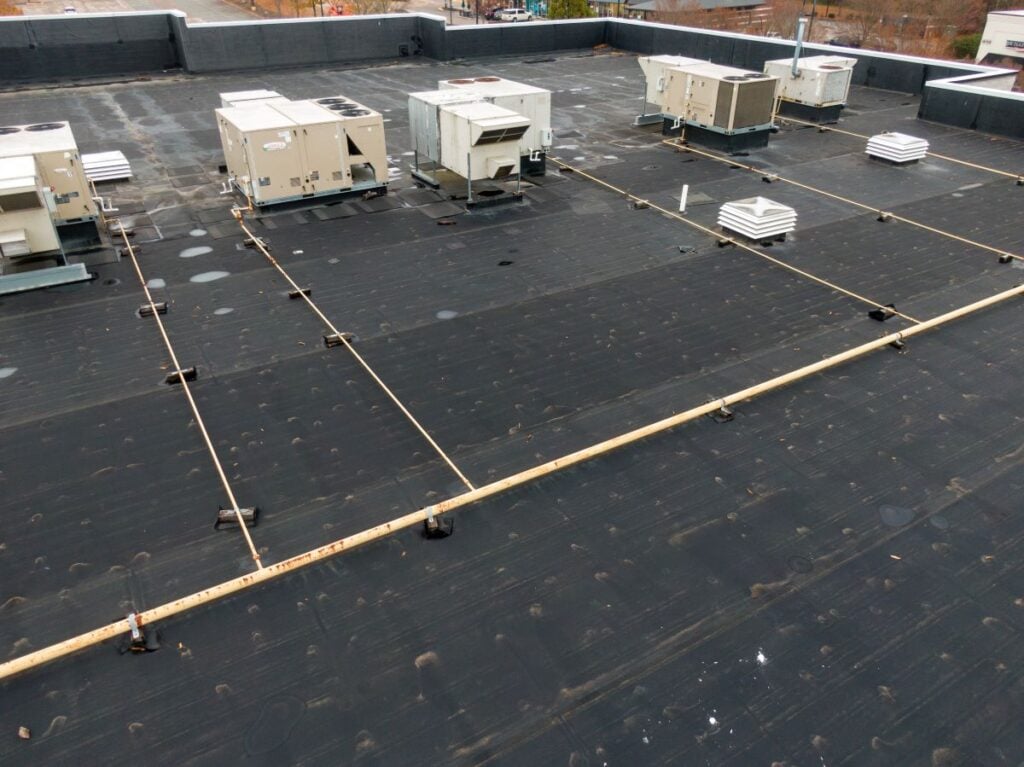
Choosing the optimal commercial roofing system involves balancing cost, durability, and FM Global compliance potential. The following table compares common roofing types against key FM Global criteria.
| Roof Type | Wind Resistance | Fire Performance | Maintenance Needs | Cost Considerations |
| Modified Bitumen | High; strong adhesion methods | Good; fire-resistant layers available | Moderate; periodic sealing required | Medium; balance of cost and durability |
| EPDM (Rubber Membrane) | Moderate; mechanical fastening essential | Fair; additives can improve fire resistance | Low; easy to repair | Low; cost-effective for many applications |
| Metal Roofing | Excellent; mechanically fastened panels | Excellent; non-combustible material | Low; durable and long-lasting | High; initial investment higher |
| Built-Up Roofing (BUR) | High; multiple layers with strong adhesion | Good; fire retardants incorporated | Moderate; periodic maintenance needed | Medium to high; depends on materials used |
This comparison assists facility managers in selecting roofing systems tailored to their risk profiles, budgets, and FM Global requirements.
Taking the Next Step Toward FM Global-Compliant Commercial Roofing
Adhering to FM Global requirements is a critical investment in your commercial property’s safety and sustainability. Whether constructing a new roof or upgrading an existing system, incorporating these standards boosts resilience and can yield long-term cost savings through insurance benefits and reduced damage risk.
For expert guidance and professional installation consistent with FM Global criteria, don’t hesitate to contact us today. Our commercial roofing specialists will work closely with you to design, implement, and maintain a roof that meets or exceeds the stringent demands of FM Global, protecting your investment in Oklahoma City and surrounding areas.
Related Articles