Minimum Slope for a Metal Roof (2026 Guide)
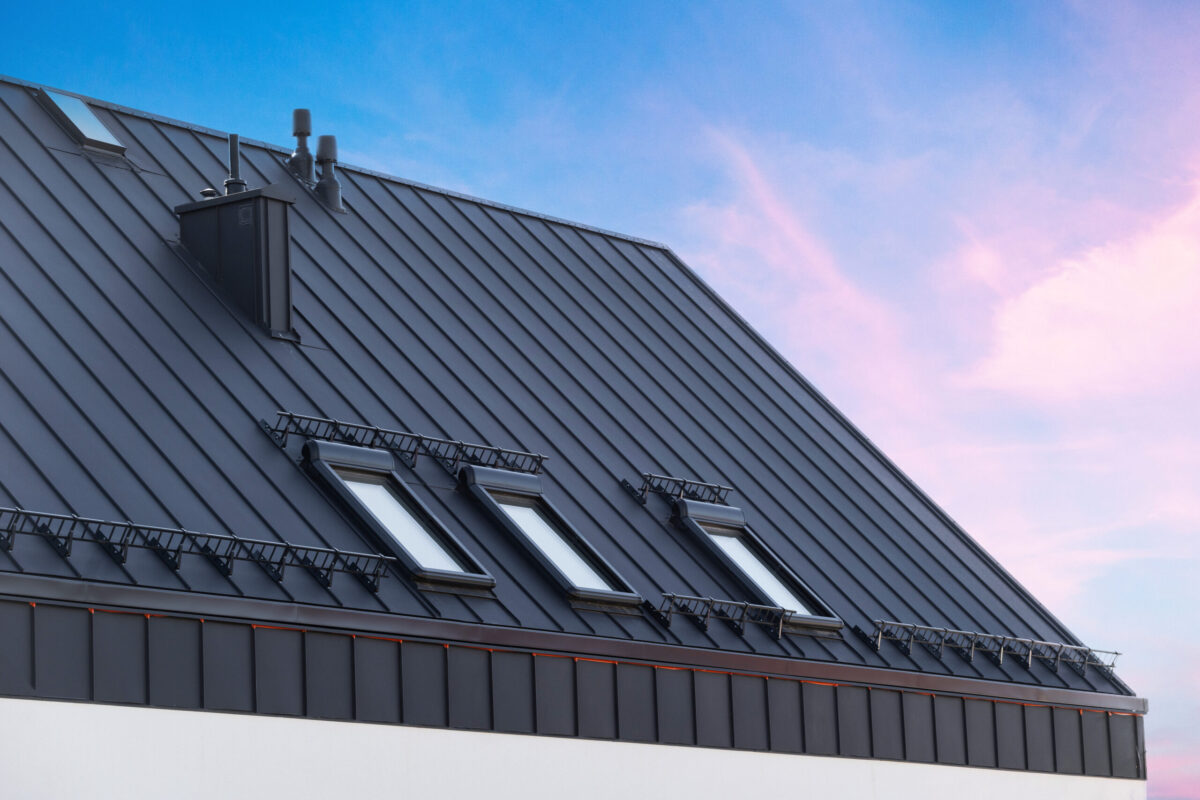
Metal roofing continues to be one of the most durable and efficient choices for Oklahoma homeowners—but achieving the right installation depends on one key factor: the minimum slope for a metal roof. The slope of your roof directly impacts water runoff, durability, and long-term performance. Without the proper angle, even a premium metal roof can face water pooling, leaks, or early wear. For property owners exploring design and installation options, learning how slope affects performance is essential. To explore durable roofing materials suited for Oklahoma’s climate, check out our custom roof options designed for both homes and businesses. If you’re looking for trusted metal roofing services in the area, our team proudly serves homeowners in Edmond with expert installation and assessments.
In this guide, you’ll learn:
- The minimum roof slope requirements for different types of metal roofing systems
- How slope impacts drainage, durability, and energy efficiency
- Which materials and installation methods perform best in Oklahoma weather
- How to identify the right roof design for your property
Why Roof Slope Matters in Metal Roofing
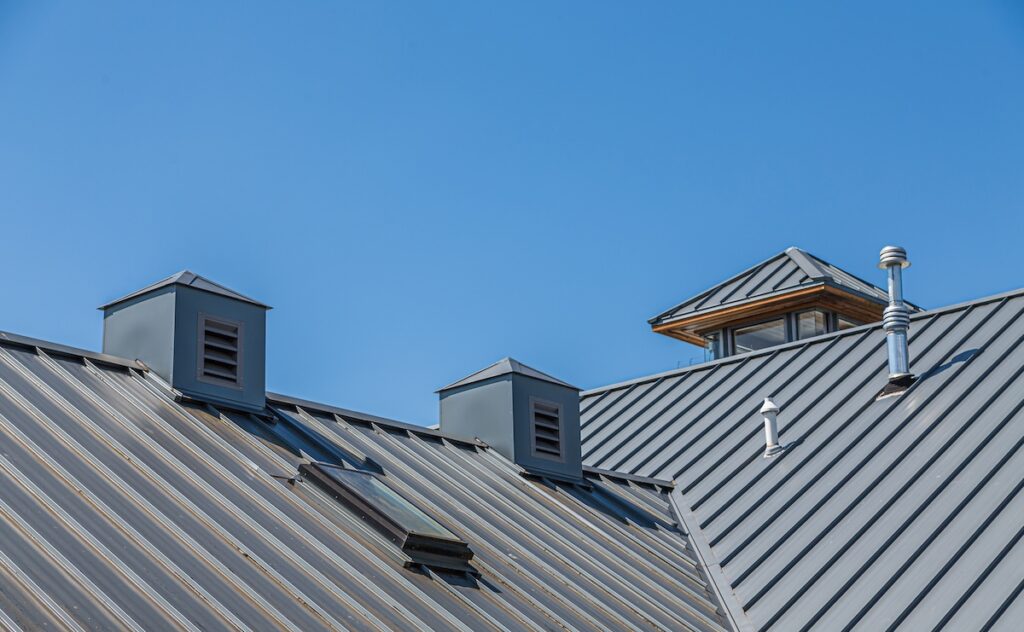
The slope of a roof determines how quickly rainwater, hail, and debris flow off the surface. Metal roofs can be installed on both steep and low-slope structures, but using the correct pitch ensures proper drainage and long-term reliability. This makes slope one of the most important design considerations in both residential and commercial roofing projects. If you’re located nearby, such as in Yukon, ensuring your roof’s slope meets local performance standards is essential for long-term durability.
- Prevents Water Accumulation: The right slope allows rainwater to flow off efficiently, preventing ponding and leaks.
- Improves Longevity: Proper drainage reduces corrosion and prevents premature material failure.
- Enhances Curb Appeal: Roof pitch impacts how visible and proportionate your home looks from the street.
- Optimizes Energy Efficiency: Correct slope angles improve ventilation and solar reflectivity.
- Ensures Warranty Compliance: Manufacturers often void warranties if roofs are installed below approved slope minimums.
In regions like Mustang, OK and surrounding areas—where storms and heavy rainfall are common—roof slope becomes even more crucial to long-term protection.
6 Key Steps to Determine and Maintain the Minimum Slope for a Metal Roof
Getting the right slope for a metal roof involves more than measuring angles. It requires understanding roofing materials, panel systems, and local weather conditions. Here are six steps to help you determine and maintain the ideal slope for performance and safety.
1. Understand How Roof Slope is Measured
Roof slope (or pitch) is typically measured as the ratio of vertical rise to horizontal run, expressed as “X in 12.” For example, a 3:12 slope means the roof rises 3 inches for every 12 inches of horizontal distance.
- Low-slope: 1/4:12 to 3:12
- Moderate-slope: 4:12 to 6:12
- Steep-slope: 7:12 or higher
Accurate slope measurement ensures your roof is built to manage Oklahoma’s heavy rains without compromising drainage or warranty standards.
2. Know the Minimum Slope Requirements by Metal Roofing Type
Different metal roofing systems require specific slopes to perform properly. The minimum slope often depends on whether the panels are mechanically seamed, snap-locked, or through-fastened.
| Metal Roofing Type | Minimum Slope | Description |
| Standing Seam (Mechanically Seamed) | 1/4:12 | Excellent for low-slope roofs; watertight seams protect against pooling water. |
| Standing Seam (Snap-Lock) | 3:12 | Works well for residential roofs with moderate slopes. |
| Corrugated Metal Panels | 3:12 | Common for barns, sheds, and homes; relies on overlapping seams for water shedding. |
| R-Panel or Exposed Fastener Systems | 1:12 to 3:12 (with sealant) | Suitable for larger buildings or industrial applications. |
| Following these guidelines ensures your roof can handle Oklahoma’s mix of intense sun, hail, and heavy downpours. |
3. Consider Local Weather Conditions
Mustang, OK and nearby cities experience significant temperature swings, wind, and hail. A low-slope roof must be carefully designed to manage these conditions without water pooling or sealant failure. If you live in an area affected by recurrent storms, such as Moore, working with a contractor experienced in storm-resistant roofing is vital.
- Choose corrosion-resistant metals like galvanized steel or aluminum.
- Use underlayment and sealants designed for high heat and UV exposure.
- Ensure proper drainage through gutters and scuppers.
Local weather should always influence material choice and slope design, especially for long-lasting protection.
4. Prioritize Proper Installation Techniques
Even the best metal roofing materials can fail if installed incorrectly. A professional roofer will ensure panels are properly aligned, fastened, and sealed for your roof’s specific slope.
- Panels should overlap correctly with watertight seams.
- Fasteners must be tightened evenly to prevent warping.
- Underlayment should extend beneath all joints and valleys for added protection.
At Palladium Roofing, we ensure every metal roof installation in Mustang and surrounding areas meets or exceeds manufacturer standards for slope and performance.
5. Maintain Your Roof Regularly
Routine maintenance is key to extending your roof’s lifespan. On low-slope roofs, debris and water tend to collect more easily.
- Clear gutters and downspouts twice a year.
- Inspect seams and fasteners after major storms.
- Reapply protective coatings as recommended by your installer.
- Check for rust spots or loose panels and repair them immediately.
Regular upkeep keeps your roof performing like new and ensures your slope continues to function as intended.
6. Consult a Professional Roofing Contractor
While DIY slope calculations are possible, only a certified roofing contractor can determine exact specifications based on structure and climate. A professional evaluation will ensure your roof’s design meets building codes, drainage requirements, and manufacturer warranties.
If you’re unsure whether your roof meets proper slope standards, schedule an inspection before replacing or adding metal roofing components.
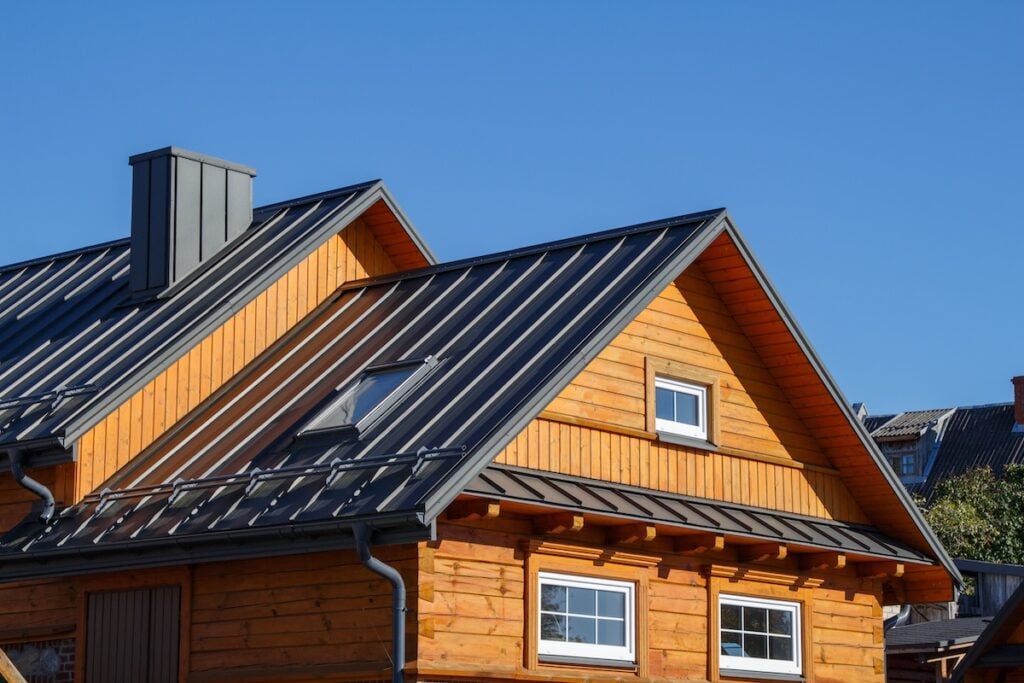
Comparing Low-Slope vs. Steep-Slope Metal Roofs
Not all metal roofs perform the same across slope types. Each has its benefits depending on architectural style, function, and environmental exposure.
| Roof Type | Ideal Slope Range | Best For | Advantages |
| Low-Slope Metal Roof | 1/4:12 to 3:12 | Commercial or modern residential buildings | Sleek appearance, lower material usage, easier access for maintenance |
| Steep-Slope Metal Roof | 4:12 and higher | Traditional residential homes | Faster water runoff, reduced pooling risk, more ventilation options |
| Both roof types can last over 40 years when installed correctly, but ensuring the right slope is the foundation of that longevity. |
Common Mistakes When Installing Metal Roofs with Low Slopes
Even a small miscalculation can lead to drainage issues or leaks. Avoid these frequent mistakes to ensure your roof performs well for decades. To learn how to prevent these issues further, read our guide on types of metal roofing.
- Ignoring Manufacturer Guidelines: Each metal panel system has a tested minimum slope; using the wrong one can void warranties.
- Inadequate Sealing or Overlaps: Improper seams or fastener spacing often cause water intrusion.
- Skipping Underlayment: Underlayment adds an essential moisture barrier for low-slope roofs.
- Neglecting Regular Inspections: Low slopes require more frequent inspections than steep roofs due to slower drainage.
Taking a proactive approach during installation and maintenance prevents small issues from becoming costly repairs.
Metal Roofing and Climate in Mustang, OK
For homeowners in Mustang, OK and surrounding areas, metal roofing offers unmatched strength against wind, hail, and temperature extremes. However, slope plays a vital role in how your roof handles this weather year after year.
Why Slope Design Matters Locally
- Stormwater Management: Proper slope prevents standing water after heavy thunderstorms.
- Hail Resistance: A slightly steeper slope helps deflect hailstones more effectively, reducing surface dents.
- Wind Resistance: Correct pitch and panel locking systems withstand Oklahoma’s high gusts.
Local Expertise You Can Trust
Working with a local contractor ensures your roof is designed for Oklahoma’s specific building codes and environmental demands. Palladium Roofing’s experts help homeowners select the best slope, materials, and installation techniques for lasting performance.
FAQs About the Minimum Slope for a Metal Roof
Oklahoma homeowners often have questions about metal roofing and slope requirements. Here are answers to the most common ones. The key is ensuring correct slope and installation for your specific property. For more metal roofing guidance, check out our detailed breakdown of metal roofing types.
What is the lowest slope allowed for a metal roof?
The minimum slope for most standing seam metal roofs is 1/4:12 when using mechanically seamed panels. Other systems, like corrugated metal, generally require 3:12 or greater for proper water drainage.
Can you install a metal roof on a flat surface?
Technically, yes—but it’s not recommended. Flat surfaces should have at least a slight slope or taper system installed to promote runoff and prevent water pooling.
How does roof slope affect warranties?
Most manufacturers require roofs to meet minimum slope requirements for warranty coverage. Installing below these minimums may void protection against leaks or corrosion.
Do low-slope metal roofs leak more often?
They can if not installed correctly. Proper sealing, flashing, and routine maintenance prevent most issues. Choosing experienced installers is key to long-term performance.
Is metal roofing good for Oklahoma weather?
Absolutely. Metal roofs are ideal for Oklahoma’s climate due to their wind resistance, impact strength, and energy efficiency. The key is ensuring correct slope and installation for your specific property.
Long-Term Benefits of Correct Roof Slope Design
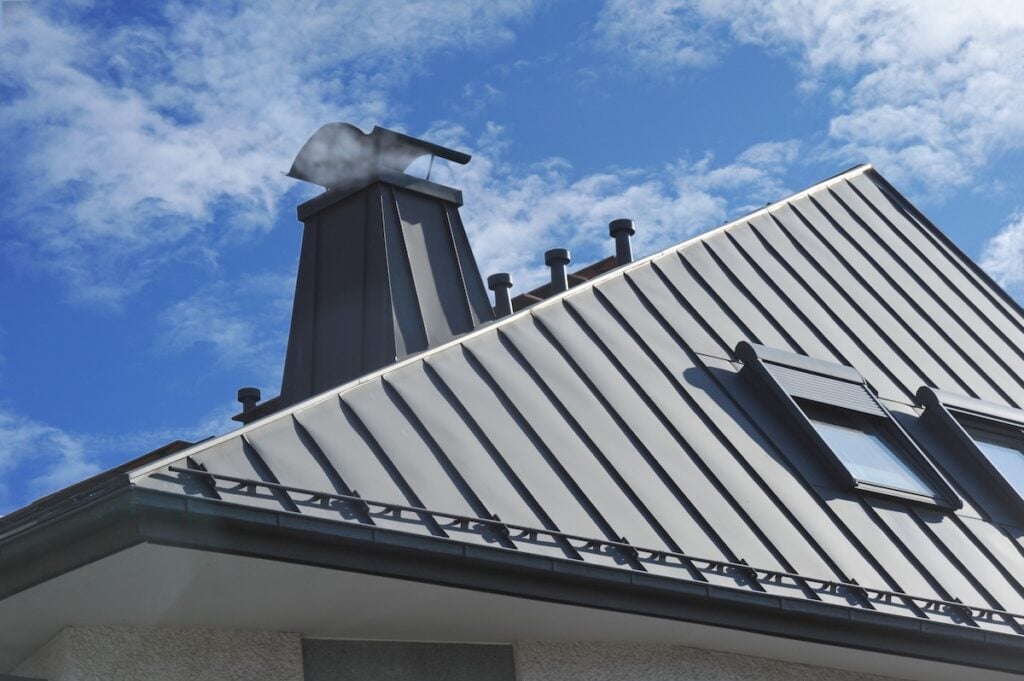
Getting slope right during installation pays off for decades.
- Extended Roof Life: Proper slope reduces corrosion, seam separation, and standing water.
- Better Energy Performance: Roofs reflect heat more efficiently when angled correctly.
- Stronger Structural Support: The right pitch helps distribute weight evenly across framing.
- Lower Maintenance Costs: Good drainage reduces wear on fasteners and panels.
- Improved Resale Value: Buyers recognize the lasting quality of a properly installed metal roof.
When paired with routine inspections and local expertise, a well-designed slope ensures lasting protection and value for your property.
Protect Your Home with Palladium Roofing
The minimum slope for a metal roof might seem like a small detail, but it’s one of the biggest factors affecting roof performance and lifespan. Whether you’re replacing an old system or building new, ensuring your roof meets proper slope standards will prevent leaks, extend durability, and protect your investment.
If you live in Mustang, OK and surrounding areas, Palladium Roofing is your trusted partner for expert metal roofing installation and inspection. Our certified team understands how to design, install, and maintain roofing systems that thrive in Oklahoma’s weather. To schedule a consultation or learn more about your options, contact us today and experience the difference that precision and quality make.
Related Articles