Roof Decking (Importance, Materials & More)
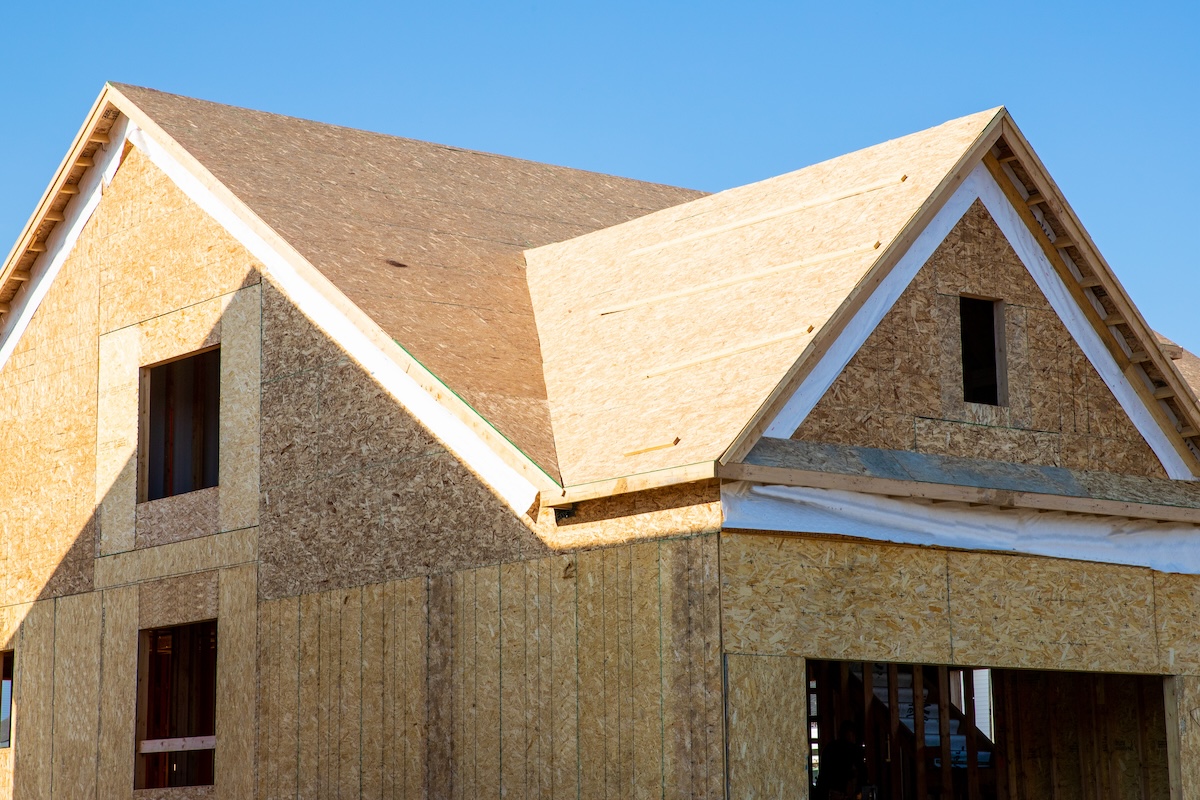
When it comes to constructing or repairing a roof, one critical component often overlooked by homeowners is roof decking. But make no mistake—roof decking plays a key role in the overall structural integrity and performance of your roof.
From its importance in supporting your roof to the materials ideal for Oklahoma’s unique climate, this blog will walk you through everything you need to know about roof decking. Here’s what we’ll cover:
- Why roof decking is important
- Common roof decking materials
- How to spot roof decking issues
🤔 Why Roof Decking is Important
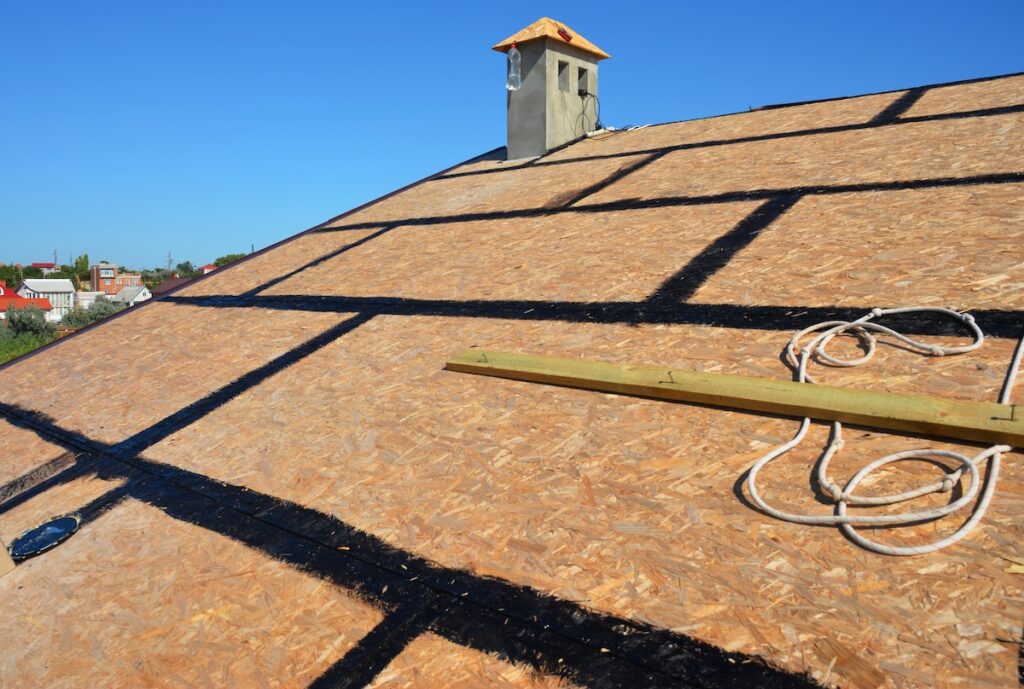
Roof decking, also known as roof sheathing, lies beneath the shingles and serves as the foundation of your roof. It’s a panel (usually made of wood, OSB, or plywood) that provides a solid base for the rest of your roof system. Without it, your roof wouldn’t be functional or safe to use.
5 Reasons Roof Decking is Essential
- Structural Support: Roof decking creates a strong base to securely hold shingles, tiles, or other roofing materials in place.
- Weather Resistance: Protects your home from high winds, heavy rainfall, and other harsh weather conditions.
- Foundation for Insulation: Provides a stable layer for insulation, improving energy efficiency and reducing heating and cooling costs.
- Durability: High-quality decking extends your roof’s lifespan, lowering maintenance and replacement expenses.
- Prevents Roof Leaks: Keeps water out when installed properly, safeguarding your home from costly water damage.
👉 4 Common Roof Decking Materials
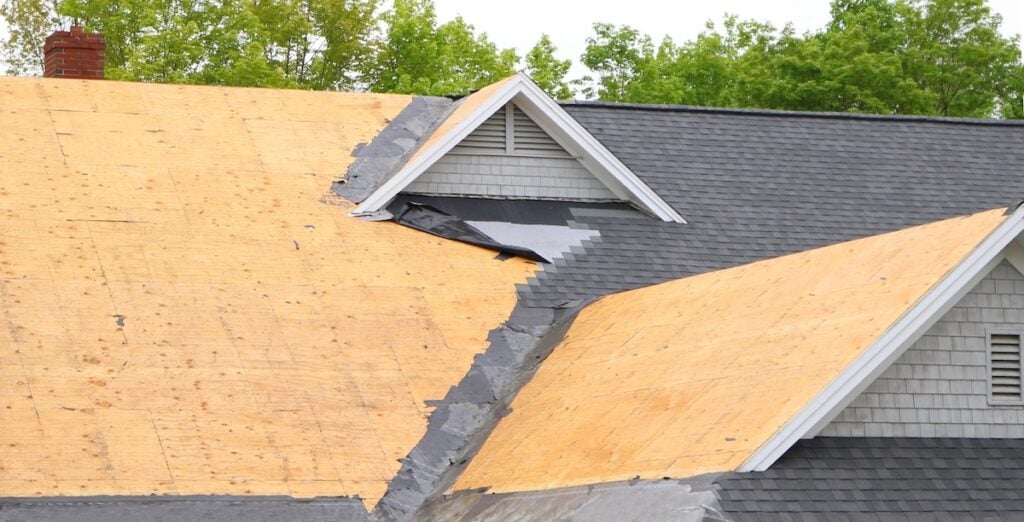
Roof decking comes in several types, each offering unique strengths depending on your budget, home structure, and local weather conditions.
1. Plywood
Plywood is a go-to roofing option for many homeowners because it’s versatile, durable, and affordable. It’s made from thin layers of wood veneer that are glued and pressed together in alternating grain directions. This cross-grain structure enhances its strength and reduces the risk of warping or cracking over time. Plywood provides a stable and solid base for roofing materials like shingles, making it a reliable option for a wide range of roofing projects. Additionally, its affordability compared to other materials makes it an attractive choice for budget-conscious homeowners who don’t want to compromise on quality.
2. OSB (Oriented Strand Board)
Oriented Strand Board (OSB) is another popular option that serves a similar purpose to plywood but comes at a lower price point. OSB is manufactured by compressing layers of wood strands with adhesive resin under high pressure. This process results in a dense, strong, and cost-effective material that performs well in modern roofing systems. OSB is lightweight compared to plywood, making it easier to handle and install. However, it is slightly less resistant to water damage, so proper sealing and care are important to ensure its longevity. For homeowners seeking a budget-friendly alternative without sacrificing performance, OSB is a smart choice.
3. Tongue-and-Groove Boards
Tongue-and-groove boards are a traditional roofing material often found in older homes or houses with unique architectural designs. These boards interlock along their edges, creating a tight, seamless fit that adds structural stability and a polished appearance. While tongue-and-groove wood decking can create a visually appealing aesthetic, it requires more maintenance than modern materials. It is prone to shrinking, expanding, or warping depending on environmental conditions, which can compromise the roof’s performance over time. Additionally, it may not be compatible with certain modern roofing systems. Despite these challenges, tongue-and-groove boards remain a charming option for homeowners looking to preserve a vintage or rustic style.
4. Metal Decking
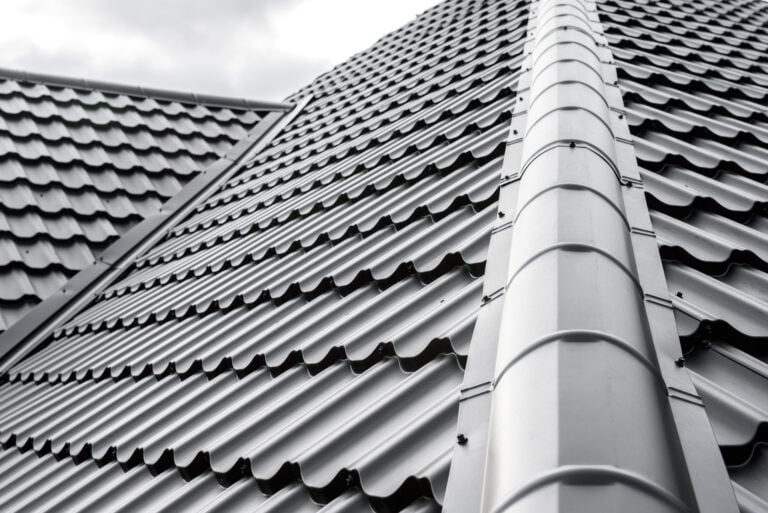
Metal decking is an increasingly popular choice for both residential and commercial roofing projects due to its exceptional durability and resistance to environmental factors. Made from galvanized steel or aluminum, metal decking provides a sturdy base that can withstand extreme weather conditions, including heavy rain, snow, and strong winds. It is also highly resistant to pests, rot, and fire, ensuring a long lifespan with minimal maintenance. Metal decking’s sleek, modern appearance makes it an appealing option for contemporary designs, adding a sophisticated touch to a building’s overall look. However, it typically comes with a higher price tag compared to wood-based materials, which may be a consideration for budget-conscious homeowners. Despite the cost, its longevity and low maintenance requirements make metal decking a valuable investment.
🔎 How to Spot Roof Decking Issues
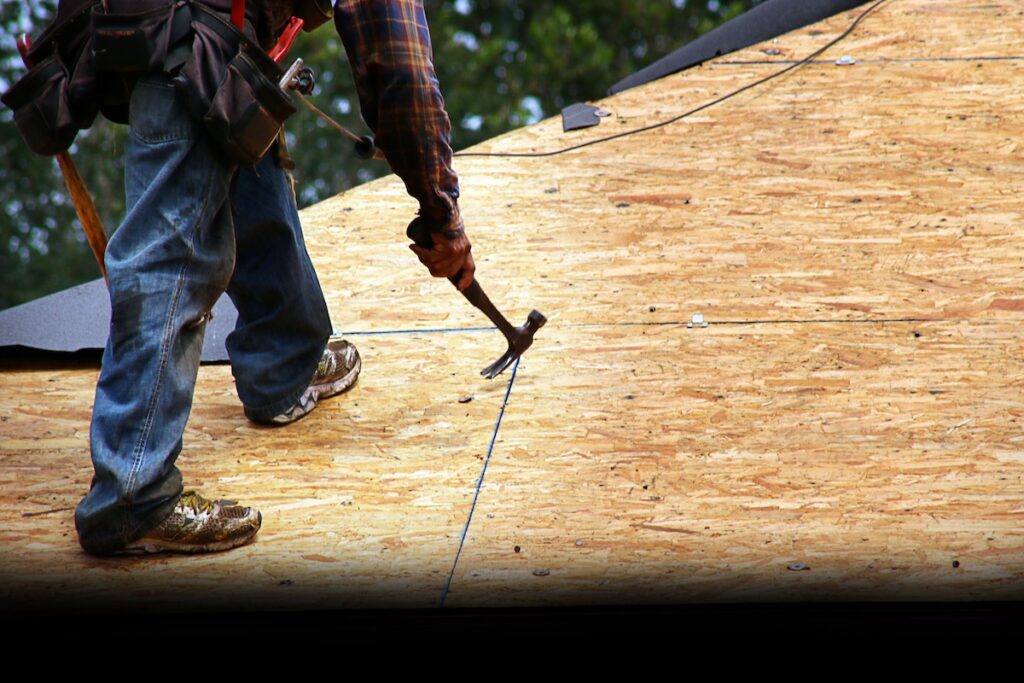
Unfortunately, roof decking isn’t immune to wear and tear. Recognizing the signs of an issue early can help you prevent bigger, more costly repairs down the line.
Sagging or Uneven Roof
If you notice parts of your roof that appear uneven or sagging, it’s often a sign of a serious issue. This can happen when the roof decking has deteriorated, often due to prolonged water damage. Over time, moisture can weaken the decking material, causing it to lose its structural integrity. If left unaddressed, this could lead to more extensive damage and even potential safety hazards. Have a professional inspect your roof as soon as possible to prevent further complications.
Water Stains on Ceilings
Wet spots, mold, or discoloration on your ceilings are clear indicators of a roof leak. These leaks often stem from compromised decking, which allows water to seep through. The water can travel through the roof’s layers and into your home, causing interior damage. Addressing this issue quickly is essential to prevent mold growth, which can lead to health concerns and expensive repairs.
Soft Spots on the Roof
When walking on your roof, it should feel solid and stable. If certain areas feel soft or spongy underfoot, this is a major red flag. Soft spots indicate that the decking beneath your shingles has been compromised, likely due to rot or water damage. Ignoring this problem can lead to further weakening of your roof, making it unsafe and more costly to fix later.
Visible Signs of Rot
Inspect the underside of your roof for dark, discolored, or warped wood. These are telltale signs of rot in your roof decking. Rot can spread quickly if moisture continues to infiltrate the area, weakening the structure further. Visible rot is often a sign that the damage has been present for an extended period, so it’s crucial to act swiftly to repair or replace the affected decking.
If you notice any of these signs, don’t delay. Acting quickly can minimize further damage and save you money in the long run. Schedule a professional roofing inspection to accurately diagnose and address any issues with your roof decking.
🏠 Roof Decking Essentials
When it comes to roof decking, Palladium Roofing is the team you can trust to protect your home and family. With our unmatched expertise, premium materials, and dedication to honest communication, we ensure every project is done right the first time. Whether you need a minor repair or a full roof replacement, we’re here to provide reliable, tailored solutions designed for Oklahoma’s unique weather conditions.
Ready to get started? Contact Palladium Roofing today for a complimentary inspection and experience the difference of working with a team that puts your needs first!
Related Articles