Learn How To Patch a Leaking Roof In 6 Steps (Homeowners Guide)
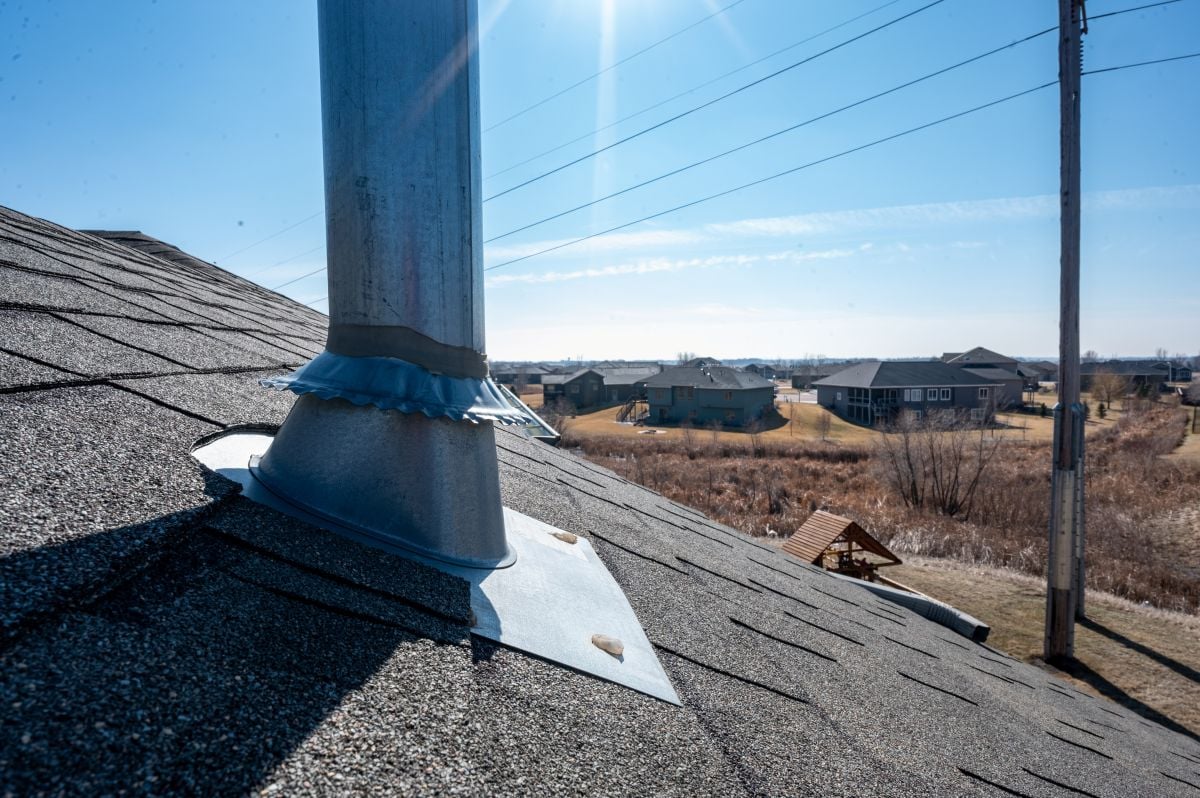
A leaking roof doesn’t just cause water stains on your ceiling—it can damage insulation, ruin drywall, and lead to dangerous mold growth. Acting quickly when you notice signs of a leak can save you from major repairs down the road. In some cases, knowing how to perform a basic roof patch could prevent further damage until professionals arrive.
For homeowners in Midwest City, OK and surrounding areas, staying ahead of roof leaks is especially important due to our intense storm seasons, hail, and fluctuating temperatures. Whether you’re dealing with a small puncture or missing shingles, a temporary roof fix can make a real difference in minimizing moisture damage. If you’re unsure how your roofing material handles patching, it’s worth reviewing other roofing systems to understand your long-term options.
In this guide, you’ll learn:
- Why quick roof patching matters in Oklahoma’s climate
- What tools and materials you need to patch a roof leak
- 6 step-by-step instructions for patching a leak properly
- When to patch yourself vs call a professional
- Local guidance for Midwest City roof repairs and what to expect
Why It’s Critical to Patch Roof Leaks Quickly
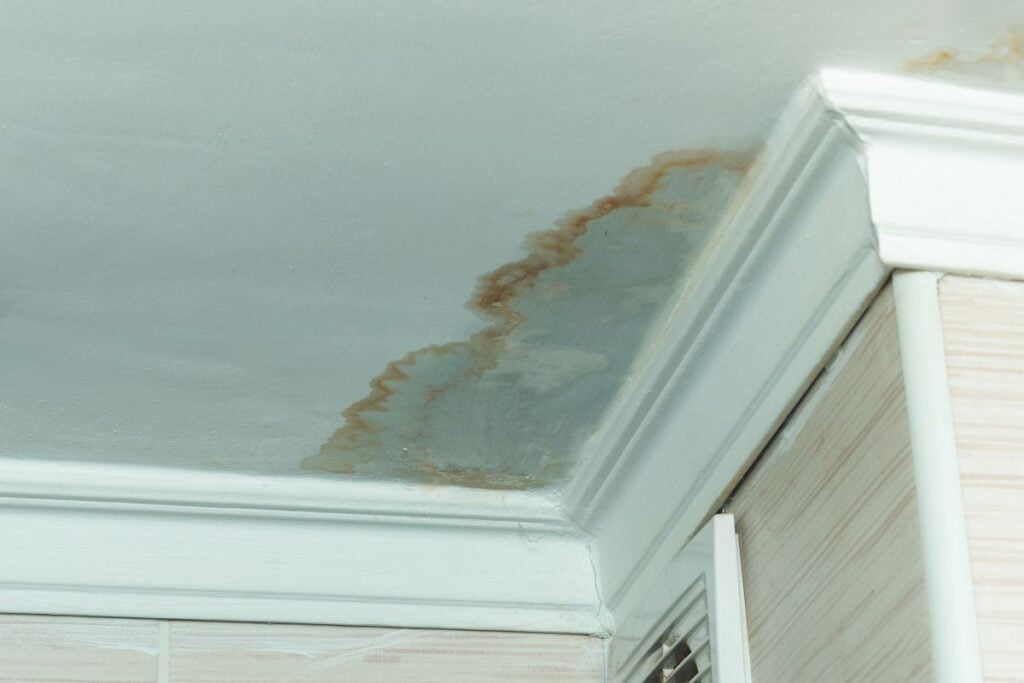
Even small roof leaks can escalate fast. Water intrusion doesn’t just stay in one spot—it moves through insulation, wood framing, and electrical systems. Here’s why taking action matters.
- Prevent interior damage: A leak can lead to ceiling stains, wet insulation, and damage to walls, floors, or furniture if left unaddressed.
- Avoid mold growth: Mold can begin forming in as little as 24 to 48 hours in a moist environment, especially in Oklahoma’s humid seasons.
- Protect structural integrity: Persistent leaks can rot roof decking, trusses, and framing, which compromises the overall safety of your home.
- Save on repair costs: Patching early is always cheaper than replacing damaged materials or fixing long-term moisture issues.
- Weather-proof your home: In areas like Midwest City, unexpected rainstorms and high winds can quickly worsen an unpatched leak.
6 Steps to Patch a Leaking Roof Safely and Effectively
Always put safety first. If the roof is steep or slick from rain, don’t attempt a repair on your own. When safe, follow these steps to apply a temporary or semi-permanent patch.
1. Locate the Source of the Leak
Leaks are often hard to pinpoint because water travels along beams before dripping. Start by inspecting your attic for signs of moisture.
- Look for damp insulation or stained wood
- Check where pipes or vents penetrate the roof
- Use a flashlight to trace the leak path upward
Once you’ve located the general area, examine the exterior from the roof if it’s safe.
2. Clean and Clear the Damaged Area
Use a broom or rag to remove leaves, dirt, or debris. A clean surface allows patching materials to adhere properly.
- Gently lift surrounding shingles if they’re loose or damaged
- Dry the area as much as possible before patching
- Use roofing cleaner if there’s algae or residue
3. Apply Roof Leak Sealant or Roofing Cement
For small holes, punctures, or lifted shingles, roofing cement or roof patch sealant can offer a short-term waterproof solution.
- Use a trowel or caulking gun to apply a thick layer of sealant
- Cover the entire damaged area, overlapping the edges
- Press down any lifted shingles and secure with additional adhesive
4. Install a Patch Material (for Larger Holes)
If the hole is larger than a few inches, use flashing or roofing fabric in combination with sealant.
- Cut a piece of metal flashing or mesh to size
- Embed it into the cement layer
- Apply another layer of cement over the patch to fully seal it
This method provides stronger, longer-lasting protection until a full roof repair can be scheduled.
5. Replace Shingles if Needed
If you have matching shingles, replacing the damaged ones can restore protection.
- Slide the new shingle into place under the row above
- Nail it down with roofing nails, then cover the nail heads with cement
- Seal the edges to prevent future wind damage
6. Monitor Roof Patch for Leaking Signs
Once patched, monitor the area during the next rainstorm. Check your attic or ceilings for signs of new leaks.
- Reapply sealant if you notice cracking or movement
- Schedule a professional inspection to ensure the roof is sound
- Keep an eye on surrounding shingles for signs of wear
Add-On Products That Improve Patching Results
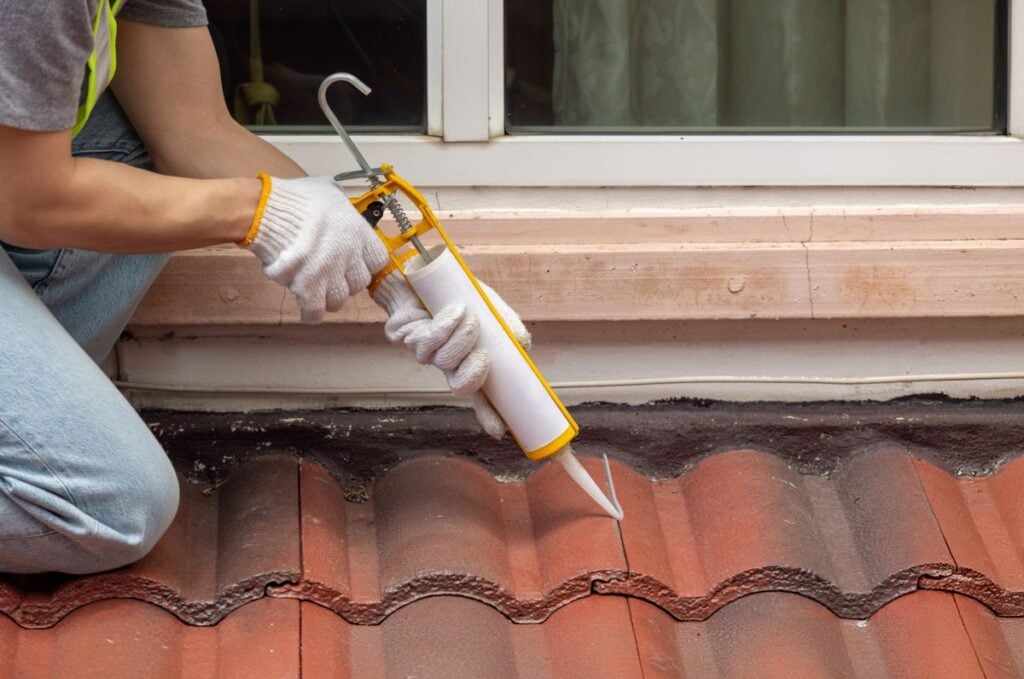
Want a patch that holds better and lasts longer? These products and upgrades can help extend the life of a DIY repair.
- Butyl tape: A self-sealing waterproof tape that works well under shingles and around flashing
- Roofing mesh fabric: Reinforces cement patches and resists cracking
- Elastomeric sealants: Stay flexible in extreme temperatures and offer UV resistance
- Roof patch kits: Available at most hardware stores and include cement, fabric, and application tools
- Silicone roof coating: A high-performance option for flat roofs or larger patched areas
These tools can make a big difference if you’re handling emergency roof repair or planning a more durable solution.
DIY Patch vs Professional Roof Repair: What’s Best?
While patching can be helpful, not every leak should be handled alone. Here’s how to decide when to call a pro.
| Situation | DIY Patch | Hire a Pro |
| Small hole or crack | ✅ | |
| Missing shingles | ✅ | ✅ |
| Water leaking inside attic | ✅ | |
| Sagging roof or visible rot | ✅ | |
| Multiple leaks or storm damage | ✅ | |
| Steep or slippery roof | ✅ |
Patching works best as a short-term solution. Long-term protection comes from professional installation and proper flashing, underlayment, and ventilation.
Roof Repair Services in Midwest City, OK
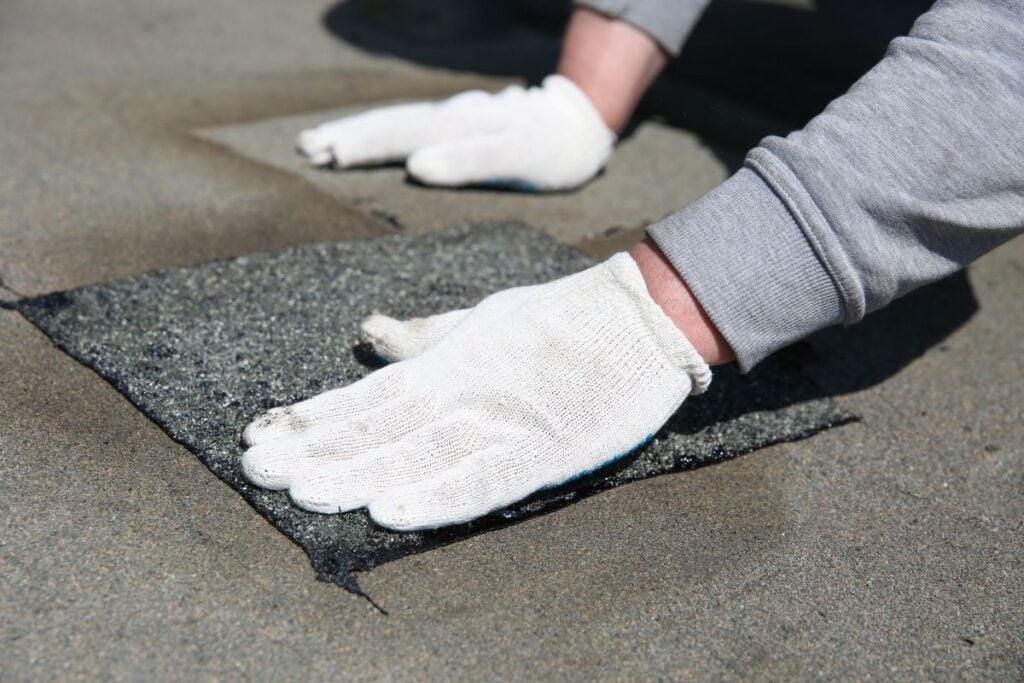
Living in Midwest City, OK means dealing with storm season, hail, and high winds nearly every year. That puts extra pressure on your roof—and increases the risk of developing leaks.
Homeowners in the area often see leaks form after:
- Spring hailstorms that crack or displace shingles
- High summer heat that causes expansion and contraction
- Improperly installed flashing or roof vents
- Wind uplift around roof edges or near valleys
If you’re unsure whether a patch is enough, schedule a roof inspection with a local contractor. Many leaks are signs of larger wear-and-tear or aging materials that may require replacement sections or a full roof upgrade.
Local FAQs: Roof Leaks in Oklahoma Homes
Here are the most common questions we get in regards to roof leaks for OK homes.
Can I use tar to patch a roof?
Yes, but use it only for temporary repairs. Roofing tar can crack in extreme heat and doesn’t last long in Oklahoma’s changing climate. Elastomeric or silicone products are more flexible and longer-lasting.
How long will a roof patch last?
Most DIY patches are short-term, lasting a few months to a year. High-quality roof leak sealants and professional installation can extend the life of a patch to several years—but it’s never a full replacement for proper roofing.
Should I patch a roof from the inside or outside?
Outside patching is more effective. Patching from inside the attic may slow down the leak but won’t stop water from entering roofing layers and causing rot.
Are roof leaks covered by insurance?
If caused by a storm or sudden event, yes. If the leak resulted from neglect, aging materials, or poor maintenance, it may not be covered. Always document damage with photos and contact your provider quickly.
Can I patch a roof during winter?
Yes, but results may vary. Cold temperatures can affect adhesion and flexibility of patching materials. Try to patch during a dry, above-freezing day or call a professional for cold-weather emergency roof repair.
Final Thoughts & Next Steps
Understanding how to complete a temporary roof patch can help minimize damage in the short term—but it’s not a long-term solution. Quick patches are most effective when paired with follow-up inspections and repairs to address the root cause of the leak.
For homeowners in Midwest City, OK and surrounding areas, Palladium Roofing is here to help. Our team offers fast inspections, trusted roof leak repair services, and full replacements when necessary. Whether your leak is from hail damage, aging shingles, or poor flashing, we’ll get to the bottom of it and make sure your home is protected.
If your roof is leaking or you’ve already applied a patch, contact us today to schedule an inspection or repair service with Palladium Roofing.
Related Articles