Roof Types: Choosing the Best One for Your Home
Selecting the right roof for your home is one of the most important decisions you’ll make as a homeowner. Your roof is your first line of defense against the elements and plays a crucial role in your home’s energy efficiency and curb appeal. With so many roof types available, it can be a challenge to decide which one best suits your needs.
This guide will walk you through the most popular roof types and provides insights into their benefits and features. Here’s what you’ll learn:
- Why roof type matters
- 7 types of roofs
- Factors to consider
🤔 Why Roof Type Matters
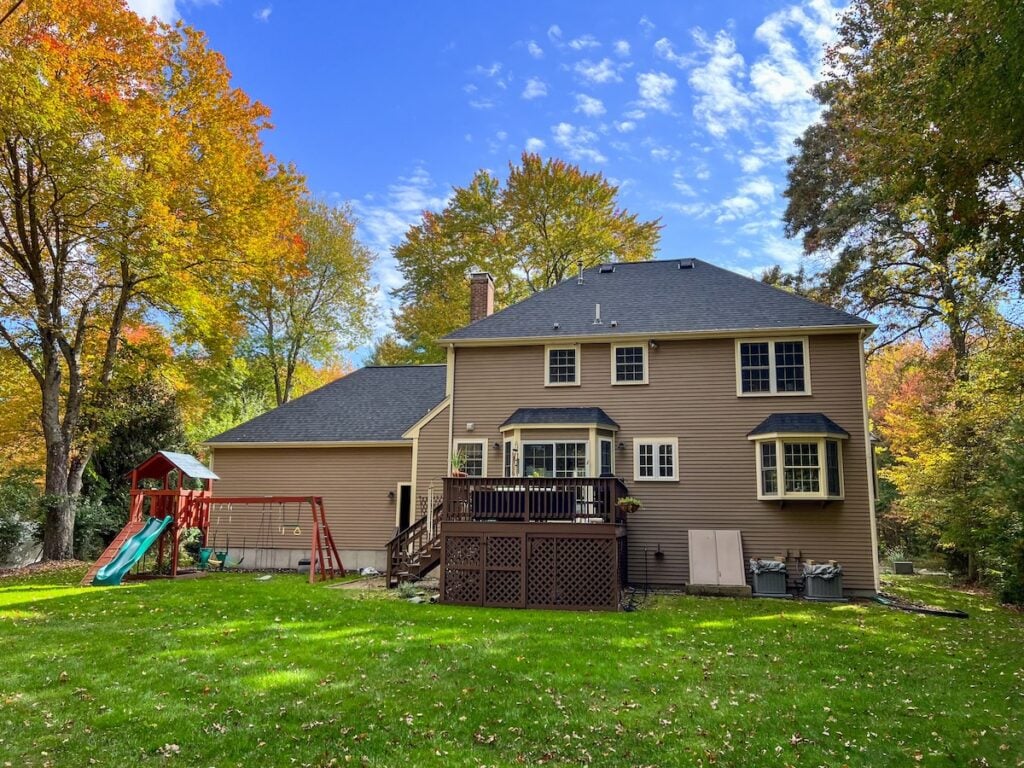
Selecting the right roof type is more than just a design choice—it plays a critical role in your home’s overall performance, longevity, and energy efficiency. Your roof is your first line of defense against the elements, so the style and material you choose can significantly impact your home’s functionality and value. Here’s how the roof type you select can make a difference:
- Weather Protection: Certain roof types are better suited for specific climates. For instance, sloped roofs are ideal for areas with heavy rain or snow, while flat roofs may be more practical in dry, urban environments.
- Maintenance Requirements: The roof type affects how much upkeep is needed. Complex roof styles with multiple angles may require more frequent inspections and repairs compared to simpler designs.
- Energy Efficiency: Some roofs, like those with reflective coatings or green roofing systems, can reduce energy consumption by keeping your home cooler in summer and warmer in winter.
- Durability: The material and style you choose affect how long your roof lasts. For example, metal roofs often outlast asphalt shingles, while tile roofs can withstand severe weather.
- Interior Space: Certain roof styles, like gable or gambrel roofs, allow for more attic or loft space, which can be used for storage or as additional living space.
- Aesthetic Appeal: Your roof is a significant visual element of your home’s exterior. The right style can enhance your home’s curb appeal and complement its architectural design.
- Cost Considerations: Some roof types are more expensive upfront but save money in the long term due to lower maintenance costs and longer lifespans.
🔎 7 Types of Roofs (With Pros and Cons)
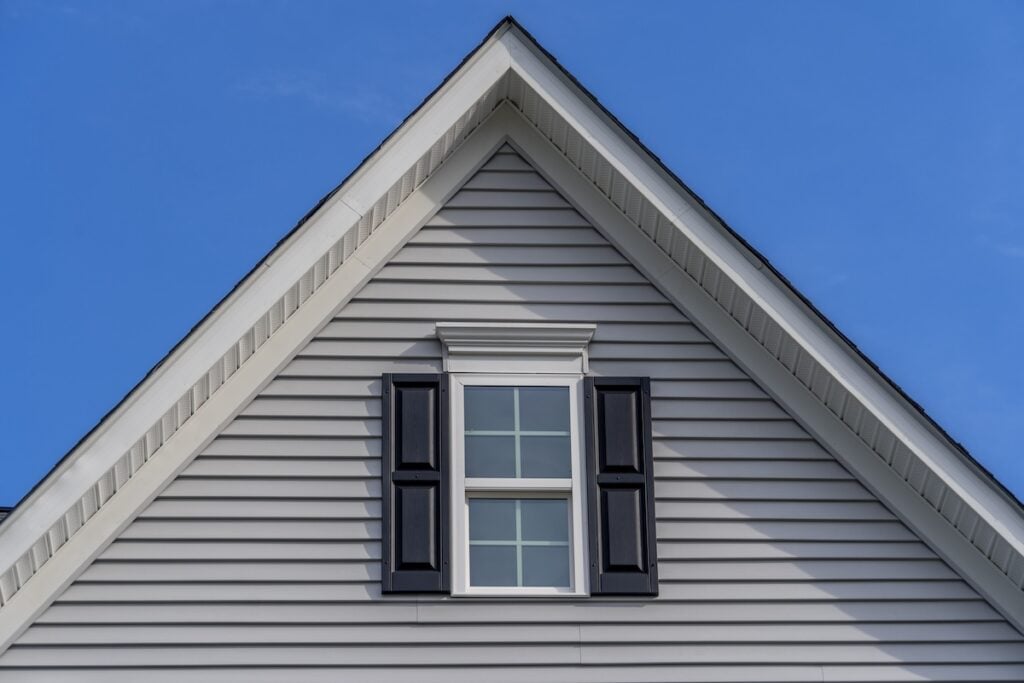
Below, we’ve outlined the 7 most common roof types and their advantages and disadvantages to help you make an informed decision:
1. Gable Roof
The gable roof is a classic, simple design that helps reduce construction costs, making it a popular choice for many homeowners. Its triangular shape is highly effective at shedding rain and snow, which helps prevent water buildup and structural damage. Additionally, this roof type blends well with a wide range of architectural styles, offering versatility. However, gable roofs can be vulnerable to wind damage if they are not properly braced, which may lead to issues in areas prone to strong winds.
2. Hip Roof
Hip roofs are known for their stability and durability, especially in high-wind environments. This is because all sides of the roof slope downward, creating a sturdy design. Another benefit of hip roofs is their consistent eave protection on all sides, which helps protect the structure from water and weather damage. On the downside, the complexity of their construction makes them more expensive to build compared to simpler roof types, which can be a drawback for homeowners on a tight budget.
3. Flat Roof
Flat roofs are often chosen for their simplicity and cost-effectiveness. They are easier and less expensive to construct than sloped roof designs, making them a practical option for budget-conscious homeowners. Flat roofs are also ideal for adding functional features like rooftop gardens or solar panels, maximizing the use of space. However, they are prone to drainage issues since water does not flow off the surface as easily, requiring regular maintenance to prevent leaks and damage.
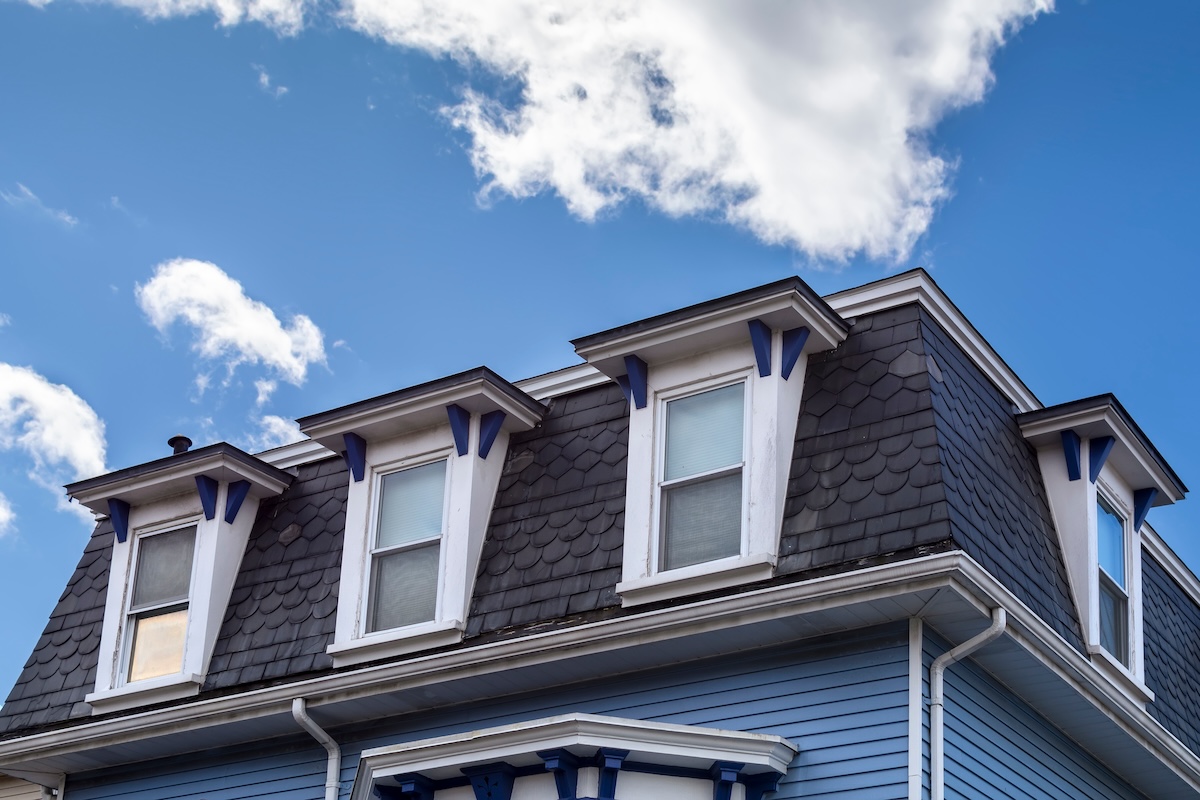
4. Mansard Roof
The mansard roof offers the advantage of creating additional storage or living space in the attic, thanks to its dual-sloped design. Its elegant, sophisticated aesthetic can add significant value to a home, making it a desirable choice for those looking to boost curb appeal. However, mansard roofs are costly to construct due to their intricate design, and they also require more maintenance over time, which can be a financial consideration for homeowners.
5. Shed Roof
Shed roofs are a great option for modern homes, offering a sleek, minimalist appearance that aligns with contemporary design trends. They are also excellent for allowing natural light into the home through skylights, creating bright and inviting interiors. However, this roof style may not be suitable for larger homes, as the single slope might not provide adequate coverage or structural support for expansive spaces.
6. Gambrel Roof
Gambrel roofs are designed to provide maximum storage or living space in the attic, making them a practical choice for barns or homes with a need for extra interior room. Their steep slopes also allow for efficient water drainage, reducing the risk of leaks. However, gambrel roofs are not ideal for areas that experience heavy snowfall or strong winds, as their design can make them less stable under such conditions.
7. Butterfly Roof
The butterfly roof stands out for its striking, modern appearance, making it a unique choice for architectural enthusiasts. It is also highly functional, as its inward-sloping design is excellent for rainwater harvesting, which can be a sustainable benefit. However, the complex design of the butterfly roof increases construction and maintenance costs, which may not suit every homeowner’s budget.
👉 Factors to Consider When Choosing a Roof
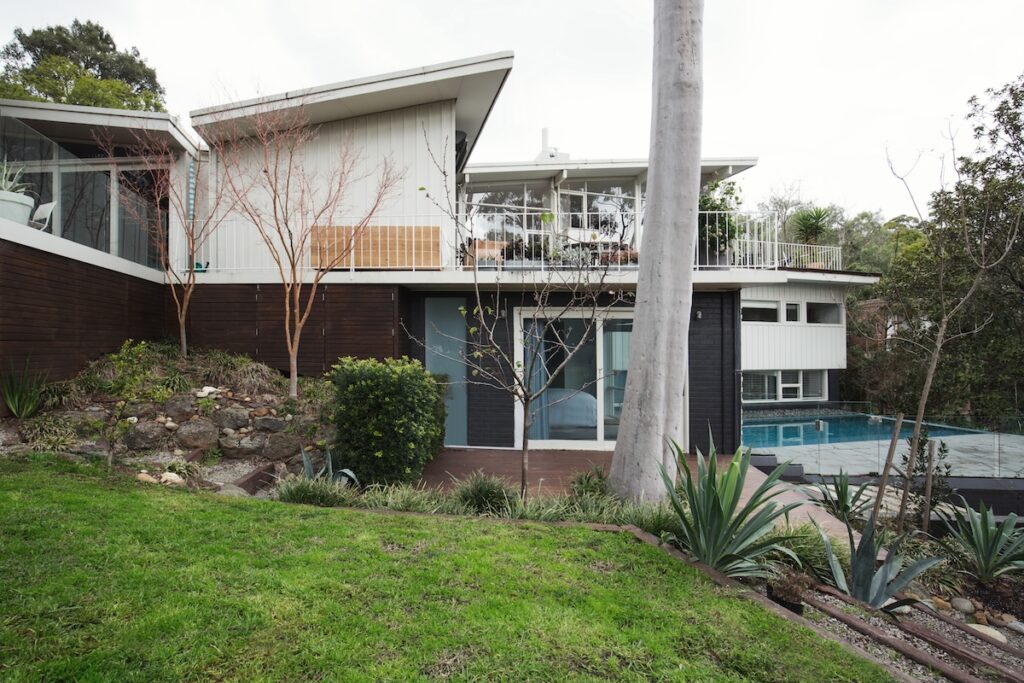
In addition to these common roof types, homeowners may also consider specialized options such as a porch roof, which enhances outdoor living spaces while blending with the home’s overall design. Choosing the right roof for your home involves more than just picking a design you like. Here are some of the most important factors to weigh:
1. Durability
The lifespan of a roof significantly depends on the type of material used. Metal roofs are known for their exceptional durability, often lasting over 50 years with minimal maintenance. They are resistant to harsh weather conditions, including heavy rain, snow, and high winds. Meanwhile, asphalt shingles, a popular and affordable option, typically last around 20-30 years but may require periodic repairs or replacements due to wear and tear. Other materials, like clay tiles and slate, can last even longer—up to 100 years—but come with higher upfront costs. Understanding the durability of each material allows homeowners to make a long-term investment decision that suits their needs.
2. Cost
Budget is often one of the most significant factors when choosing a roof type. Gable roofs, known for their simple design, are usually more cost-effective and easier to construct, making them an excellent choice for those looking to save on construction expenses. On the other hand, complex roof designs such as mansard or butterfly roofs tend to be more expensive due to their intricate structures and the added labor required. Materials also play a role in cost—metal and clay tiles are pricier than asphalt shingles but tend to last longer, potentially saving money in the long run. Planning your budget carefully can help you strike the right balance between affordability and quality.
3. Climate
The climate in your region is a crucial factor in determining the most suitable roof type. In areas with heavy rainfall or snowfall, sloped roofs like gable or hip roofs are ideal, as they allow water and snow to slide off easily, reducing the risk of leaks. Flat roofs, while modern in appearance, are less effective in wet climates unless proper drainage systems are installed. For regions prone to strong winds, hip roofs are particularly effective due to their aerodynamic design, which reduces wind resistance. Hot and sunny climates benefit from roofs with reflective materials or lighter colors that help reduce heat absorption. Considering your local weather conditions ensures your roof can withstand the elements.
4. Energy Efficiency
A roof significantly impacts the energy efficiency of your home. Materials like metal, which reflect sunlight, and lighter-colored shingles are excellent for reducing heat absorption, making them ideal for homes in warmer climates. Green roofs, which incorporate vegetation, offer superior insulation and can help regulate indoor temperatures while promoting environmental sustainability. Additionally, some roofing systems are designed to accommodate solar panels, further boosting your energy efficiency. Choosing a roof that enhances insulation and regulates heat transfer can lead to lower energy bills and a more environmentally friendly home.
5. Aesthetic Appeal
Your roof plays a major role in your home’s overall look, so aesthetics are an important consideration. Different roof styles complement different architectural designs. For example, a gambrel roof, with its barn-like shape, is a perfect fit for rustic or traditional homes but may look out of place on a sleek, modern property. Flat roofs are a staple of contemporary architecture, offering a minimalist and clean appearance that pairs well with modern design elements. Mansard roofs, with their French-inspired elegance, add a touch of sophistication to historic or luxurious homes. Carefully selecting a roof that aligns with your home’s style ensures a cohesive and visually appealing exterior.
🏡 Roof Selection Guide
When it comes to choosing the right roof for your home, you need a team you can trust to provide expert guidance and quality craftsmanship. At Palladium Roofing, we combine years of experience, top-tier materials, and a commitment to customer satisfaction to ensure your roofing project is stress-free and built to last.
From helping you select the perfect roof style to offering reliable installations backed by Malarkey Emerald Premium Warranties, we’re here to protect your home and bring your vision to life. Ready to get started? Contact Palladium Roofing today for a free, no-obligation consultation and let us take care of the rest!
Related Articles