What Your Roof Warranty Covers? (2025)
Your roof is one of the most important components of your home, shielding you from the elements and ensuring the safety of your family. But what happens if something goes wrong? That’s where a roof warranty comes in. Understanding the ins and outs of a roof warranty can save you a lot of headaches and money. In this blog post, we’ll explore everything homeowners need to know about roof warranties. We’ll cover:
- Understanding roof warranties
- Manufacturer warranties explained
- Workmanship warranties
- 5 things your roof warranty covers
- What’s typically not covered
- Tips for maintaining your warranty
🤔 Understanding Roof Warranties
Roof warranties are agreements that protect homeowners against defects and failures. These warranties provide peace of mind and financial protection for costly repairs or replacements. But not all warranties are created equal, which is why it’s essential to understand the details of your particular agreement.
The terms of a roof warranty can vary significantly. While some warranties cover only specific parts of the roof, others may offer comprehensive protection for materials and labor. It’s crucial to read the fine print and understand the scope of coverage before signing any agreement.
In general, roofing warranties are designed to protect homeowners from unforeseen issues. They are not meant to cover damage resulting from neglect or lack of maintenance. Thus, maintaining your roof is a key factor in keeping your warranty valid.
Types of Roof Warranties
There are two main types of roof warranties that homeowners should be aware of. Understanding the difference can help you make informed decisions when choosing a warranty.
- Manufacturer Warranties: Manufacturer warranties cover defects in the roofing materials. They assure homeowners that the materials used in their roofs meet specific quality standards. If the roofing materials fail due to defects, the manufacturer may replace or repair them.
- Workmanship Warranties: Workmanship warranties are provided by the roofing contractor and cover the installation process. This warranty protects homeowners against mistakes made during installation. A reputable contractor should offer a workmanship warranty to guarantee their work.
Understanding these warranties can help you choose the right coverage for your home. It’s important to select both a reliable manufacturer and a skilled contractor to ensure comprehensive protection.
🏭 Manufacturer Warranties Explained
Manufacturer warranties focus on the quality of the roofing materials. They are usually provided by the roofing material producer, ensuring that the products meet certain industry standards.
These warranties can range from basic coverage to more comprehensive protection. A basic manufacturer warranty typically covers defects in the materials, such as shingles or tiles. If these materials fail prematurely, the manufacturer may replace them.
In some cases, manufacturers offer enhanced warranties that extend beyond basic coverage. These might include coverage for additional materials or extended timeframes. It’s worth considering an enhanced warranty if you want extra peace of mind.
👨🔧 Workmanship Warranties
Workmanship warranties safeguard you against installation errors. Even the best roofing materials can fail if not installed correctly. That’s why a workmanship warranty is crucial for ensuring the longevity of your roof.
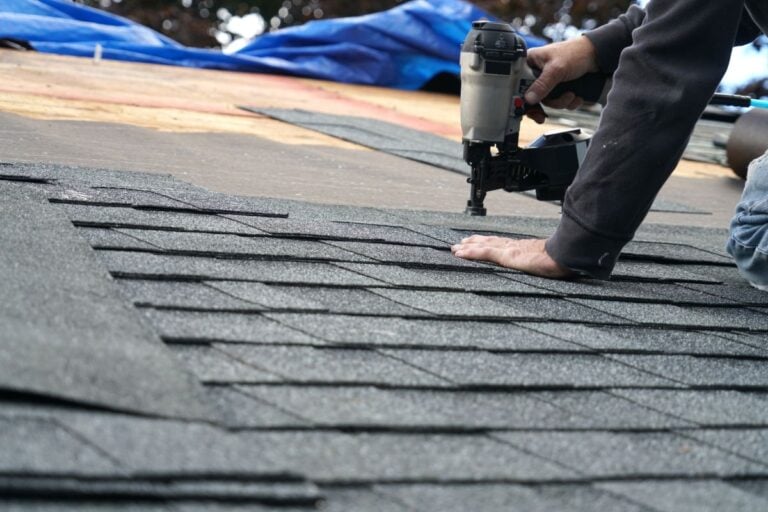
This warranty covers errors made during the installation process, such as improper nailing or incorrect placement of materials. If an issue arises due to poor workmanship, the contractor is responsible for fixing it.
When selecting a roofing contractor, inquire about their workmanship warranty. A reputable contractor, like Palladium Roofing, will stand by their work and offer a solid warranty to back it up.
👉 5 Things Your Roof Warranty Covers
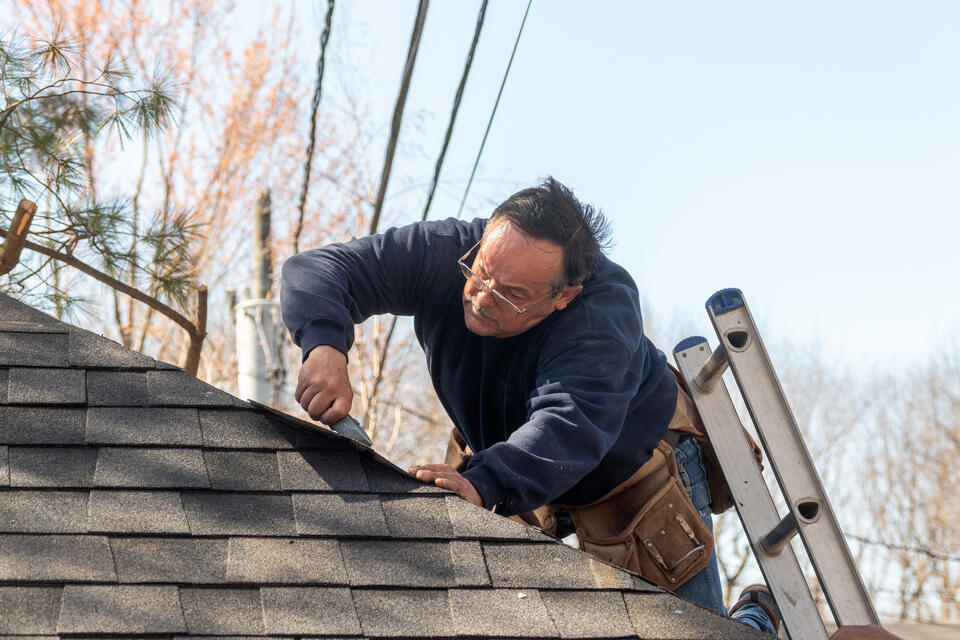
Understanding the specifics of your roof warranty can help you make the most of it. Here are five common things that your roof warranty is likely to cover:
1. Material Defects
Roofing materials are designed to withstand various environmental conditions, but sometimes defects can occur during manufacturing. This may include issues such as broken shingles, warped tiles, or improper coatings. If you notice any such defects within the warranty period, you can typically file a claim for repair or replacement. It’s essential to document any issues and communicate with your contractor to ensure proper coverage.
2. Workmanship Errors
Even the best materials can fail if they’re not installed correctly. Workmanship errors can include improper alignment, insufficient sealing, or inadequate flashing around chimneys and vents. If your roof develops problems due to installation mistakes, your warranty should cover the cost of corrections. Maintaining open communication with your roofing contractor can help ensure that any workmanship issues are addressed promptly.
3. Leaks
Leaks are one of the most common issues homeowners face with their roofs, often resulting from either material defects or workmanship errors. A good roof warranty will typically cover repairs for leaks that develop during the warranty period, protecting you from unexpected expenses. It’s crucial to identify leaks early and report them to your warranty provider, as prolonged exposure to moisture can lead to more significant problems like mold or structural damage.
4. Premature Aging
Roofs are expected to last for a certain number of years, but signs of aging can sometimes appear sooner than anticipated due to environmental factors or material quality. If your roof exhibits premature aging—such as cracking, curling, or losing granules—your warranty may cover repairs or even a full replacement, depending on the terms. Keep an eye on your roof’s condition and consult with a professional if you notice any unusual wear.
5. Blow-Offs
Wind can be a significant factor affecting the integrity of your roof. If high winds cause shingles to blow off due to improper installation or subpar materials, your warranty may provide coverage for repairs. It’s essential to ensure that your roofing system is installed according to manufacturer specifications and local building codes, which can help prevent blow-offs and enhance the longevity of your roof. If issues arise, document the damage and consult your warranty provider for guidance on filing a claim.
❗️ What’s Typically Not Covered
While warranties offer essential protection, there are limitations to what they cover. Knowing what is not covered can help you avoid unpleasant surprises.
- Natural Disasters: Most warranties do not cover damage caused by natural disasters, such as hurricanes, floods, or earthquakes. Homeowners should consider additional insurance to cover these risks.
- Lack of Maintenance: Damage resulting from neglect or failure to maintain the roof is typically not covered. Regular maintenance is crucial to ensure your warranty remains valid.
- Improper Use: If the roof is used for purposes not intended by the manufacturer, any resulting damage may not be covered. Always follow the manufacturer’s guidelines for roof use.
Avoiding Common Warranty Pitfalls
Understanding common pitfalls can help you maintain your warranty and avoid unnecessary expenses. Here are some tips:
Keep Records: It’s essential to maintain detailed records of any maintenance or repairs performed on your roof. This includes invoices, receipts, and notes about the work done. Proper documentation can be crucial if you need to file a warranty claim, as it provides proof that you’ve taken care of your roof according to the manufacturer’s requirements.
Schedule Regular Inspections: Regular roof inspections are key to spotting potential issues before they escalate into costly repairs. By scheduling annual inspections with a qualified professional, you can identify problems like leaks or damage early on. This proactive approach not only ensures your roof remains in good condition but also helps keep your warranty intact.
Follow Maintenance Guidelines: To avoid voiding your warranty, it’s vital to adhere to the manufacturer’s maintenance guidelines. This may include tasks like cleaning gutters, removing debris from the roof, and ensuring that drainage systems are functioning properly. Following these guidelines demonstrates that you’re committed to maintaining your roof, which can be beneficial if you ever need to make a claim.
💡 Tips for Maintaining Your Warranty
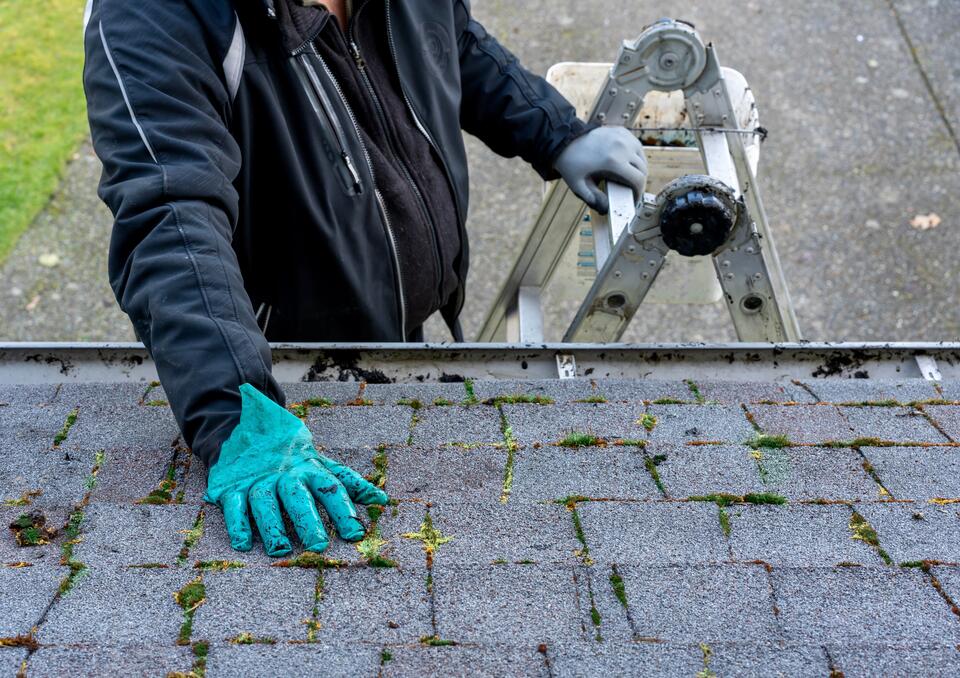
Maintaining your warranty involves more than just keeping your roof in good condition. Here’s how you can protect your warranty:
- Perform Regular Maintenance: Regular maintenance is key to preventing issues. Clean your roof, inspect for damage, and address minor issues promptly.
- Hire Qualified Professionals: When repairs are needed, hire qualified professionals like Palladium Roofing. Using unqualified contractors can void your warranty.
- Document All Work: Keep thorough records of any work done on your roof. This includes invoices, inspection reports, and maintenance logs.
🙌 Protecting Your Home with Palladium Roofing
A roof warranty is an essential safeguard for homeowners, offering protection against costly repairs and replacements. By understanding the ins and outs of your warranty, you can make informed decisions and keep your roof in top condition.At Palladium Roofing, we pride ourselves on delivering quality service and expert advice. Whether you need a new roof or a repair, we’re here to help. Contact us today to learn more about our services and how we can assist you in protecting your home.
Related Articles