Rubber Roofing: What Are the Pros & Cons?
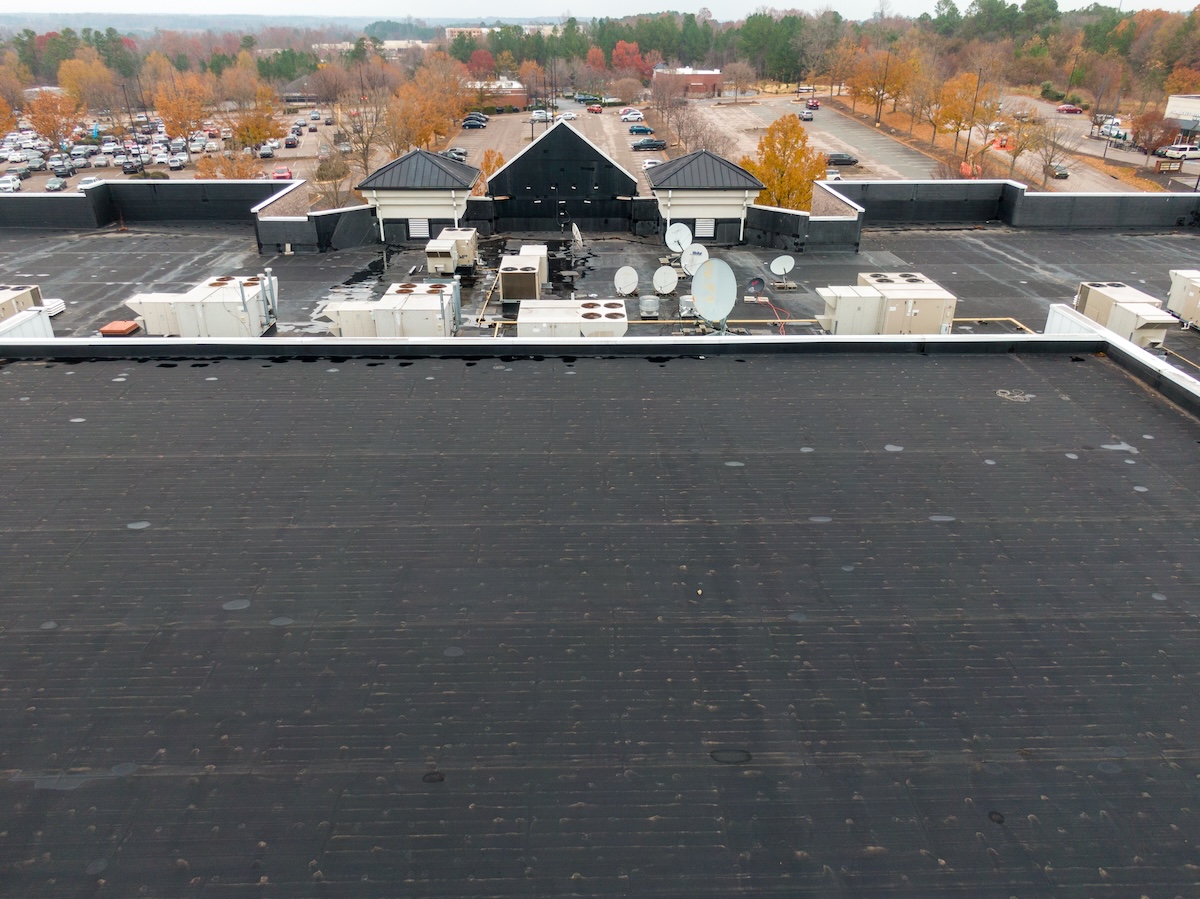
Rubber roofing is gaining traction in the commercial property world, and for good reason. Known for its durability and cost-effectiveness, this type of roofing material has become a popular choice for business owners looking to protect their investments. But like any roofing option, it comes with its own set of strengths and weaknesses.
This guide explores everything you need to know about rubber roofing. We’ll cover:
- What rubber roofing is and how it works
- A helpful breakdown of 5 key benefits of rubber roofing
- The cons of rubber roofing, like design limitations
🤔 What is Rubber Roofing?
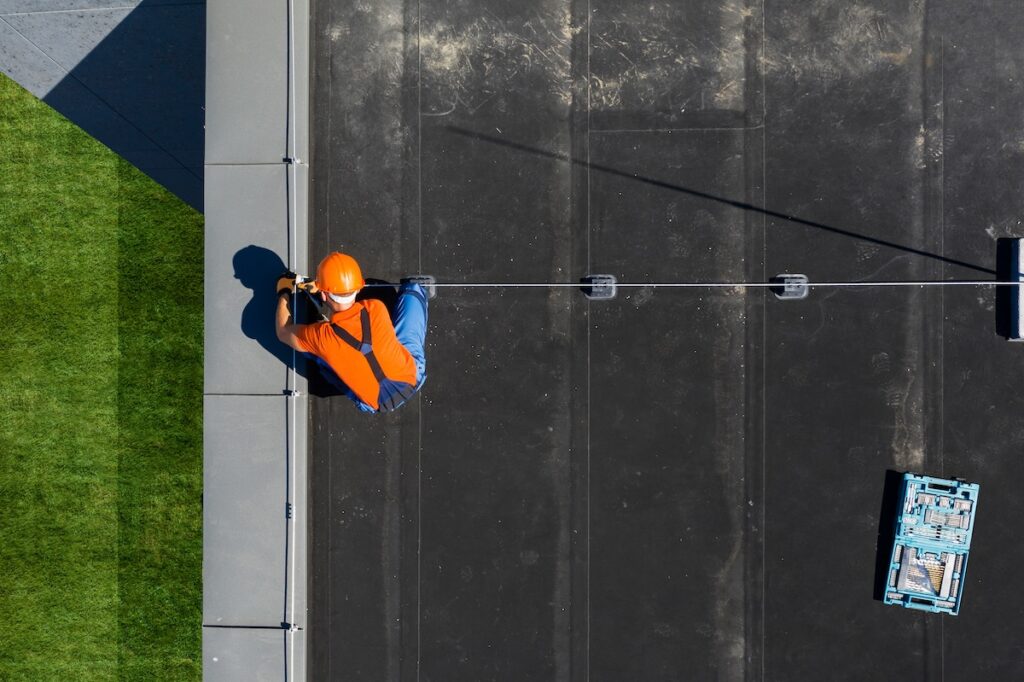
Rubber roofing, also known as EPDM (ethylene propylene diene terpolymer) roofing, is a durable, synthetic rubber material widely used for flat or low-sloped roofs. It’s designed to be highly resistant to weather and environmental conditions, making it an ideal choice for protecting commercial and residential buildings. EPDM roofing is typically installed in large sheets that are adhered, mechanically secured, or ballasted to the roof surface, creating a seamless and reliable barrier against the elements.
The simplicity of rubber roofing is one of its major advantages. With fewer seams and a straightforward installation process, it’s not only easier to install but also reduces the risk of leaks. Its minimalistic design makes it especially suitable for commercial buildings, where efficiency and durability are top priorities.
What makes rubber roofing unique
- Exceptional resistance to extreme weather and UV exposure
- Minimal seams, reducing the risk of leaks
- Long lifespan, often exceeding 20 years with proper maintenance
- Simple and efficient installation process
- Cost-effective for flat and low-sloped roofs
- Environmentally friendly, as it’s recyclable and energy-efficient
✅ 5 Key Benefits of Rubber Roofing
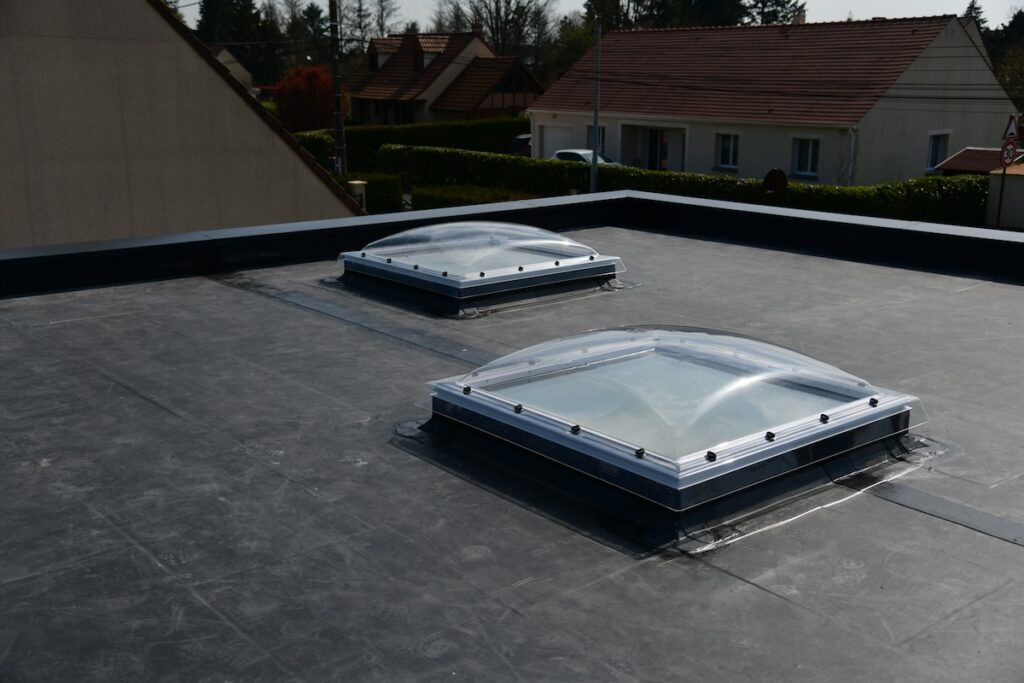
Wondering if rubber roofing is worth it? Here’s a closer look at its standout advantages and why it’s a smart investment for commercial properties.
1. Longevity
Rubber roofing is renowned for its impressive lifespan. When properly installed and maintained, a rubber roof can last up to 50 years or more, far exceeding the lifespan of many traditional roofing materials. This durability not only provides peace of mind but also significantly reduces the need for frequent replacements—a costly and time-consuming process. Over time, the long-lasting nature of rubber roofing translates into substantial savings, both in terms of money and resources, as it minimizes waste and the environmental impact of repeated installations.
2. Waterproof Properties
One of the standout features of rubber roofing is its exceptional waterproofing capabilities. The material is virtually impenetrable to water, making it a superior choice for areas prone to heavy rainfall or frequent exposure to moisture. With a rubber roof in place, you can prevent leaks and water damage that could lead to costly repairs or internal structural damage to your property. Its seamless design also ensures that water doesn’t seep through cracks or joints, providing a watertight seal that protects your home or building for years to come.
3. UV Resistance
Rubber roofing, particularly EPDM (ethylene propylene diene terpolymer) roofs, is specifically engineered to withstand the harsh effects of UV rays. Unlike other materials that may crack, fade, or degrade with prolonged exposure to sunlight, EPDM roofs retain their strength and flexibility, even in extreme conditions. This UV resistance not only enhances the roof’s performance but also extends its lifespan, making it a cost-effective solution for properties in sunny or high-temperature regions. The ability to protect against UV damage also contributes to maintaining the roof’s appearance and structural integrity over time.
4. Minimal Repairs
Rubber roofing is incredibly durable, and its resilience means fewer issues with wear and tear compared to other materials like asphalt shingles or metal. This durability minimizes the likelihood of cracks, splits, or other forms of damage that typically require expensive repairs. Even if minor issues arise, rubber roofing is relatively easy to repair, often requiring only simple patching to restore its full functionality. By reducing the frequency and cost of maintenance, a rubber roof offers long-term savings and fewer headaches for property owners.
5. Weather Versatility
Rubber roofing is designed to perform well in a wide range of climates, from freezing winters to scorching summers. Its unique composition allows it to expand and contract with temperature changes without cracking or becoming brittle. In cold climates, rubber roofs resist freezing and remain flexible, preventing damage caused by ice or snow. In hotter regions, the material reflects heat and resists warping, ensuring consistent performance even under intense sunlight. This versatility makes rubber roofing a dependable choice for properties in any region, offering reliable protection and comfort regardless of the weather.
👉 The Cons of Rubber Roofing
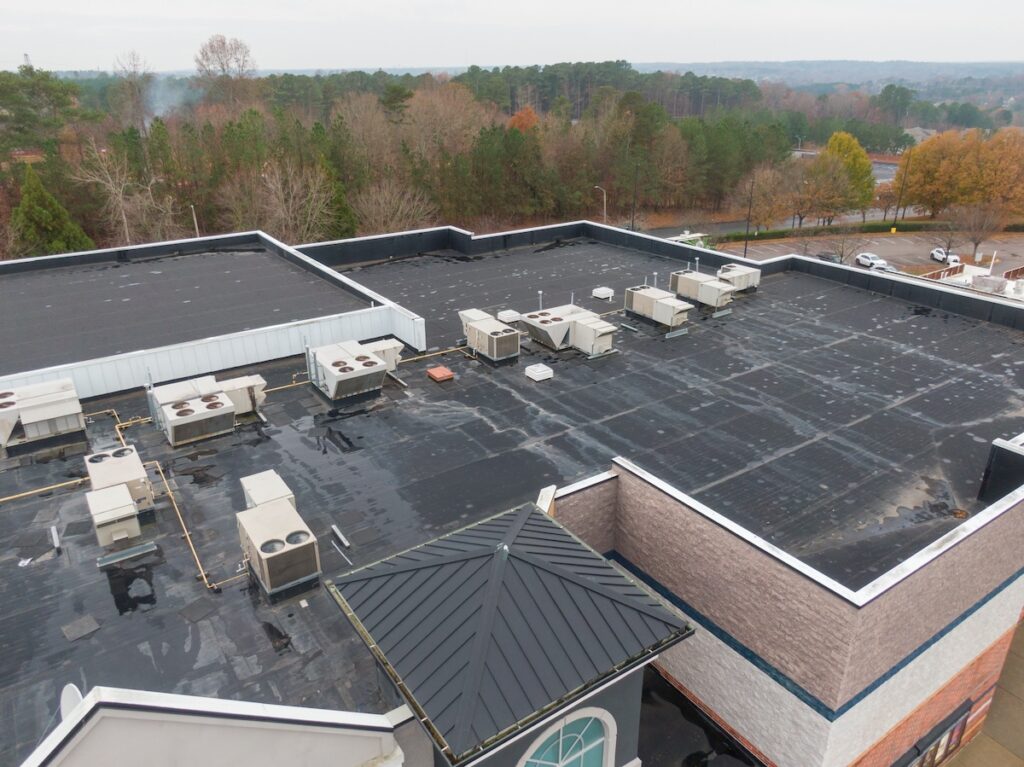
While rubber roofing has its perks, there are a few drawbacks to consider.
1. Aesthetics
Rubber roofing is incredibly functional and offers excellent durability, but it falls short when it comes to visual appeal. It’s typically available in just two colors: black and white, which limits its ability to blend seamlessly with certain architectural styles or color schemes. Unlike materials such as asphalt shingles, which come in a variety of textures and colors, or metal roofing, which can add a sleek, modern touch, rubber roofing is more utilitarian in appearance. This can be a drawback for property owners who prioritize curb appeal or want their building to make a bold design statement.
2. Flat Roof Limitation
Rubber roofing is specifically designed to cater to flat or low-sloped roofs, making it an ideal choice for many commercial properties. However, its functionality diminishes on steeply sloped roofs due to its inability to adhere properly and maintain its waterproof integrity. If your commercial or residential property includes significant slopes or intricate roof designs, rubber roofing may not be suitable, as it could lead to water runoff issues or possible structural complications. This limitation makes it less versatile compared to other roofing materials, which can adapt to a wider variety of roof types.
3. Surface Vulnerabilities
While rubber roofing is known for its impressive durability and resistance to harsh weather conditions, it is not completely immune to damage. Its surface can be susceptible to punctures or tears caused by sharp objects, falling debris, or heavy foot traffic. For instance, branches from nearby trees or tools accidentally dropped during repairs could compromise the roof’s integrity. Though these issues are often relatively easy and affordable to repair, they do require attention and maintenance. If your building is located in an area prone to high winds, heavy storms, or falling debris, you may need to weigh the risks of these vulnerabilities when considering rubber roofing.
4. Higher Maintenance for Aesthetic Edges
Achieving a perfectly polished appearance with rubber roofing, particularly along exposed edges, often requires additional effort and expertise. This is because the edges need to be carefully sealed and smoothed to create a neat, professional look that complements the rest of the building. The extra labor involved in refining these edges can translate to higher installation costs, especially if you require a seamless and aesthetically pleasing finish. For property owners who want the best of both functionality and appearance, it’s important to consider these added expenses when budgeting for rubber roofing.
🏠 Rubber Roofing Guide
At Palladium Roofing, we understand that your roof is more than just a structure—it’s a critical investment in the safety and longevity of your property. With our expertise in rubber roofing, commitment to quality materials, and customer-first approach, we deliver solutions that stand the test of time.
When you choose Palladium Roofing, you’re choosing a partner dedicated to transparency, reliability, and excellence. Ready to protect your commercial property with a durable, high-performance roof? Contact us today for your free inspection and experience the Palladium difference!
Related Articles