Saltbox Roof Style (History, Design & Modern Appeal)

The saltbox roof is one of the most distinctive architectural designs in American history, blending simplicity with efficiency. With its charming asymmetry and steep slopes, this style stands out as both functional and timeless. Originally developed out of necessity, it remains a popular choice for homeowners who want to combine classic New England charm with modern performance. Whether you’re planning a roof replacement or exploring creative architectural options, discover how this unique roof design adds character and durability to homes across the country. To learn more about roofing styles that fit your home’s personality, explore our custom roofing designs for inspiration.
In this guide, you’ll learn:
- How the saltbox roof originated and evolved through American history
- What makes the design distinct and efficient for homeowners
- The advantages and potential drawbacks of the style
- How this traditional look fits into modern Oklahoma homes today
The Lasting Appeal of the Saltbox Roof
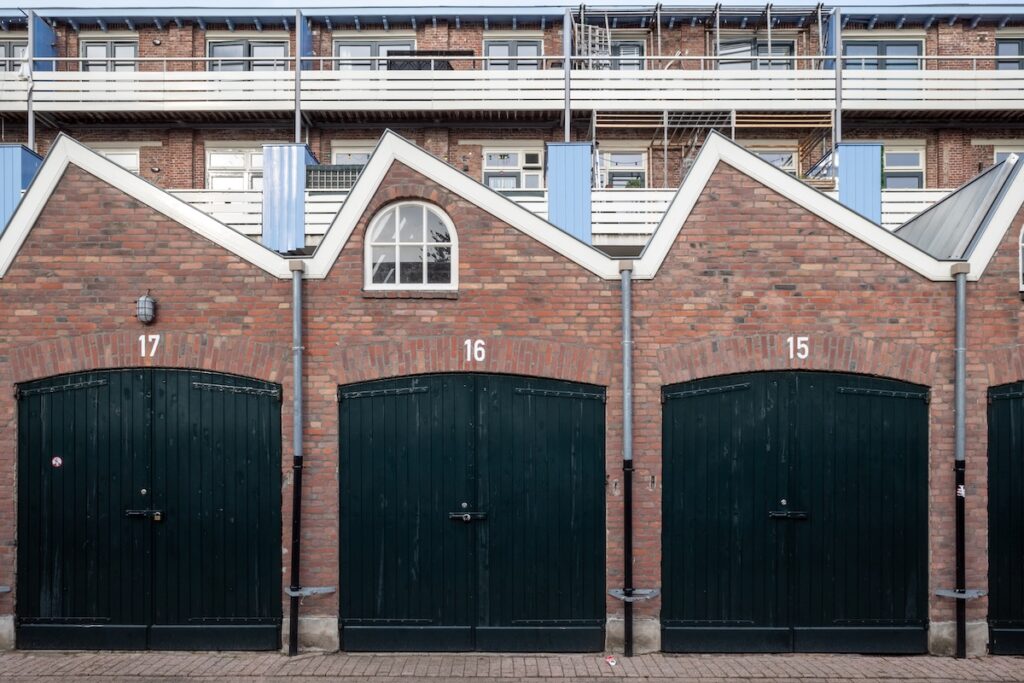
The saltbox roof’s charm lies in its simplicity and clever functionality. Its distinctive sloping shape isn’t just for looks—it was born from practical needs centuries ago. Homeowners today continue to appreciate the style for its strength, aesthetic, and ability to stand out while blending into diverse architectural settings.
- Unique Shape: The steep front and long back slopes create an iconic asymmetrical silhouette that stands out from standard rooflines.
- Efficient Water Drainage: The design naturally directs rain, snow, and debris off the roof faster, reducing buildup.
- Wind Resistance: The low, elongated slope offers excellent resistance to strong winds, making it suitable for Oklahoma’s stormy seasons.
- Timeless Aesthetic: This historical design provides old-world charm while adapting beautifully to contemporary materials and color palettes.
- Expanded Interior Space: Many saltbox homes take advantage of the long roofline by adding lofts or extra rooms on one side.
Its structure has remained relevant for over three centuries because it balances beauty, practicality, and long-term resilience.
3 Key Stages in the Evolution of the Saltbox Roof
The saltbox roof’s history reflects the American spirit of innovation and resourcefulness. It evolved from necessity, adapted through craftsmanship, and continues to influence modern architecture.
1. Colonial Beginnings
The saltbox roof first appeared in 17th-century New England as settlers looked for ways to expand their small wooden homes. To add more living space without building upward, they extended the rear portion of the home with a long, sloping roofline.
This approach created a simple, practical design that could withstand heavy snow and wind. The steep front allowed for a full second story, while the long rear slope provided coverage for additional rooms or storage.
The name “saltbox” came from its resemblance to the wooden boxes used to store salt in colonial kitchens—tall on one side, short on the other, and elegantly slanted.
2. Evolution Through the 18th and 19th Centuries
As construction materials and techniques improved, the saltbox style spread beyond the Northeast. Builders began incorporating brick and clapboard siding, adding decorative touches while preserving the functional design.
The roof’s slope proved efficient for areas with harsh winters and heavy rain. By the 1800s, it became a staple in rural and urban settings alike, symbolizing traditional American architecture.
3. Modern Resurgence
Today, homeowners across the U.S.—including in places like Edmond, OK—are rediscovering the saltbox roof for its nostalgic charm and energy-efficient potential. Modern versions often use materials like standing seam metal or asphalt shingles for a sleek yet durable finish.
Architects love the design’s versatility, adapting it for both classic and contemporary homes. Whether paired with wood siding or bold, minimalist exteriors, the saltbox remains a standout choice for form and function.
Advantages and Disadvantages of a Saltbox Roof
Before committing to this design, it’s helpful to understand its benefits and potential challenges. The saltbox roof may not suit every home, but its strengths often outweigh the drawbacks for those seeking durability and distinction. If you’re wondering how a roofing project might impact your routine, our article on whether you should stay home during a roof replacement offers helpful insights before work begins.
| Advantages | Considerations |
| Excellent wind and water resistance | Complex framing requires skilled installation |
| Timeless, historic aesthetic | Asymmetry can limit attic or upper-level layout |
| Compatible with many materials (metal, shingle, tile) | Repairs may be more intricate on the long slope |
| Efficient drainage and weather performance | Higher installation cost than basic gable roofs |
| Adds character and resale appeal | Not ideal for flat or ultra-modern roof preferences |
| While it may require more planning and expertise, the final result is a structure that’s both beautiful and built to endure. |
Modern Materials for Saltbox Roofs
One of the greatest advantages of updating a saltbox-style home today is the variety of roofing materials available. Modern products combine historical aesthetics with cutting-edge durability, energy efficiency, and low maintenance needs. If you’re comparing styles and performance options, explore our detailed guide on types of metal roofing to see which materials work best for Oklahoma’s wind and storm conditions.
Asphalt Shingles
Asphalt remains a popular and affordable choice, offering versatility in color and texture. Architectural shingles can mimic wood shakes while providing excellent weather protection.
Metal Roofing
Metal roofs enhance the saltbox’s long slope with sleek, reflective panels that improve energy efficiency. Standing seam metal roofing is particularly effective for managing Oklahoma’s high winds and storms.
Wood Shakes
For homeowners who love authentic, rustic appeal, cedar shakes capture the colonial essence of saltbox architecture. Though more maintenance-intensive, they age beautifully over time.
Synthetic Roofing Materials
Modern synthetic options mimic wood or slate while offering longer lifespans and less maintenance. They provide a perfect balance between classic style and modern durability.
Choosing the right material depends on your home’s architecture, budget, and climate conditions. Working with an experienced local roofer ensures a design that balances visual charm with structural performance.
Why the Saltbox Roof Works Well in Oklahoma
While the saltbox design originated in colder regions, it performs remarkably well in Oklahoma’s climate. Its aerodynamic slope and sturdy construction handle wind, heat, and rain efficiently. Homeowners looking for expert installation and design guidance can rely on our trusted roofing services in Edmond to ensure their saltbox roof is built for long-term performance and local weather demands.
Local Performance Benefits
- Wind Resistance: The long back slope deflects gusts, making it ideal for high-wind regions like Edmond and surrounding areas.
- Efficient Water Shedding: Oklahoma’s heavy rains flow easily off the steep pitch, reducing leak risks.
- Thermal Regulation: Modern insulation paired with metal or shingle materials helps regulate indoor temperatures year-round.
- Visual Character: The asymmetrical roofline adds unique architectural interest to neighborhoods filled with standard gable or hip roofs.
Architectural Adaptability
Saltbox designs blend well with both rural and suburban settings in Oklahoma. From restored historical homes to new custom builds, the style fits beautifully within local landscapes while providing modern protection. Working with an experienced Yukon roofing contractor ensures your saltbox roof complements your home’s layout, materials, and neighborhood aesthetic.
Design Variations Inspired by the Saltbox Roof
Over the centuries, architects have adapted the saltbox concept to suit evolving tastes and technologies. These variations retain the basic asymmetrical shape but include new twists that enhance form and function.
- Contemporary Saltbox: Combines minimalist lines with metal or glass accents for a modern aesthetic.
- Expanded Saltbox: Extends the rear roofline even further to create extra living or storage space.
- Hybrid Saltbox-Gable: Merges the saltbox silhouette with a symmetrical gable for balance and versatility.
- Saltbox with Dormers: Adds natural light and ventilation through dormer windows on the longer slope.
These creative adaptations prove that the saltbox isn’t just a relic of the past—it’s a design that evolves gracefully with modern construction trends.
FAQs About Saltbox Roofs in Oklahoma
Homeowners often have questions about whether a saltbox design fits their property and climate. Here are some of the most common inquiries.
Is a saltbox roof expensive to build?
It can be slightly more costly than a standard gable roof due to the asymmetrical design and framing requirements. However, the long-term benefits in durability and style often justify the investment.
How long does a saltbox roof last?
Lifespan depends on material choice. Asphalt shingles typically last 25–30 years, while metal or synthetic materials can exceed 50 years with proper maintenance.
Does the saltbox shape help with wind resistance?
Yes. The uneven roofline reduces wind uplift and provides excellent performance during Oklahoma’s windy spring and summer months.
Can I install solar panels on a saltbox roof?
Absolutely. The long rear slope is often perfect for solar panels because it provides a large, unobstructed surface area facing the sun.
Does the saltbox roof require special maintenance?
Maintenance is similar to other pitched roofs. Regular inspections, gutter cleaning, and debris removal help maintain its efficiency and appearance.
Why Local Expertise Matters in Edmond, OK
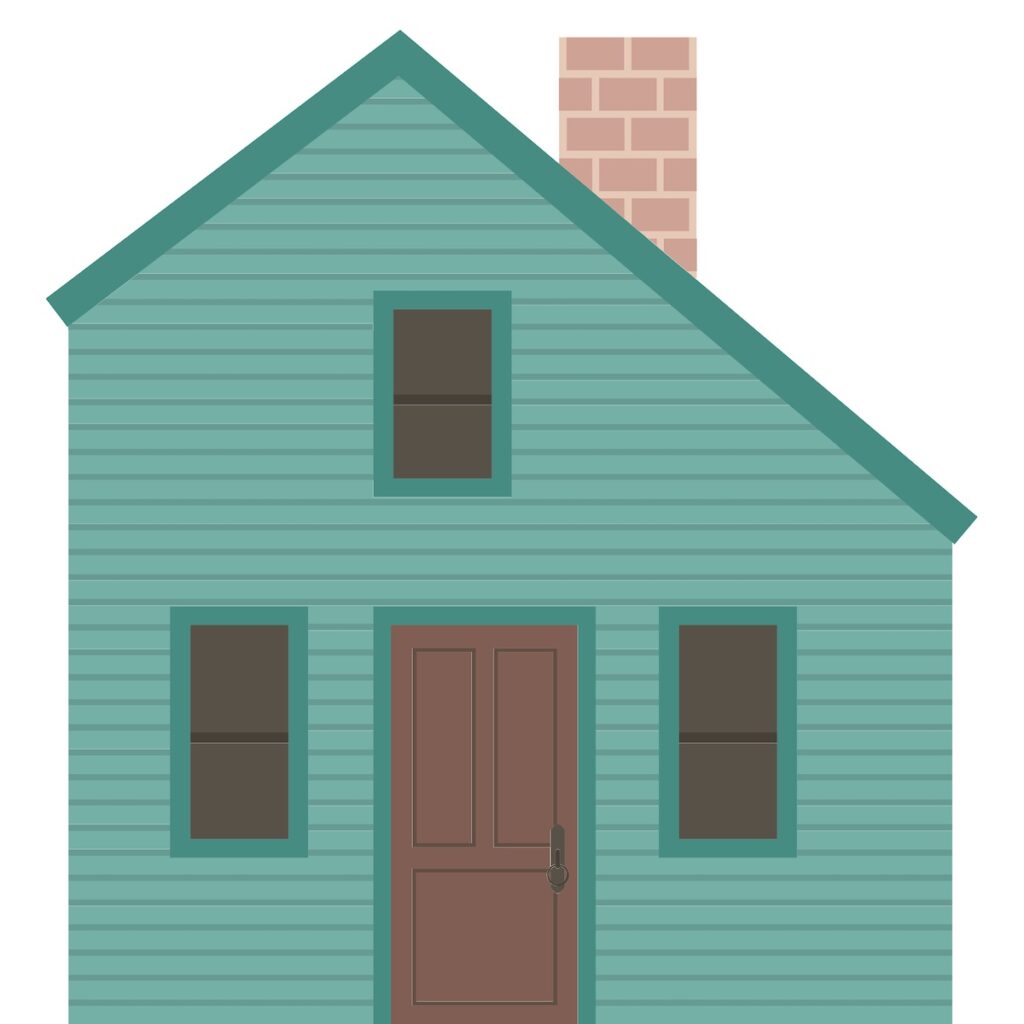
Installing or restoring a saltbox roof requires attention to detail and understanding of the local environment. Edmond, OK homeowners benefit from working with professionals familiar with Oklahoma’s building codes and weather patterns. Choosing a reliable Choctaw roofing company helps ensure your saltbox roof combines historical charm with modern durability and code-compliant construction.
Benefits of Local Roofing Professionals
- Knowledge of Weather Patterns: Local roofers understand the wind, hail, and heat challenges unique to Oklahoma.
- Access to Quality Materials: Local contractors source durable, region-appropriate products designed for performance.
- Custom Design Support: Experienced roofers can adapt the traditional saltbox look to complement your home’s layout and style.
Choosing an experienced team like Palladium Roofing ensures your saltbox roof installation or restoration blends historic beauty with modern engineering.
Discover the Timeless Charm of the Saltbox Roof
The saltbox roof remains one of the most enduring and recognizable architectural styles in American history. Its sloped design, simple form, and lasting durability make it a favorite among homeowners who value both character and function. Whether you’re restoring a classic or building something new, this roof style offers elegance that never goes out of fashion.
If you live in Edmond, OK and surrounding areas and are considering a roof upgrade or architectural redesign, Palladium Roofing can help bring your vision to life. Our experienced team specializes in high-quality materials, expert craftsmanship, and personalized design options to suit every home. To schedule your inspection or estimate, contact us today and experience roofing excellence built on history and innovation.
Related Articles