6 Signs of Poor Attic Ventilation in Your House
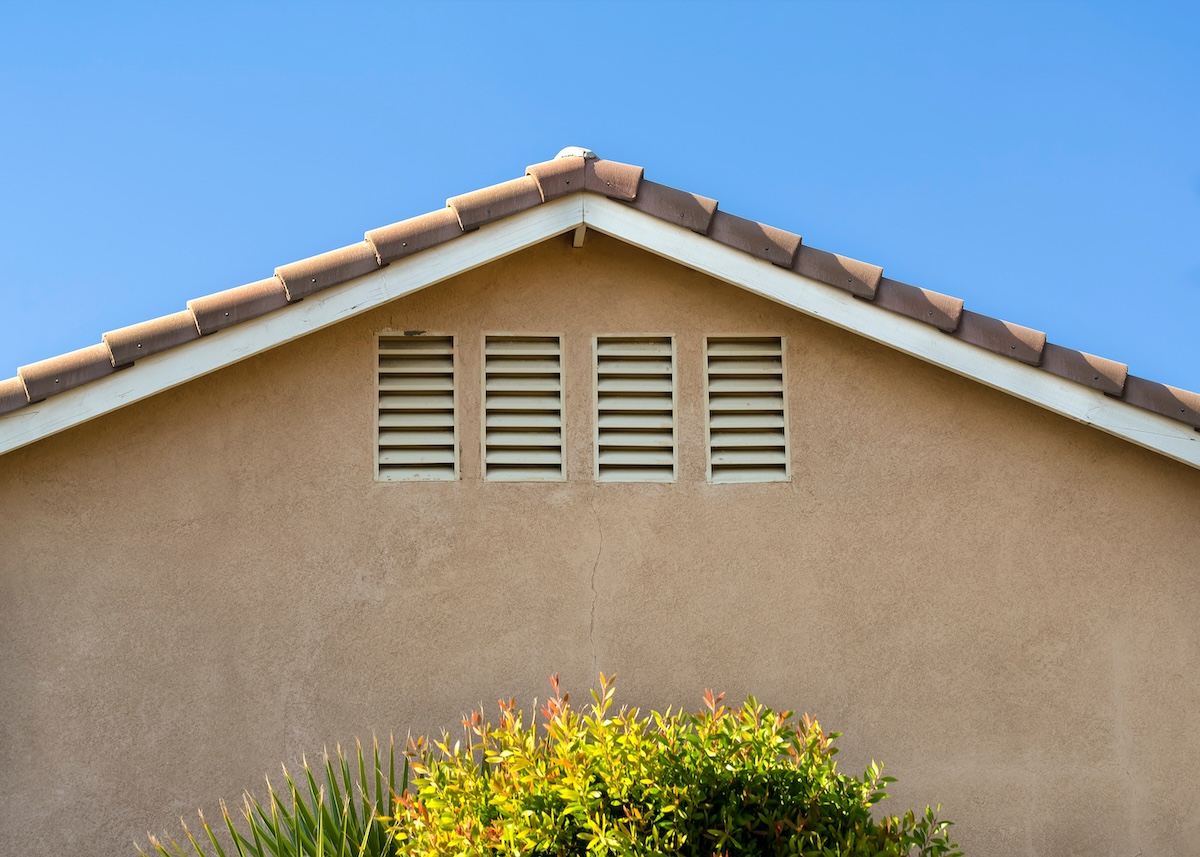
Your home’s attic may not be the first place you consider when thinking about your household’s health and comfort, but it plays a critical role. Proper attic ventilation helps regulate your home’s temperature, boosts energy efficiency, and prevents costly repairs. Poor attic ventilation, on the other hand, can lead to significant problems for both your home and your health. But how can you tell if your attic ventilation isn’t up to par?
This blog will guide you through everything you need to know. Here’s what we’ll cover:
- Why attic ventilation matters
- Signs of poor attic ventilation
- Advice from a local roofer
- How this impacts your home and family
🤔 Why Proper Attic Ventilation Matters
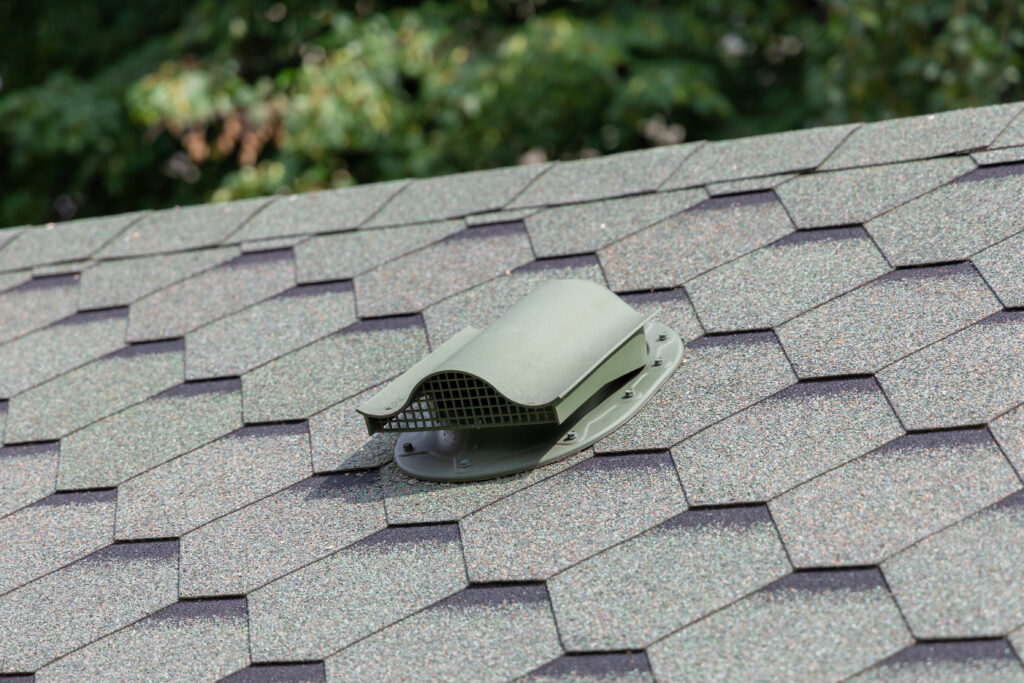
Proper attic ventilation is essential for maintaining a healthy and efficient home environment. It allows air to flow through your attic space, creating a balance between indoor and outdoor temperatures. This balance prevents excessive moisture build-up, protects your home from heat damage, and helps your HVAC system operate efficiently, saving energy and extending its lifespan. Without proper ventilation, your attic can become a hotspot for issues such as mold, mildew, and even structural damage caused by trapped heat and moisture.
An unventilated or poorly ventilated attic can also increase your energy bills, as your cooling or heating system will have to work harder to counteract the effects of trapped heat or cold. Over time, this can lead to higher maintenance costs and reduce the overall lifespan of your roof and home structure.
If you’re noticing persistent issues in your home, such as uneven temperatures, musty odors, or unexplained increases in your energy bills, your attic might hold the answer. Below, we’ll break down the common signs of poor attic ventilation and what they mean for your home:
- Hot or stuffy attic space: Indicates trapped heat, which can damage roofing materials and increase indoor temperatures.
- Ice dams in winter: Caused by uneven ventilation and insulation, leading to costly roof repairs.
- Mold or mildew growth: A clear sign of excess moisture in your attic.
- Peeling paint or warped wood: Moisture buildup can impact not only your attic but other parts of your home.
- Unusually high energy bills: Poor ventilation forces your HVAC system to work harder, increasing costs.
🔎 6 Common Signs of Poor Attic Ventilation
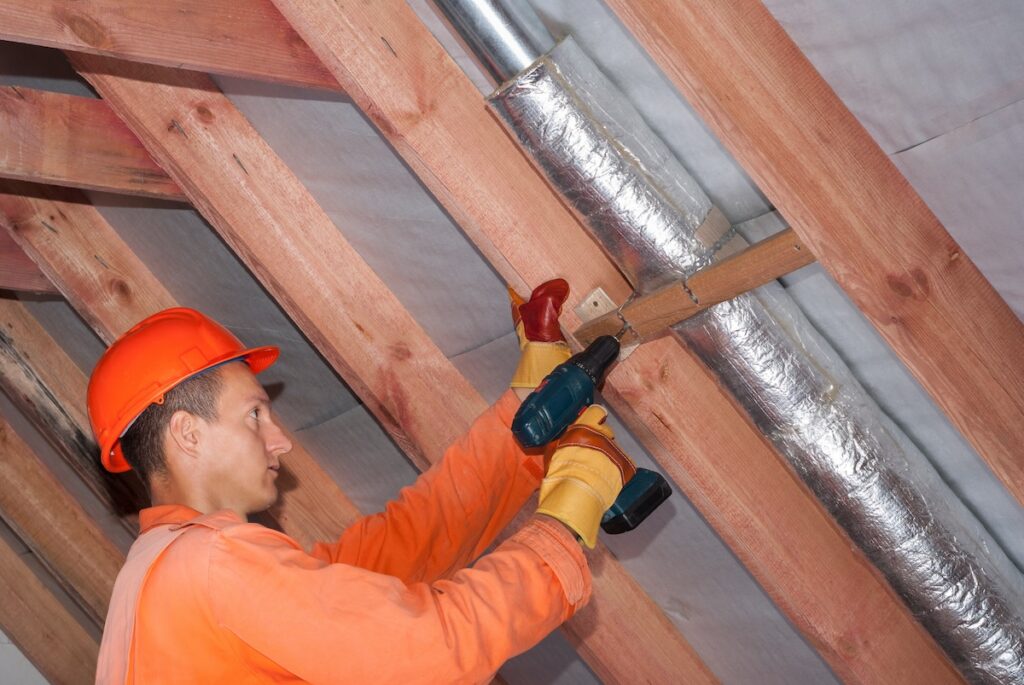
Proper attic ventilation is crucial for maintaining a healthy home. Without it, you risk moisture buildup, higher energy bills, and potential damage to your roof.
1. Unusually High Energy Bills
If your energy bills are increasing without any clear explanation, poor attic ventilation could be the reason. When your attic lacks proper airflow, it traps heat during the summer. This forces your air conditioner to work much harder to maintain a comfortable temperature inside your home, causing a spike in energy costs.
Similarly, during winter, the absence of adequate ventilation can trap heat in the attic. This leads to uneven heat distribution throughout your home, affecting its overall energy efficiency and driving up heating costs. Be mindful if you notice higher energy bills during peak seasons or if you’re struggling to maintain a steady indoor temperature, as this could point to ventilation problems.
2. Hot or Stuffy Attic
Have you checked the temperature in your attic recently? A poorly ventilated attic often feels excessively warm or stuffy, especially during the hotter months. Without proper airflow, attic temperatures can skyrocket, creating an uncomfortable environment that impacts the materials stored there.
This extreme heat also puts unnecessary strain on your roofing materials and insulation, decreasing their lifespan over time. Pay attention to whether your attic feels unbearably hot in the summer or if the air inside feels stale and humid, as these are key indicators of ventilation issues.
3. Moisture Build-Up or Mold
Moisture build-up is one of the clearest signs of poor attic ventilation, and it becomes particularly noticeable in cooler weather. When warm air gets trapped in your attic and cannot escape, it condenses on cooler surfaces like beams, rafters, or insulation. T
his excess moisture creates the perfect environment for mold or mildew to grow. Mold not only damages the structure of your home, but it also poses serious health risks to you and your family. Watch for signs of moisture such as black or green mold growth on wooden beams and insulation, or condensation forming on attic windows or roof decking.
Addressing these issues quickly can prevent long-term structural and health problems.
4. Ice Dams in Winter
Ice dams on your roof in winter are a classic sign that your attic lacks proper ventilation. When warm air escapes from your living space into the attic, it heats the underside of the roof. This can cause snow on the roof to melt, only for the water to refreeze near the colder eaves, creating ice dams.
Over time, these ice dams can lead to significant damage as melting water backs up under your roof shingles and leaks into your home. If you notice icicles or ice ridges forming along the edges of your roof or water damage caused by melting snow, it’s time to address your attic’s ventilation problems.
5. Peeling or Warped Roofing Materials
Poor attic ventilation causes excessive heat to build up, which can damage your roofing materials from the inside out. Over time, shingles exposed to trapped heat and moisture may peel, warp, or crack, compromising your roof’s integrity.
These issues can escalate, leading to costly repairs or even a full roof replacement. Keep an eye out for curling or buckling shingles, cracked roof tiles, or signs of damage to your roof’s underlayment. These problems often start small but can quickly worsen if not addressed.
6. Lingering Odors
If your attic or home has a persistent musty smell that you can’t seem to get rid of, poor ventilation could be the cause. Inadequate airflow allows moisture to accumulate, creating an ideal environment for mold and mildew to grow. This not only generates unpleasant odors but can also lead to long-term air quality issues in your home. Odors caused by poor ventilation often linger even after cleaning because the root problem remains unresolved. Be on the lookout for persistent damp or musty smells in your attic and home, as they may indicate the need for improved ventilation.
👉 How Poor Ventilation Impacts Your Home and Your Family
When attic ventilation goes unchecked, it doesn’t just affect the attic itself. The consequences ripple throughout your entire home. Here’s what inadequate ventilation might cost you:
Structural Damage
Excess moisture, mold, and mildew can gradually weaken the structural integrity of your home. Beams, insulation, and other building materials are particularly vulnerable, leading to sagging, rotting, or even collapse over time. Neglecting this issue can result in extensive and costly repairs that could have been avoided with proper ventilation.
Health Issues
Poor air circulation can trap allergens, mold spores, and other pollutants inside your home, severely impacting indoor air quality. This can exacerbate respiratory conditions such as asthma or allergies, and in some cases, prolonged exposure to mold may lead to more serious health risks. Proper ventilation can help ensure fresher, healthier air for your family.
Energy Inefficiency
When a home lacks adequate ventilation, heating and cooling systems have to work harder to maintain a comfortable temperature. This leads to higher energy consumption and increased utility bills. By improving airflow, you can reduce the strain on your HVAC systems and save on energy costs over time.
Early Roof Replacement
Extreme attic conditions caused by trapped heat and moisture can significantly shorten the lifespan of your roof. This wear and tear may cause shingles to warp or deteriorate, forcing you to replace your roof sooner than necessary. Proper ventilation helps regulate attic conditions, protecting your roof and prolonging its durability.
⚠️ Attic Ventilation Signs

At Palladium Roofing, we understand how crucial proper attic ventilation is to the health of your home. With years of experience and a passion for helping homeowners, our team is your trusted partner in identifying and addressing ventilation issues before they turn into costly repairs. We don’t just fix problems—we empower you with the knowledge to care for your home with confidence.
If you’ve noticed signs of poor attic ventilation or simply want peace of mind, don’t wait.
Contact Palladium Roofing today for a no-obligation inspection and let us provide you with tailored solutions to protect your home and budget.
Related Articles