Signs Of Roof Leak In Attic: 9 Signs To Be Aware
Your attic is often the first place to reveal roofing problems, yet it’s also the most overlooked part of the home. Understanding the early signs of roof leak in attic can help you prevent major structural damage, mold growth, and costly repairs, especially for homes in Nichols Hills, OK and surrounding areas where weather extremes are common.
Roof leaks do not always show up as dripping water. In many cases, moisture enters slowly through compromised shingles, flashing, or roof penetrations and spreads quietly through attic materials. By learning what to watch for and acting quickly, homeowners can protect their roof system and better understand how different roofing options respond to Oklahoma’s climate.
In this guide, you will learn:
- Why attic leaks escalate faster than most homeowners expect
- 9 warning signs that indicate water intrusion in your attic
- Local factors that increase leak risk in Nichols Hills
- What to do when you suspect a roof leak
- Answers to common Oklahoma-specific roofing questions
Why Spotting Attic Leaks Early Matters
Attic leaks rarely stay isolated. Once moisture enters your attic, it can affect insulation, framing, wiring, and even indoor air quality. The longer a leak goes unnoticed, the more expensive and invasive the repair becomes.
- Protect Structural Components: Moisture weakens roof decking, rafters, and ceiling joists over time. Early detection helps prevent wood rot and structural compromise.
- Reduce Mold Risk: Attics create ideal conditions for mold once moisture is present. Addressing leaks quickly limits health risks and remediation costs.
- Lower Repair Expenses: Repairing flashing or replacing damaged shingles costs far less than replacing insulation, drywall, and framing.
- Maintain Energy Efficiency: Wet insulation loses effectiveness, forcing HVAC systems to work harder and increasing monthly energy bills.
- Preserve Property Value: Roof leaks documented during inspections can delay sales or reduce home value. Early repairs protect long-term equity.
9 Signs Of Roof Leak In Attic
Attic leaks can appear in subtle ways. These are the most common indicators homeowners in Nichols Hills, OK and surrounding areas should watch for.
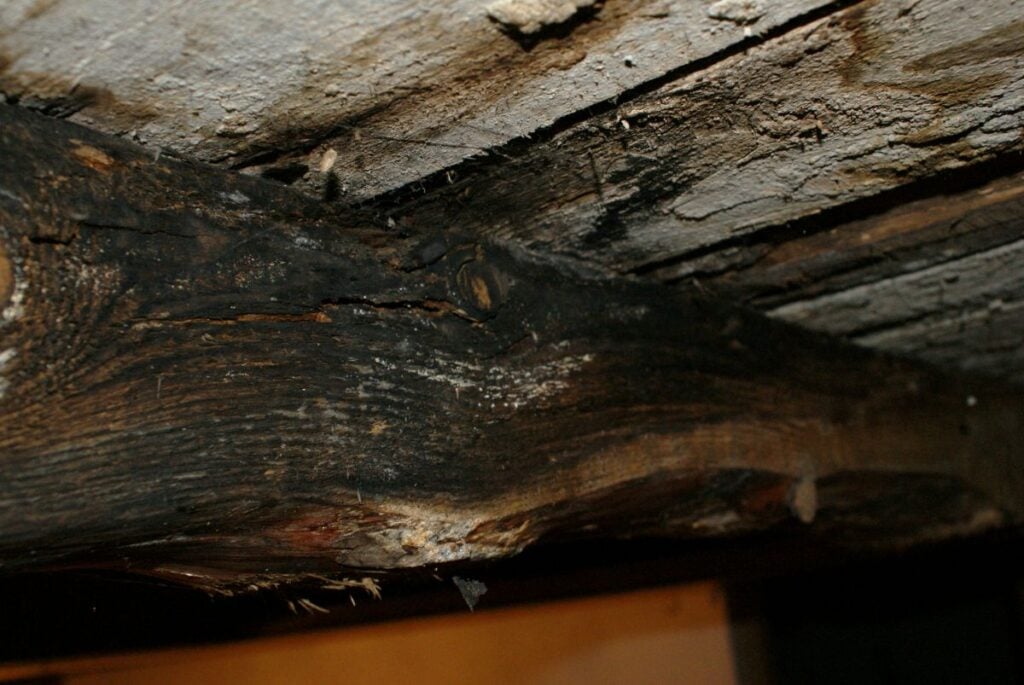
1. Water Stains on Rafters or Roof Decking
Discoloration on wood framing or plywood is often the first visible sign of moisture intrusion. Stains typically appear near nails, seams, or flashing points.
2. Active Dripping or Damp Surfaces
Drips during rainfall or damp wood after storms indicate an active leak. Even slow moisture buildup can cause long-term damage.
3. Musty or Moldy Odors
A persistent musty smell usually means moisture is present, even if mold is not yet visible. Odors often develop before stains appear.
4. Visible Mold Growth
Dark patches on wood, insulation, or drywall signal prolonged moisture exposure. Mold spreads quickly in enclosed attic spaces.
5. Wet or Compressed Insulation
Insulation should be dry and evenly distributed. Damp or flattened insulation indicates water absorption and reduced performance.
6. Daylight Visible Through Roof Boards
Light entering through roof decking means gaps or holes are present. These openings allow both air and water into the attic.
7. Rusted Nails or Metal Components
Rust on nails, brackets, or fasteners suggests prolonged humidity or direct moisture exposure from a leak.
8. Warped or Sagging Roof Decking
Bowed or softened decking indicates advanced water damage. This condition can compromise roof stability and requires immediate attention.
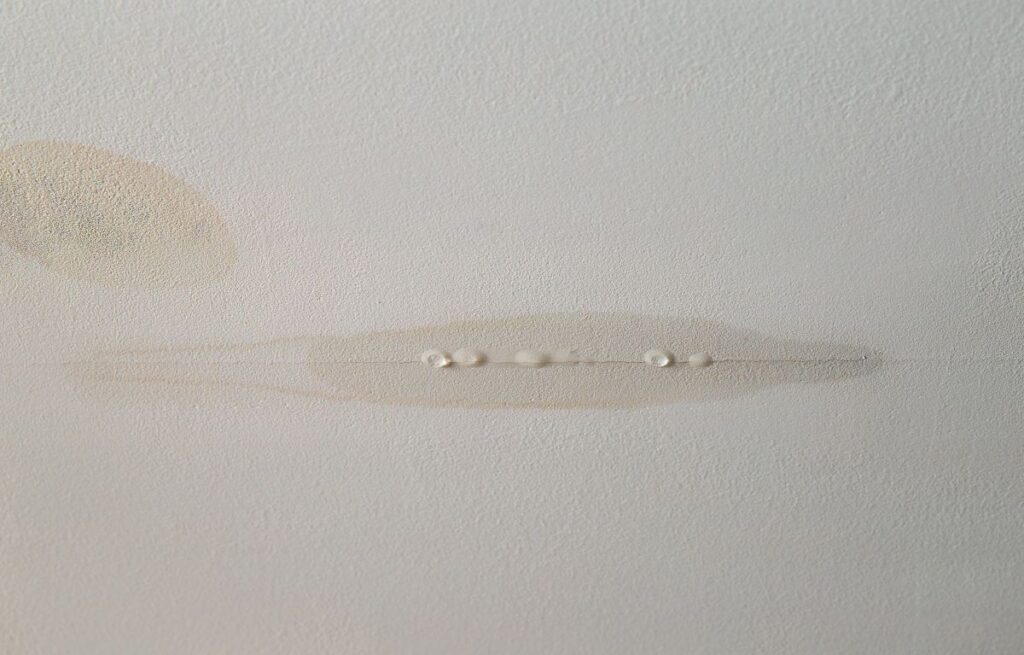
9. Ceiling Stains or Elevated Indoor Humidity
Leaks may first appear inside the home as stained ceilings, peeling paint, or increased humidity on upper floors.
Common Attic Leak Causes in Nichols Hills, OK
Homes in Nichols Hills and surrounding areas face unique roofing challenges due to regional weather patterns and architectural styles. Understanding these local risk factors helps homeowners stay proactive.
Aging roof systems are a major cause of attic leaks. Many homes in Nichols Hills have asphalt shingle roofs nearing the end of their service life. As shingles age, sealants dry out and flashing deteriorates, increasing the risk of water penetration.
High winds and hailstorms are also frequent contributors. Even when shingles appear intact from the ground, wind uplift or hail impact can create small gaps that allow moisture in. These subtle issues often show up first in the attic.
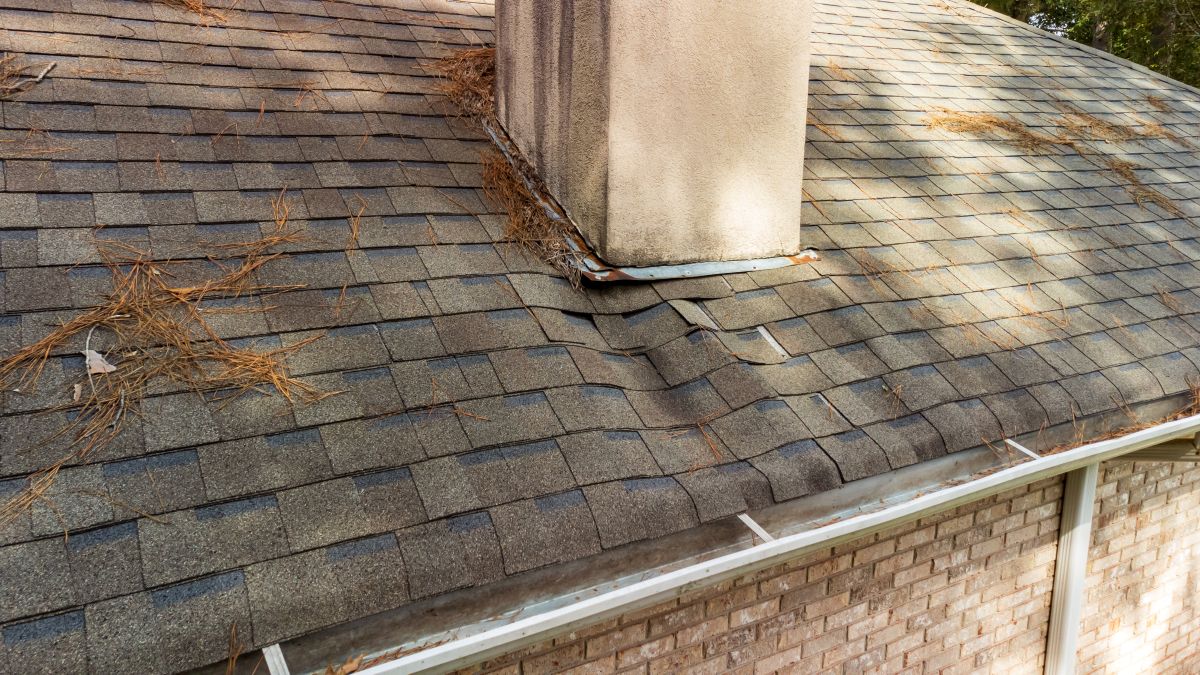
Additionally, many homes in this area feature steep rooflines, chimneys, and multiple valleys. While visually appealing, these design elements create more transition points—each one a potential site for flashing failure or water pooling.
What To Do If You Suspect an Attic Roof Leak
Taking the right steps early can significantly limit damage and repair costs.
Document the evidence by taking clear photos of stains, moisture, or mold. Track whether conditions worsen after rainfall. This documentation can help your roofing contractor pinpoint the leak source and assist with any insurance claims.
Protect the area by moving stored items away from wet spots and placing temporary barriers or containers beneath drips. Avoid walking on wet or sagging roof decking.
Then schedule a professional roof inspection. A qualified contractor can identify the root cause—whether it’s failed flashing, shingle damage, or ventilation issues—and recommend targeted solutions. Don’t wait for visible damage to appear in your living space before taking action.
Roof Leaks & Attic Damage in Oklahoma: Local FAQs
Homeowners in Nichols Hills, OK and nearby communities often face roofing concerns unique to Oklahoma’s climate. Below are the most common questions we receive from local homeowners.
What causes attic roof leaks in Oklahoma homes?
Roof leaks in Oklahoma are most often caused by hail, high winds, aging shingles, flashing failures, and poorly sealed roof penetrations. These issues are worsened by the region’s fluctuating temperatures and storm cycles.
How quickly can mold grow after a roof leak?
Mold can begin forming within 24 to 48 hours of moisture entering an attic. Oklahoma’s warm, humid climate makes quick growth more likely, especially in unventilated spaces.
Are attic leaks more common in older homes?
Yes. Older homes often lack modern roofing materials or proper attic ventilation, making them more vulnerable to leaks and moisture buildup over time.
Does homeowners insurance cover attic roof leaks?
If a leak results from a sudden event like hail or storm damage, it’s typically covered. Leaks caused by gradual wear and tear or neglect are usually not included in standard policies.
How often should Oklahoma homeowners inspect their attic?
Twice a year—ideally in spring and fall—and after any major weather event. Nichols Hills homeowners should be especially proactive during storm season when hail and wind events are more likely.
Can a small attic leak wait to be repaired?
No. Even small leaks can lead to rot, mold, insulation damage, and increased repair costs if left untreated. Early repairs are faster, safer, and more affordable.
Act Before Minor Leaks Become Major Repairs
Attic leaks rarely resolve on their own. What starts as a small stain or odor can quickly escalate into widespread damage if ignored.
For homeowners in Nichols Hills, OK and surrounding areas, recognizing the early signs of roof leak in attic is one of the most effective ways to protect your home’s structure, air quality, and value. If you’ve noticed musty smells, warped wood, or staining in your attic, the time to act is now.
Palladium Roofing offers detailed inspections, honest assessments, and expert repairs tailored to Oklahoma homes. Contact us today to schedule your attic or roof evaluation and let Palladium Roofing help you protect your home from the attic down.
Related Articles