What Is a Tar and Gravel Roof? (5 Best Benefits)
Amidst the choices of roofing materials, tar and gravel roofs often stand out as a sturdy, economic, and often overlooked solution for homeowners. Once hailed as a key player in the construction world, these roofs have slipped from the limelight, shadowed by the advent of more modern options. But their blend of robustness, reliability, and retro charm continues to find favor among those who seek an enduring, cost-effective shelter overhead.
Inside this blog:
- Unearthing the Origins of Tar and Gravel Roofs
- Step-by-Step Installation of This Durable Roof Option
- Best Benefits of a Tar and Gravel Roof Over Other Options
- Essential Maintenance Tips to Prolong Roof Life
This comprehensive guide is your passport to the world of tar and gravel roofs, unwrapping their layers of utility and character. Continue reading to discover more.
A Time-Tested Craft: Unearthing the Origins of Tar and Gravel Roofs
Before skyscrapers pierced the skies and suburban homes dotted the landscapes, tar and gravel roofs made their mark on ancient architecture. Historically, tar and gravel roofing, also known as built-up roofing (BUR), has been valuable for its weather resistance, capable of shielding structures from the elements. Residential use of this technique grew in the 1800s with the emergence of multi-layered systems applied to flat or low-sloped roofs, securing its place as a go-to choice for houses with such architectural features.
The Structure and Materials of a Tar and Gravel Roof
At the heart of every tar and gravel roof are layers of crucial elements that collectively stand as a bulwark against weather and time. The first line of defense begins with a vapor barrier, often constructed from a specialized membrane to prevent moisture from seeping into the building.
Next, a layer of insulation regulates the building’s temperature, reducing energy loss. On top of this, a membrane—either tar or, in modern incarnations, modified bitumen—adds another level of waterproofing, upon which the gravel, or aggregate, is laid.
Step-by-Step Installation of This Durable Roof Option
The installation of a tar and gravel roof is a methodical and precise process that demands attention to detail. Below is a basic guide to the complexities involved in bringing this roofing masterpiece to life on your home:
STEP 1 – Preparing the Substrate
The quality of the substrate dictates the longevity of the roof. All existing roofing material is removed, and the surface inspected for leveling and strength. Repairs are made, and a thoroughly cleaned deck is essential to the initial waterproofing stage.
STEP 2 – Waterproofing with Modified Bitumen
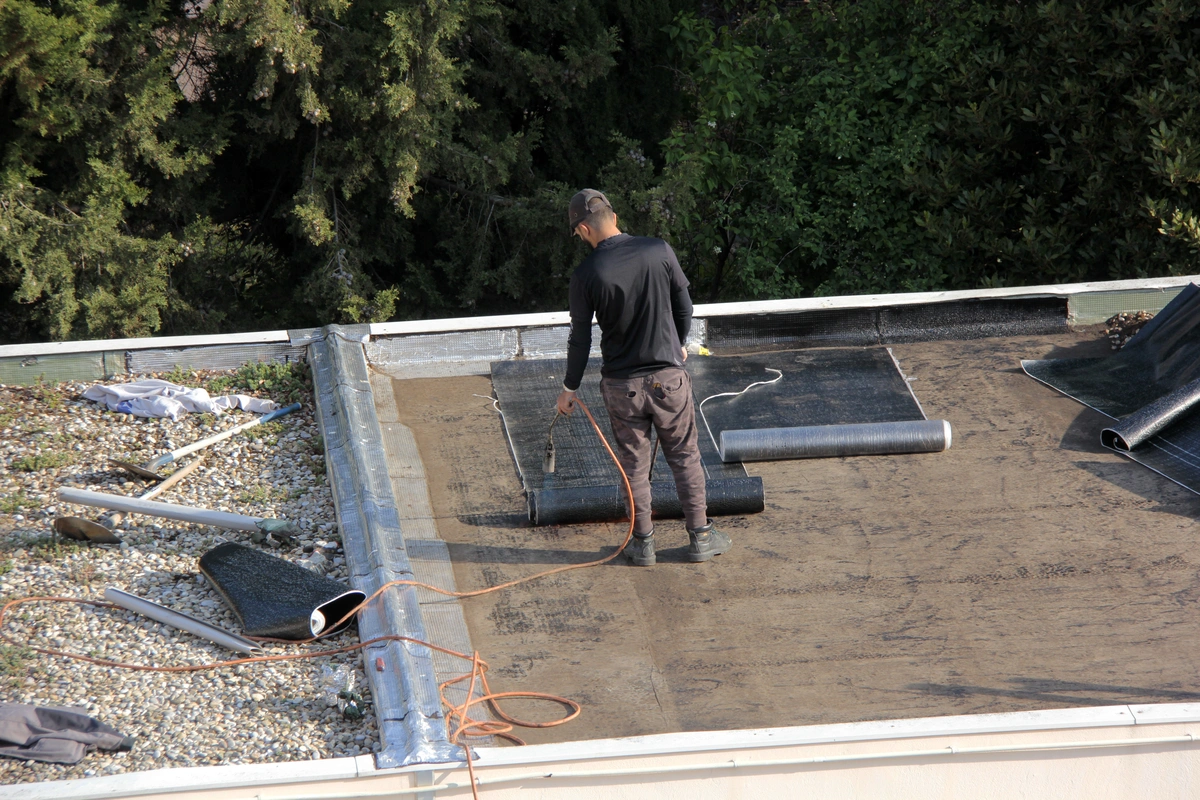
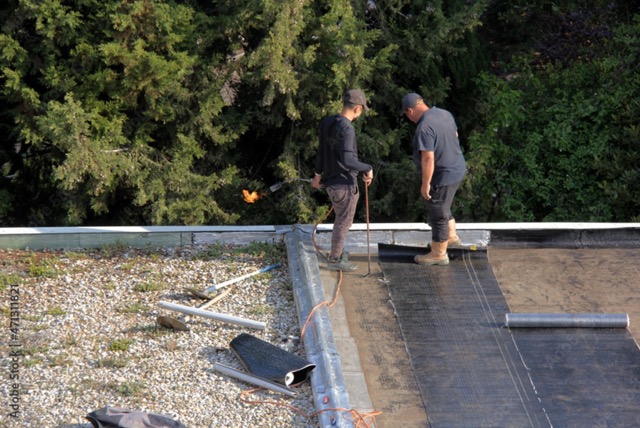
Modern tar and gravel roof installations often opt for modified bitumen, a variation that mixes bitumen with rubber or plastic for enhanced flexibility and weather resistance. This layer is carefully torched or mopped onto the surface to ensure a seamless, water-resistant bond.
STEP 3 – Aggregate Application
The final step is the application of aggregate, which can be gravel, river rock, or slag. This layer serves dual purposes—as a UV-protectant to the modified bitumen and as a critical weight distribution layer that prevents uplifting in strong winds.
The 5 Best Benefits of a Tar and Gravel Roof
Beyond the installation process, what truly sets tar and gravel roofing apart are its numerous benefits for homeowners. Here are some of the major selling points:
- Excellent Lifespan: With proper maintenance, a tar and gravel roof can last over 30 years, far surpassing the average lifespan of asphalt shingles.
- Economic Installation and Repair: The absence of intricate hardware and ease of repair translates to lower installation and maintenance costs compared to other roofing types.
- Superior Waterproofing: The multiple layers of tar and modified bitumen, reinforced by aggregate, offer an incredibly water-tight seal.
- Energy Efficiency: The gravel layer reflects sunlight, reducing the heat absorbed by the roof, and subsequently, the energy needed for air conditioning.
- Design Flexibility: Gravel roofs can be customized with a variety of stone colors and textures to match the aesthetic of any home.
Essential Maintenance Tips to Prolong Roof Life
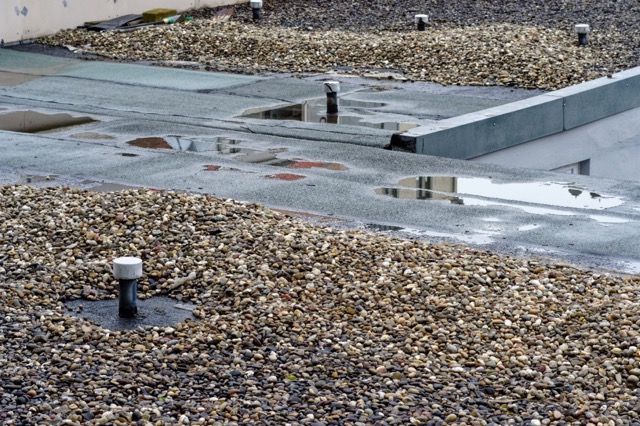
To ensure your tar and gravel roof’s longevity, regular maintenance is key. Here are some tips to keep in mind:
- Regular Inspections: A visual check twice a year can uncover potential problems such as punctures, tears, or areas with pooling water.
- Prompt Repairs: Address any damage immediately to prevent the spread of water infiltration and the growth of mold.
- Clear Debris: Regularly remove leaves, branches, and other debris to prevent buildup and keep drainage systems clear.
- Control Vegetation: Keep plant growth in check, especially in the seams and near the drains, as roots can cause structural damage over time.
Gravel Roofs’ Place in Sustainability and the Environment
In an era where environmental consciousness is paramount, tar and gravel roofs stand out with their eco-friendly attributes. The reflective properties of the gravel help reduce the urban heat island effect, where built-up areas become significantly warmer than surrounding rural areas. Furthermore, the materials used in these roofs are often recyclable, offering a sustainable edge over other roofing options.
A Review of Tar and Gravel Roofs Versus Competitors
It’s always helpful to benchmark roofing choices against their peers. Here’s how tar and gravel roofs measure up:
Tar and Gravel vs Asphalt Shingles
While asphalt shingles are a popular choice due to their color variety and lower upfront cost, they pale in comparison to the lifespan and environmental benefits of a tar and gravel roof.
Tar and Gravel vs Metal Roofs
Metal roofs excel in longevity and durability but come with a heftier price tag. While the installation cost of a tar and gravel roof might be lower, the long-term savings in energy cost and the controlled cooling of buildings can balance the financial benefits.
Making the Most of Your Tar and Gravel Roof Surface
The choice of a roofing material is a significant long-term investment for any homeowner. In the case of tar and gravel, the balance of classic appeal and modern-day utility is a proposition hard to ignore. However, as with any roofing system, meticulous attention to installation details, regular maintenance, and a clear understanding of its features are quintessential to reaping its full range of benefits.
If you’re considering a tar and gravel roof for your home, contact Palladium Roofing for expert service that will keep you snug, secure, and stylish under your tar and gravel roof.
Related Articles