
What Are Class 4 Shingles? (Are They Worth It?)
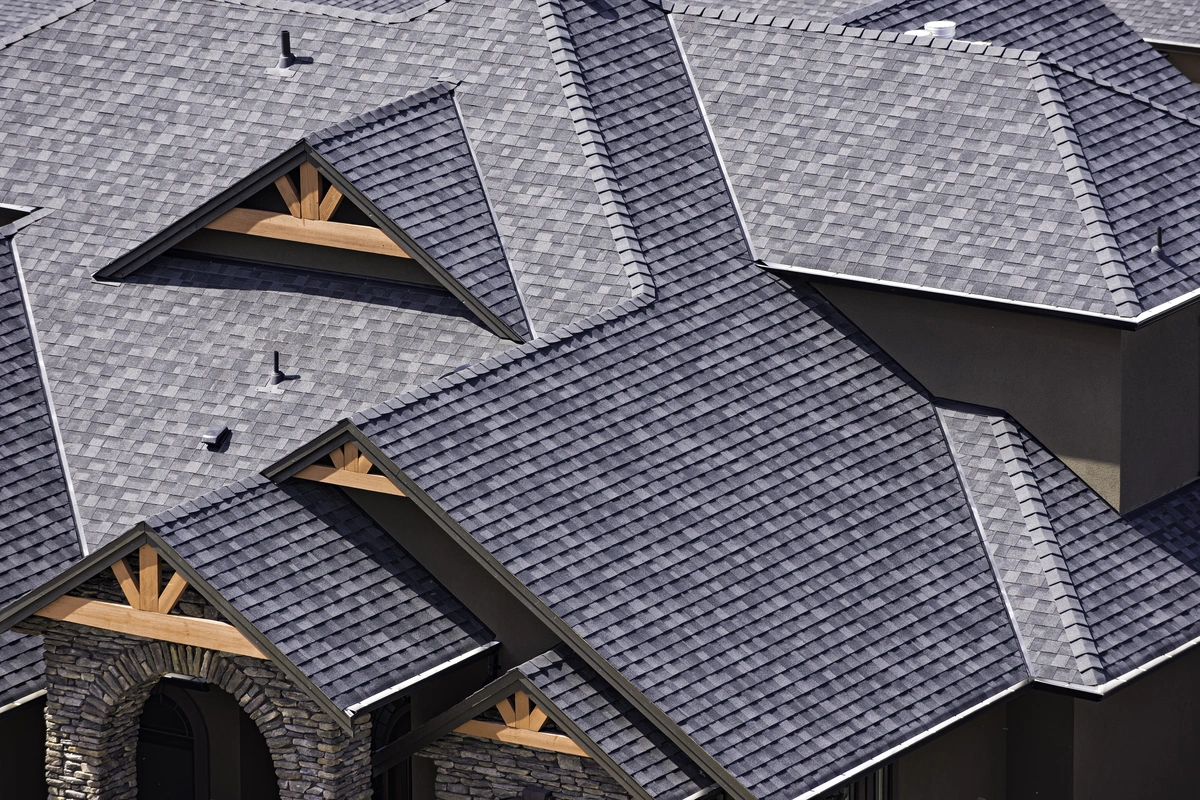
If you have started asking what are Class 4 shingles, the short answer is that they are impact resistant shingles built to survive a two inch steel ball test that simulates large hail without cracking through the reinforcing mat underneath. For homeowners in Norman and surrounding areas, where severe weather and spring hailstorms are practically an annual event, that rating can make a real difference in how long a roof holds up over time. This guide breaks down how the rating is tested, what a new roof with this upgrade costs, which products carry it, and whether the extra hail protection is worth paying for.
Here is a quick look at what this guide covers:
- What the UL 2218 Class 4 impact resistant rating actually measures
- How insurance premium discounts vary by carrier
- Which Class 4 shingle products are worth a closer look
- Whether impact resistant shingles are worth the extra upfront cost
Why the Class 4 Rating Deserves a Homeowner’s Attention
A shingle’s impact rating is not just a marketing label. It reflects how the roofing system holds up against the kind of severe weather, wind blown debris, and extreme weather events that show up almost every spring across this part of Oklahoma, and it can directly affect both roof damage frequency and insurance costs down the road. Homeowners who understand what actually happens to a roof after hail damage tend to take the Class 4 upgrade far more seriously than those comparing a standard asphalt shingle on looks alone.
- Fewer storm related claims: A tougher shingle means less cracking and granule loss after hail impacts, high winds, or other debris
- Lower long term costs: Fewer repairs and a longer usable lifespan offset the higher upfront price, adding up to real long term benefits
- Insurance premium credit: Many insurance providers reward Class 4 roofs with a discount on the wind and hail portion of a policy
- Stronger resale value: Buyers in hail prone areas increasingly ask about impact ratings and curb appeal before making an offer
These benefits compound over time rather than showing up all at once. A homeowner in Norman and surrounding areas who upgrades from standard asphalt shingles to Class 4 shingles is essentially trading a higher install cost today for fewer surprises, less time dealing with a roofing contractor after a storm, and a smaller annual premium for the life of the roof.
4 Steps Inside the UL 2218 Impact Test
Understanding how a shingle earns its Class 4 rating helps explain why the material costs more and performs better in the field. The UL 2218 Class 4 standard from Underwriters Laboratories is the industry rating system used to rate impact resistance across four ratings, Class 1 up through Class 4, and every step of the test is designed to mimic what a real hailstorm does to a rooftop rather than relying on a manufacturer’s own internal claims.
1. Select the Correct Steel Ball Size
Each class is tested with a different steel ball diameter, ranging from 1.25 inches for Class 1 up to 2 inches in diameter for Class 4, which is roughly the size of golf balls and better represents bigger, more damaging hailstones.
2. Drop the Ball From a Standardized Height
The ball is dropped from a fixed height calibrated to reproduce the impact energy of hail falling at terminal velocity, the same energy typically evaluated in independent lab testing, rather than an arbitrary drop distance.
3. Inspect the Underside for Cracking
After impact, technicians examine the underside of the shingle for any cracking or fracturing of the reinforcing mat. A more flexible material, often reinforced with polymer modified asphalt, tends to absorb the blow rather than crack, since surface dents alone do not disqualify a product.
- A pass means no cracking through the reinforcement layer
- A single failed sample point can affect the overall rating
4. Repeat Across Multiple Sample Areas
The drop test is repeated at several points on multiple shingle samples to confirm the result is consistent rather than a one off pass.
A Class 4 rating means the shingle passed this entire process at the toughest ball size, which is why it carries the highest rating for impact resistance that UL currently offers, well above Class 3 shingles. Manufacturers often highlight this testing prominently because it is one of the few impact claims backed by an independent, standardized process rather than internal marketing data, though other factors like installation quality still matter.
Top Class 4 Shingle Products Worth Considering
Not every Class 4 impact resistant shingle looks or performs the same way, even though all roofing shingles in this category share the same underlying rating. Material composition, warranty terms, and color and style options can vary quite a bit between roofing products, which makes it worth comparing a few options with enhanced durability before settling on one.
- Malarkey Legacy and Vista: Built with rubberized asphalt and manufactured right here in Oklahoma
- GAF Timberline AS II: A widely available option with a layered laminate design for added impact absorption
- Owens Corning Duration STORM: Uses a proprietary SureNail strip for added wind resistance alongside the impact rating
- CertainTeed Landmark Pro: Pairs Class 4 impact resistance with a heavier, more dimensional shingle profile
- Atlas StormMaster: Built with polymer modified asphalt and marketed specifically for hail prone regions
Homeowners weighing these choices can explore the full lineup of impact-resistant shingle options to compare limited warranty terms, colors, and pricing side by side. Picking the right product often comes down to matching the shingle’s warranty terms, curb appeal, and compatibility with proper attic ventilation rather than chasing the lowest price on paper.
Insurance Discounts by Carrier
One of the biggest financial incentives for choosing Class 4 shingles is the potential insurance premium discounts on a homeowners policy. Because impact resistant roofs file fewer hail related insurance claims, many insurance companies are willing to pass some of those savings back to policyholders, though the exact amount depends heavily on the specific company, the state, and how the policy is structured.
| Carrier | Typical Class 4 Discount Range |
| State Farm | Up to 20 percent on wind and hail coverage |
| USAA | Up to 20 percent on wind and hail coverage |
| Allstate | Around 10 to 15 percent, varies by policy |
| Farmers | Around 10 to 15 percent, varies by policy |
| Liberty Mutual | Discount available, amount varies by state |
These figures are general ranges rather than guarantees, and nothing here should be read as an express or implied warranty of specific savings, since not all insurance companies offer discounts the same way and every carrier sets its own schedule. Some require documentation proving the shingle’s UL 2218 rating, and local building codes may also affect which products qualify. Homeowners considering a claim related roof replacement can also read more about how to get insurance to help cover the cost of upgrading to a Class 4 system after storm damage.
See if your insurer offers a Class 4 premium discount before assuming the upgrade is out of budget. A quick call to your insurance agent, combined with input from a trusted roofing contractor, often reveals savings that many homeowners in Norman and surrounding areas do not realize are available.
Frequently Asked Questions About Class 4 Shingles
A few questions come up again and again once homeowners start comparing Class 4 shingles to standard architectural options. The answers below cover the most common concerns in plain, straightforward terms so the decision feels less overwhelming.
Are Class 4 shingles actually worth the extra cost?
For homes in hail prone areas, the combination of fewer repairs, a longer lifespan, and potential insurance premium discounts often makes the upgrade worthwhile over time, even though the upfront price is higher.
How much more do Class 4 shingles cost than standard shingles?
Class 4 shingles typically add a few thousand dollars to a full roof replacement compared to a standard asphalt shingle, depending on roof size, roof slope, product choice, and local labor rates.
Does every insurance company offer a discount for Class 4 roofs?
No. Discounts vary widely by insurance provider and state, and some do not offer a specific credit at all, so it is worth confirming directly with an insurance agent.
Do Class 4 shingles look different from standard shingles?
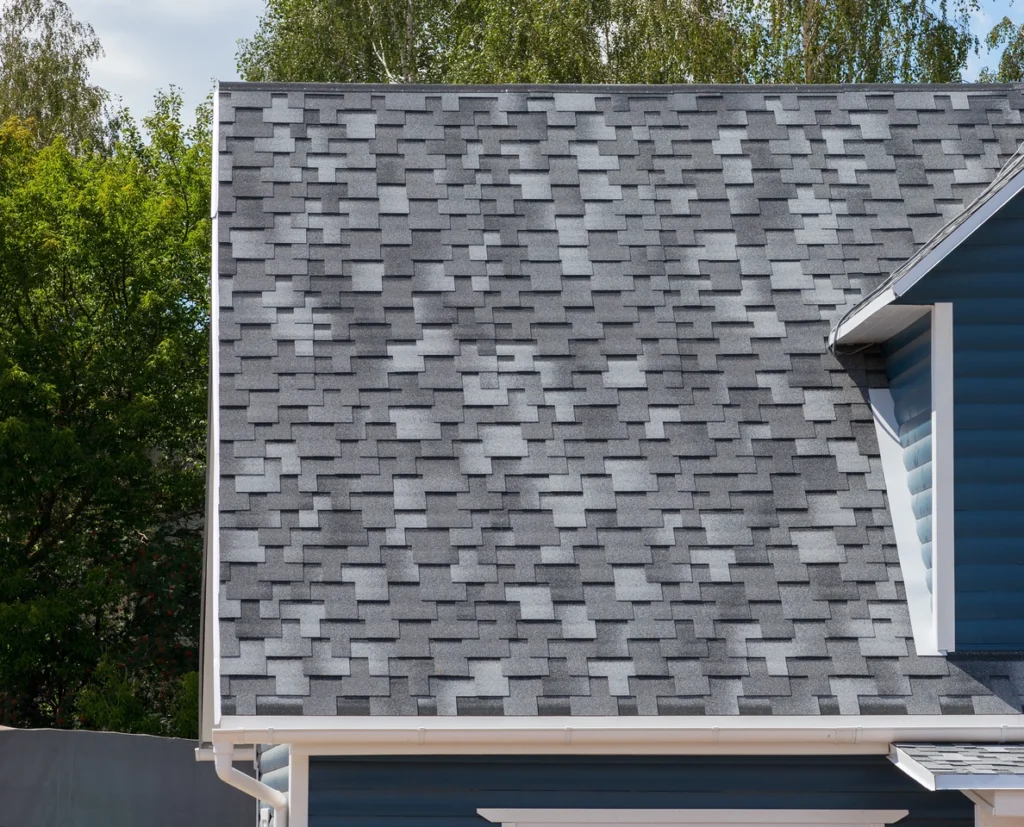
Most Class 4 products are designed to closely match the look of a standard asphalt shingle, preserving curb appeal, so the visual difference on the roof is usually minimal.
How long do Class 4 shingles typically last?
Many Class 4 products carry a limited warranty in the same range as premium architectural shingles, often 30 years or more with proper installation, regular maintenance, and periodic inspections after storms that cause significant damage, especially those involving hail or high winds.
These are the questions that come up most often, but every roof and policy is a little different depending on weather conditions and other factors. A direct inspection paired with a quick call to the insurance carrier is usually the fastest way to get a clear answer.
Protect Your Home With a Class 4 Roof
Choosing a Class 4 shingle is one of the more effective ways to protect a home against the hail and wind events that regularly move through Norman and surrounding areas. Between the added durability, the potential insurance savings, and the peace of mind that comes with a proven impact rating, it is an upgrade that tends to pay for itself well before the roof reaches the end of its warranty.
Palladium Roofing can walk through product options, help confirm which shingles qualify for local insurance discounts, and handle the installation from start to finish with a crew that understands the region’s weather patterns. Reach out to the team and contact us today to get a clear estimate and find out whether a Class 4 upgrade makes sense for your home.