
What You Actually Pay on a Roof Insurance Claim
After a hailstorm, one of the first things homeowners want to know is how much of the bill will come out of their own pocket. The amount you owe on a roof insurance claim is rarely zero, but it is usually more predictable than people expect once they understand the moving parts. As a team that spends every storm season repairing hail and wind damaged roofs, we hear these questions constantly. Here are straightforward answers from the roofer’s side of the project.
Understanding Your Deductible
For most homeowners, the deductible is the largest single out-of-pocket cost on a roof claim. These answers explain how it works in Oklahoma.
Q: What is a deductible on a roof claim?
A: Your deductible is the portion of a covered loss you agree to pay before insurance contributes. It is subtracted from the insurance payment, so you typically pay that amount to your roofer as part of the total project cost. Your deductible applies per claim, and the exact figure appears on your declarations page.
Q: Why is my wind and hail deductible a percentage?
A: Many Oklahoma policies use a separate wind and hail deductible based on a percentage of your dwelling coverage instead of a flat dollar amount. For example, a 1% deductible on a home insured for $250,000 equals $2,500, while 2% equals $5,000. Check your policy so the number does not surprise you.
Q: Can a roofer waive or cover my deductible?
A: No. According to Roofing Contractor magazine, an Oklahoma law that took effect in 2022 bars roofers from waiving insurance deductibles, and insurers do not have to consider estimates from contractors who break it. A legitimate roofer will never offer to absorb your deductible.
Depreciation and Your Policy Type
Depreciation is the part of a claim that confuses homeowners most. How it affects you depends largely on the type of policy you carry.
Q: What is depreciation on a roof claim?
A: Depreciation reflects the age and wear of your existing roof. Insurers usually subtract it from the first payment, which is why the initial check is often smaller than the full replacement estimate. Whether you eventually receive that withheld amount depends on whether your policy pays replacement cost value or actual cash value.
Q: What is the difference between RCV and ACV?
A: A replacement cost value (RCV) policy typically releases withheld depreciation after the work is finished, so your main cost is the deductible. An actual cash value (ACV) policy usually does not pay depreciation back, which means you cover that difference yourself. Some policies switch roofs to ACV after a certain age.
Q: When do I receive the depreciation payment?
A: On an RCV policy, the depreciation check usually arrives after the project is complete and your roofer submits the final invoice to your insurance company. Timelines vary by carrier. Planning for a gap between the first check and project completion helps you keep the job on schedule without financial stress.
Costs Insurance May Not Cover
Even with a solid policy, some project costs can fall outside the approved claim. Knowing these ahead of time helps you budget accurately.
Q: Will insurance pay for building code upgrades?
A: It depends on whether your policy includes ordinance or law coverage. Local codes may require items your old roof never had, such as updated ventilation or new drip edge. With that coverage, these items are often paid. Without it, code-required upgrades may become your responsibility, so ask your agent before work begins.
Q: What if I want to upgrade my roofing materials?
A: Insurance generally pays to restore what you had, not to improve it. If you choose a higher grade of shingle, impact-resistant shingles, or a different material, you usually pay the price difference. Some upgrades, like Class 4 shingles, may lower future premiums, so they can still be worth considering.
Q: Does insurance cover old wear or pre-existing damage?
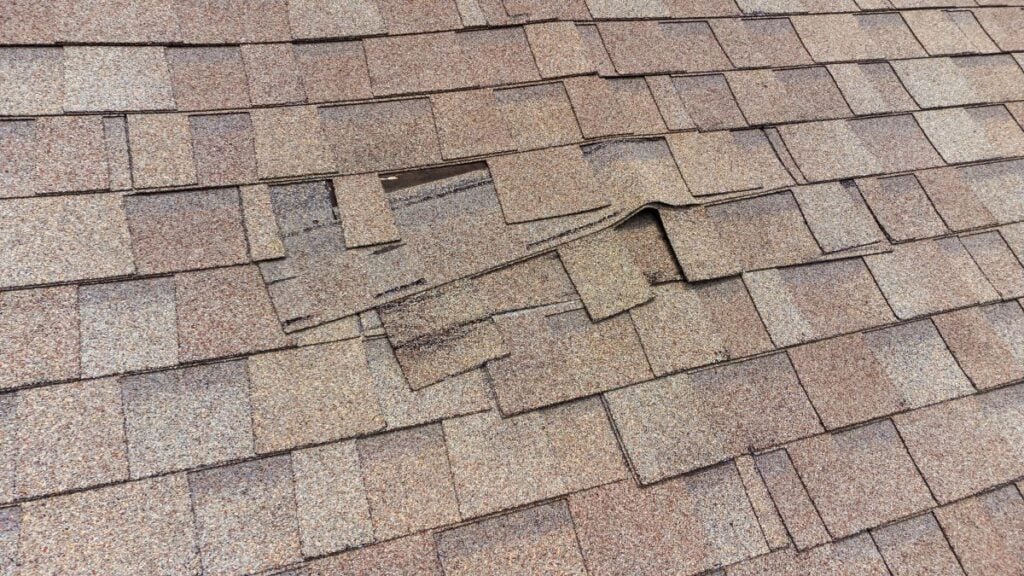
A: Typically not. Homeowners insurance covers sudden damage from a covered event, not normal aging or problems that existed before the storm. If your roofer finds long-term leaks or rotted decking unrelated to the claim, those repairs are usually your cost. A good roofer will separate these items clearly on the estimate.
Working With Your Roofer During a Claim
Understanding what your roofer can and cannot do keeps the process clear for everyone involved. These answers explain the roofer’s role.
Q: What does a roofer do during an insurance claim?
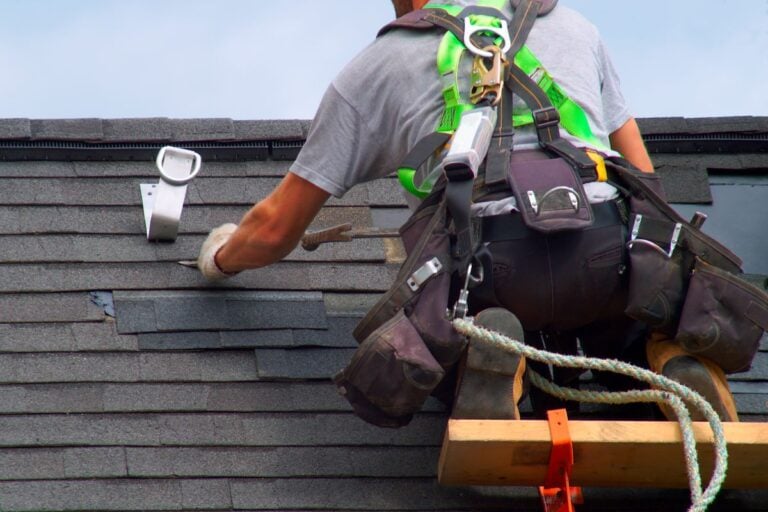
A: A roofer inspects the roof, documents storm damage with photos, and prepares a detailed estimate for the work your home needs. Many roofers can also be on site when the insurance adjuster inspects to point out documented damage. Your insurance company reviews the claim and decides what is covered under your policy.
Q: Can my roofer negotiate my claim for me?
A: No. A roofer is not a public adjuster or an attorney, and only licensed professionals in those roles can negotiate a claim on your behalf. Your roofer can provide accurate information about your roof and the work required, but coverage decisions and negotiations stay between you and your insurer.
Q: How do insurance payments usually arrive?
A: Payments often come in two parts: an initial check and, on RCV policies, a later depreciation check. If you have a mortgage, your lender may be listed on the check and need to endorse it. Keep copies of every check, estimate, and invoice so your records stay organized throughout the project.
Plan Ahead for Your Out-of-Pocket Costs
Most homeowners find that their deductible is the largest cost on a roof claim, with depreciation, code items, and upgrades shaping the rest. Understanding those pieces early helps you budget calmly and make confident decisions after a storm. At Palladium Roofing, we offer complimentary inspections, detailed damage documentation, and clear, itemized estimates so you know exactly what your roof needs. If your home has storm damage, contact us today to schedule your free inspection.
Related Articles