
Should Your Roofer Be at the Insurance Adjuster Inspection?

When a storm hits Oklahoma with hail or wind damage, one of the first things on your calendar is usually a visit from your roof insurance adjuster. Many homeowners wonder whether they should invite their roofer to the insurance adjuster inspection or simply let the adjuster handle it alone. The short answer is that having a qualified roofer on-site can make a real difference in how thoroughly your roof gets examined. When you are dealing with the aftermath of hail and wind damage, a second set of trained eyes on the roof helps ensure nothing important is missed. This guide explains why your roofer’s presence matters, what they can and cannot do during the visit, and how to prepare so the inspection goes smoothly.
Here’s what you’ll learn in this guide:
- Why a roofer’s presence at the inspection is worth considering
- Six practical benefits of having your roofer on-site
- Where a roofer’s role ends and a public adjuster’s begins
- How to prepare before, during, and after the visit
Why Your Roofer’s Presence Can Make a Difference
An insurance adjuster may inspect dozens of roofs in a single week after a major weather event, and most adjusters have limited time at each property while following carrier guidelines. Your roofer, on the other hand, may have already spent time on your roof, photographed specific areas, and noted conditions that are easy to overlook during a quick inspection process. In Oklahoma, this kind of collaboration is clearly permitted. According to the Oklahoma Insurance Department, a roofing contractor may be present when the insurance adjuster inspects the damage and may answer the adjuster’s questions.
Having your roofer there offers several advantages:
- A more complete inspection: Your roofer can point out damage they found earlier, including storm related damage on multiple slopes the adjuster might not notice right away.
- Clear technical answers: Questions about shingle type, roof slope, layers, ventilation, or flashing can be answered on the spot by someone who knows your specific roof.
- Less guesswork for you: You do not need to understand roofing terminology or climb a ladder to make sure the roof is examined carefully.
- Better alignment on repairs: When both professionals see the same conditions at the same time, it becomes easier to understand the repair scope your roof may need.
Having a roofing contractor present does not change the fact that the adjuster decides on the claim, but it can help ensure the adjuster has the full picture of your roof’s condition.
6 Reasons To Have Your Roofer at the Adjuster Inspection
Not every homeowner needs a roofer at the inspection, but in most roofing claims, the benefits are hard to ignore. Here are six reasons to consider inviting a trusted roofing professional to the appointment.
1. Palladium Roofing and Other Trusted Roofers Know Your Roof Firsthand
A local roofer who has already inspected your home brings valuable firsthand knowledge to the adjuster visit. At Palladium Roofing, every project begins with a complimentary inspection, and the team’s HAAG-certified inspection expertise helps identify storm damage accurately. That background means the roofer can walk straight to the areas that need attention instead of starting from scratch.
- Familiarity with specific damaged areas found during the initial inspection
- Photo documentation and notes taken before the adjuster meeting
- Knowledge of your roof’s age, materials, and layout
2. Subtle Damage Is Less Likely to Be Overlooked
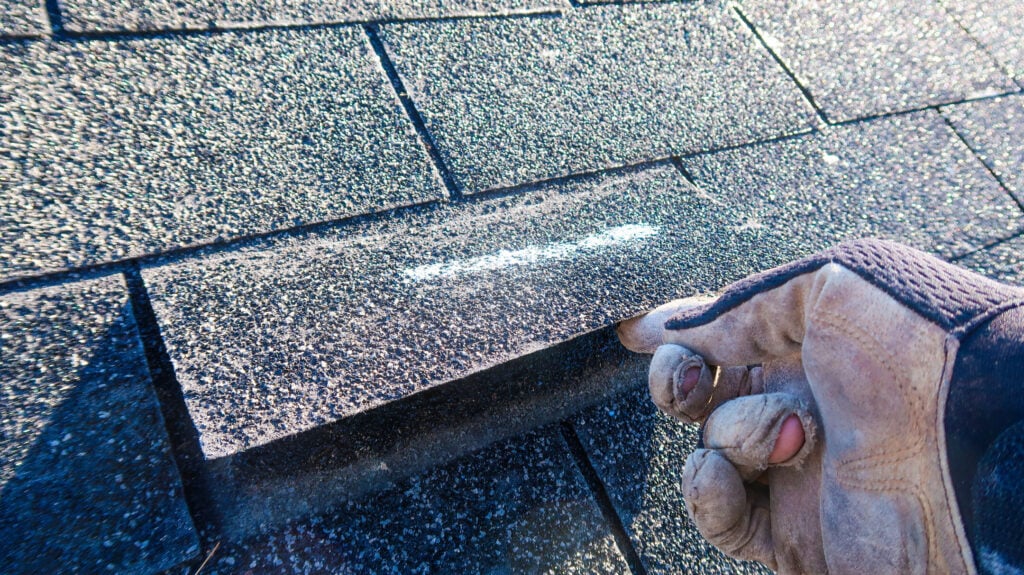
On a hail claim, damage is not always obvious, especially on asphalt shingles where bruising and granule loss can be hard to spot. Many adjusters count hail hits within a test square on each slope, and a roofer who knows where to look can point out details beyond it.
- Metal accessories such as vents, flashing, and gutters
- Shingle bruising, cracks, and missing granules
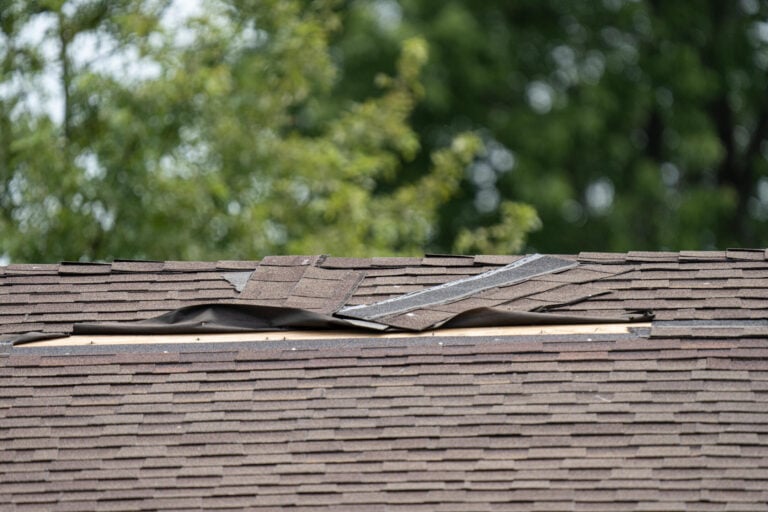
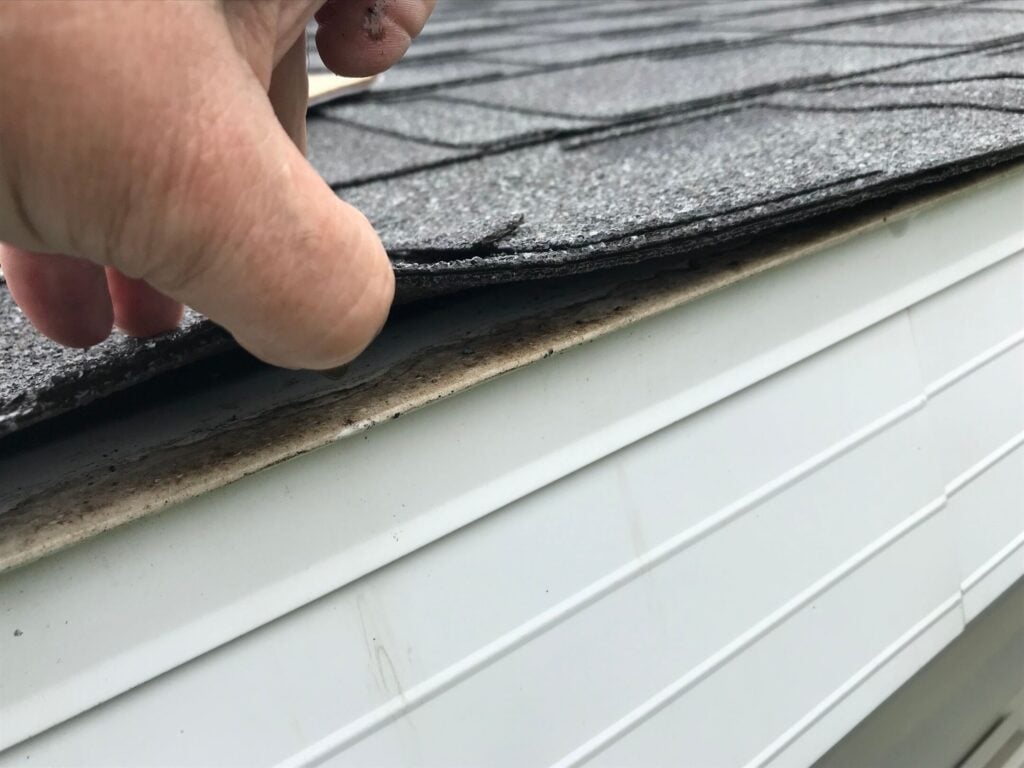
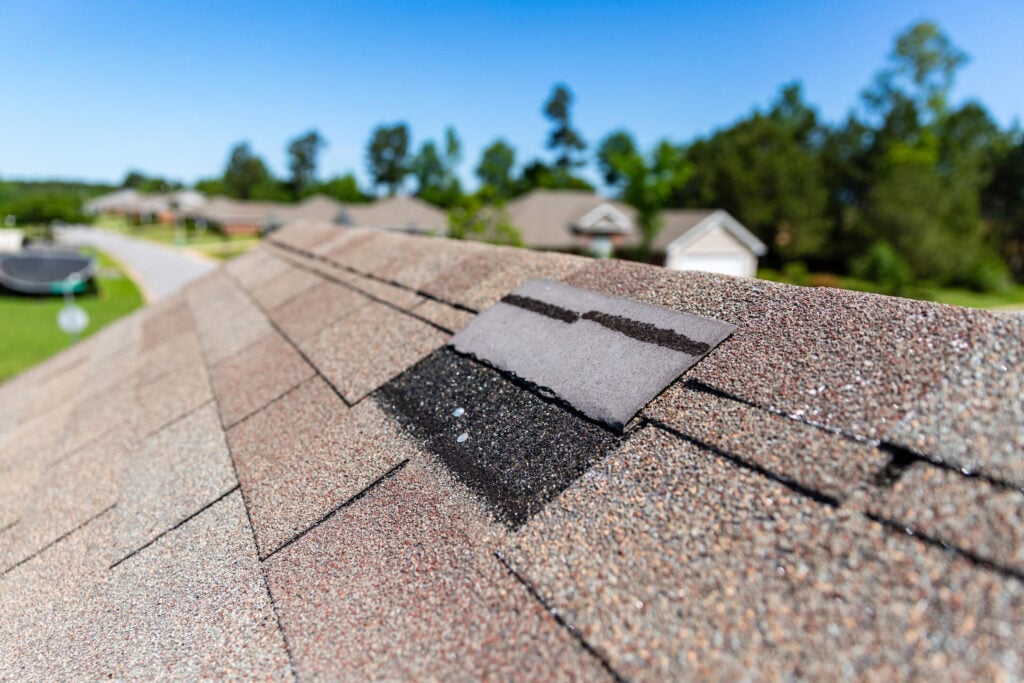
- Missing shingles, wind-lifted shingles, and damaged ridge caps
- Signs of roof leaks, such as ceiling stains or damp insulation in the attic
3. Technical Questions Get Answered Right Away
Adjusters often have questions about how a roof was built, what materials were used, or whether damage is functional damage or cosmetic damage that only affects appearance. Your roofer can provide those answers immediately, which keeps the inspection moving and reduces the chance of storm damage being mistaken for gradual deterioration, improper installation, or pre-existing wear.
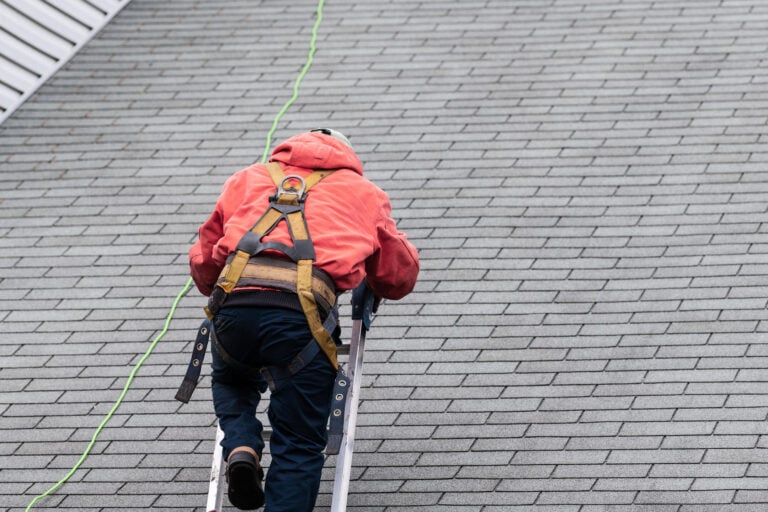
4. You Can Stay Safely on the Ground
Climbing onto a roof is risky, particularly when shingles are damaged or wet. With your roofer on-site, you do not need to go up yourself to see what the adjuster is examining.
5. Your Repair Estimate Reflects What Was Seen
Oklahoma allows a roofing contractor to provide an estimate of repairs that the homeowner may choose to submit to their insurer. When your roofer sees the same conditions the adjuster sees, their written scope is grounded in a shared understanding of the damage, which can make the repair conversation more straightforward.
6. Fewer Surprises Later
When everyone views the roof together, there is less room for misunderstandings about what was or was not inspected. That can help reduce the need for follow-up visits or additional documentation and keep your repair timeline on track.
Each of these benefits comes down to the same idea: more expertise on the roof leads to a clearer, more accurate picture of the damage. For most homeowners, that peace of mind is well worth a short phone call to schedule their roofer for the appointment.
Where a Roofer’s Role Ends and a Public Adjuster’s Begins
It is important to understand that a roofer and a public adjuster are not the same thing. Oklahoma law draws a clear line between the two roles, and knowing the difference helps you avoid confusion and choose the right professional for each part of the process.
What Your Roofer Can Do
A roofing contractor’s role centers on your roof itself. Within Oklahoma’s guidelines, a roofer may:
- Offer an opinion on whether roof damage appears to come from a weather event, such as hail or wind
- Recommend that you file a claim with your insurance company
- Provide a written repair estimate, or contractor’s scope, that you may submit to your insurer
- Attend the adjuster’s inspection and answer the adjuster’s questions
What Your Roofer Cannot Do
According to the same Oklahoma Insurance Department guidance, a roofing contractor must be licensed as a public adjuster to negotiate a claim, advocate on your behalf, or act as an intermediary between you and your insurer. A reputable roofer will not:
- Negotiate your claim settlement or represent you to insurance carriers
- Ask you to sign a power of attorney authorizing them to act on your behalf
- Interpret your policy, including actual cash value, replacement cost value, or a cosmetic damage exclusion
- Promise to waive or cover your deductible, which Oklahoma law prohibits
When a Public Adjuster or Attorney May Make Sense
If you have coverage questions, face claim denials, want help with the appraisal process or supplement process, or want someone to represent your interests in negotiations, that work belongs to a licensed public adjuster or an attorney. These professionals are separate from your roofing contractor, and you can verify an adjuster’s license through the Oklahoma Insurance Department.
Blurring these roles can create conflict, so keeping them distinct protects you and ensures every professional involved is working within the law. A trustworthy roofer will be upfront about these boundaries and focus on what they do best: evaluating and repairing your roof.
How To Prepare for the Adjuster Visit
A little preparation goes a long way toward a smooth, productive inspection. Use the timeline below to stay organized before, during, and after the adjuster arrives at your home.
| Stage | What You Should Do | Your Roofer’s Role |
| Before the visit | Photograph visible damage like missing shingles, note the storm date and hail size, and gather your policy information | Complete an initial roof inspection and document areas of concern |
| Scheduling | Share the adjuster’s appointment time with your roofer as soon as it is set | Confirm availability and plan to arrive on time |
| During the visit | Greet the adjuster, stay nearby, and ask questions about the process | Point out damage on the roof and answer the adjuster’s technical questions |
| After the visit | Request a copy of the adjuster’s report and review it carefully | Explain roofing details in the report, share their roof inspection report, and provide a repair estimate |
A few additional tips can make the day even easier:
- Keep a storm file: Store photos, dates, receipts for temporary repairs, and all communication in one place.
- Do not make permanent repairs early: Temporary fixes like tarping are fine, but wait on full repairs until the roof has been inspected.
- Write down names and numbers: Record your claim number and the adjuster’s contact information for easy reference.
- Ask about timelines: Find out when you can expect the adjuster’s report and what happens next in the claims process.
- Keep maintenance records: Records of routine maintenance help show the condition of older roofs before the storm.
Preparation helps you feel confident and keeps the process moving.
Get Expert Eyes on Your Roof After the Storm
The insurance roof inspection is one of the most important steps after storm damage, and having a knowledgeable roofer present can help ensure your roof is examined thoroughly and accurately. While your insurance company makes the claim decision, a skilled roofer brings the technical expertise that helps everyone understand your roof’s true condition. If your home has been hit by hail or high winds, Palladium Roofing is ready to start with a complimentary, no-obligation roof inspection and clear answers about what your roof needs. Contact us today to schedule your inspection and ask about having our team on-site when your adjuster visits.
Related Articles