What Commercial Roofing Systems Are Common in Yukon, Ok?
Choosing the right roofing system for a commercial property is one of the most important decisions building owners can make. Climate, energy efficiency, maintenance needs, and long term durability all play a role in determining which roof performs best. If you have been wondering what commercial roofing systems are common in Yukon, Ok, understanding the most widely used options can help you protect your investment and avoid costly surprises down the road. Many local property owners turn to trusted roofing solutions for commercial buildings when evaluating the best fit for their facilities.
In this guide, you will learn:
- Which commercial roofing systems are most common in the region
- How Oklahoma weather affects roofing performance
- The pros and cons of different roofing materials
- What building owners should consider before replacement or installation
- How regular maintenance can extend the life of a commercial roof
Why Commercial Roofing Choices Matter in Yukon, OK
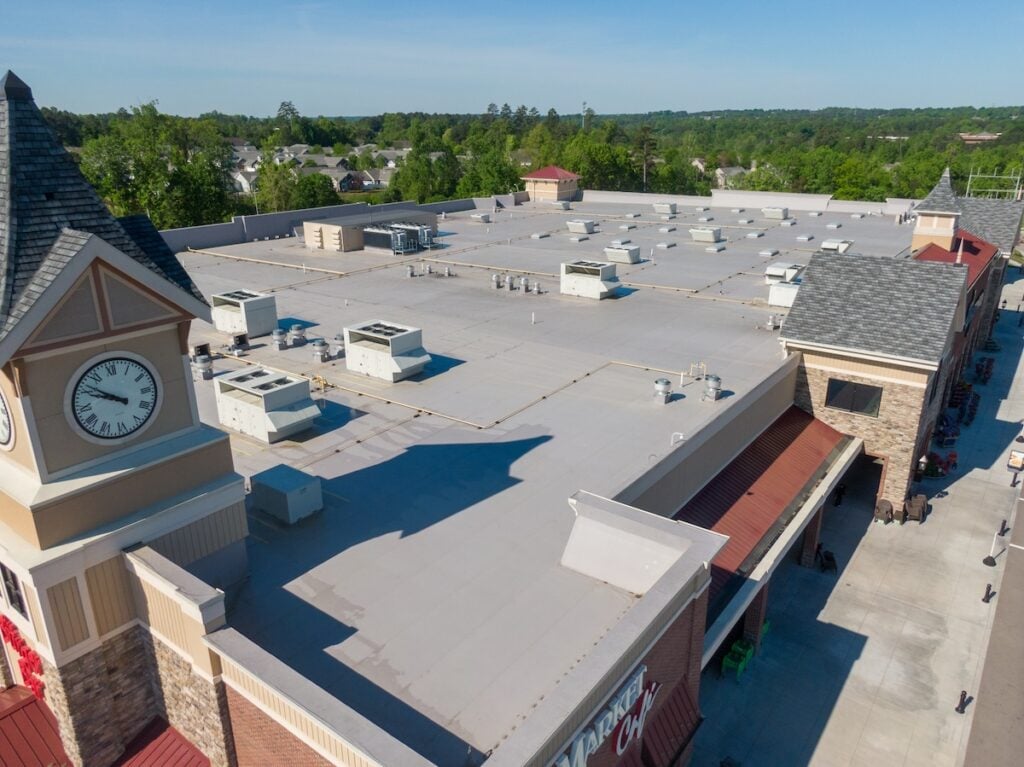
Commercial roofing is about much more than keeping water out of a building. The right system can improve energy efficiency, reduce maintenance costs, protect equipment, and even extend the lifespan of the structure itself. Property owners in Yukon, OK and surrounding areas often deal with extreme temperature swings, high winds, hailstorms, and heavy rain throughout the year. Those weather conditions make roofing selection especially important.
A poorly matched roofing system can lead to leaks, insulation issues, rising utility costs, and premature failure. On the other hand, the right roofing solution can provide decades of dependable protection with minimal disruptions to daily operations.
Here are a few key reasons why roofing system selection matters:
- Energy Savings: Reflective roofing materials can help lower cooling costs during hot Oklahoma summers.
- Storm Protection: Durable systems are better equipped to handle hail, wind, and severe weather events.
- Long Term Value: Choosing a longer lasting material can reduce replacement frequency and repair expenses.
- Business Continuity: Reliable roofing minimizes downtime caused by leaks or structural concerns.
- Property Appearance: A well maintained roof contributes to the professional appearance of a commercial building.
Commercial properties in Yukon, OK and surrounding areas vary widely, from warehouses and retail centers to office buildings and industrial facilities. Because each structure has different demands, roofing systems must be selected carefully based on building size, drainage needs, and expected traffic on the roof surface.
5 Most Common Commercial Roofing Systems in Yukon, OK
Several roofing systems are commonly installed on commercial buildings throughout the region. Each option has distinct advantages depending on the property’s goals, budget, and environmental exposure.
1. TPO Roofing Systems
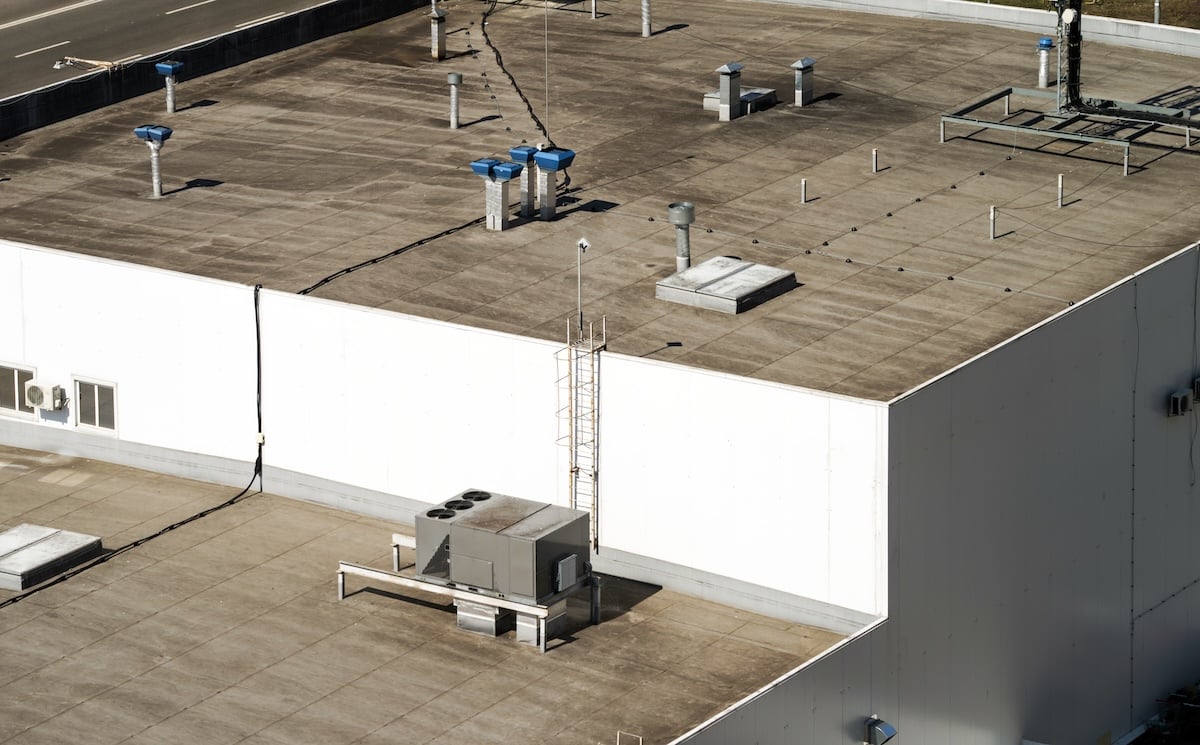
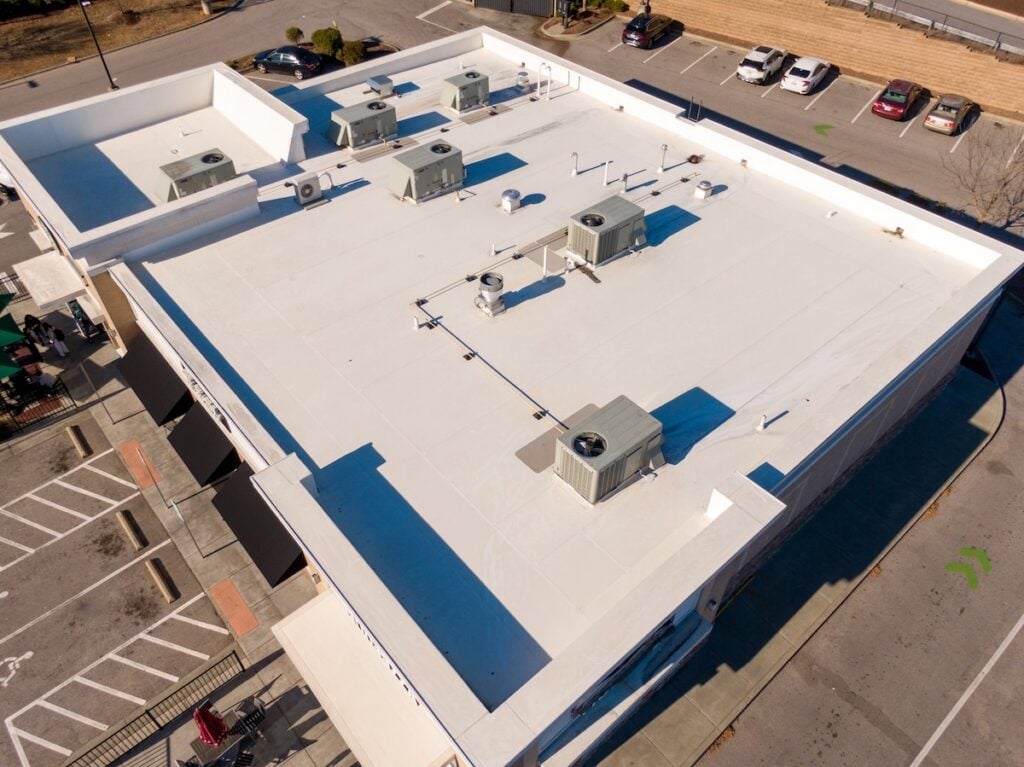
Thermoplastic Polyolefin, commonly called TPO, has become one of the most popular commercial roofing systems in recent years. TPO membranes are especially common on flat and low slope commercial buildings because they offer excellent energy efficiency and weather resistance.
TPO roofs are typically white or light colored, helping reflect sunlight away from the building. This can reduce heat absorption and lower indoor cooling demands during the summer.
Benefits of TPO roofing include:
- Strong resistance to UV exposure
- Energy efficient reflective surface
- Welded seams for leak protection
- Lightweight installation
- Competitive installation costs
TPO roofing is commonly found on:
- Retail centers
- Office buildings
- Restaurants
- Medical facilities
- Warehouses
Because Yukon, OK and surrounding areas experience intense summer heat, many building owners choose TPO for its ability to improve overall energy performance.
2. Modified Bitumen Roofing
Modified bitumen roofing has remained a trusted choice for commercial buildings for decades. This asphalt based roofing system is reinforced with materials that improve flexibility and durability.
Modified bitumen roofs are often installed in layers, creating a strong waterproof barrier that performs well against standing water and fluctuating temperatures.
Advantages of modified bitumen include:
- Excellent waterproofing performance
- Durable under foot traffic
- Strong resistance to tears and punctures
- Reliable cold weather flexibility
- Long proven track record
This roofing system is commonly used for:
- Schools
- Apartment complexes
- Government buildings
- Industrial properties
Many commercial property owners appreciate modified bitumen because it balances affordability with dependable protection.
3. EPDM Rubber Roofing
EPDM stands for Ethylene Propylene Diene Monomer, but most people simply refer to it as rubber roofing. EPDM has been a widely used commercial roofing option for decades because of its durability and relatively simple installation process.
EPDM membranes are usually black, though lighter color options are also available. The material performs especially well in buildings where flexibility and impact resistance are priorities.
Key benefits of EPDM roofing include:
- Long lifespan
- Strong resistance to weather damage
- Flexible under temperature changes
- Lower maintenance needs
- Cost effective installation
EPDM roofs are often selected for:
- Industrial buildings
- Distribution centers
- Large warehouses
- Manufacturing facilities
Building owners in Yukon, OK and surrounding areas often choose EPDM for large scale properties where durability and affordability are major concerns.
4. Metal Commercial Roofing
Metal roofing systems continue to grow in popularity throughout Oklahoma because of their exceptional durability and longevity. Commercial metal roofs are available in multiple styles and materials, including standing seam panels and corrugated systems.
Metal roofs are especially attractive for businesses looking for a long term investment with minimal maintenance requirements.
Benefits of commercial metal roofing include:
- Excellent wind resistance
- Long service life
- Fire resistance
- Energy efficiency
- Modern appearance
Metal roofing is commonly installed on:
- Agricultural facilities
- Churches
- Industrial buildings
- Office complexes
- Storage facilities
Because severe weather can impact the area throughout the year, many property owners appreciate the storm resilience that metal roofing provides.
5. Built Up Roofing Systems
Built Up Roofing, often called BUR, is one of the oldest commercial roofing systems still widely used today. BUR roofs are made by layering asphalt and reinforcing fabrics to create a durable finished surface.
This multi layer construction provides strong waterproofing and excellent redundancy if one layer becomes damaged.
Advantages of BUR systems include:
- Strong waterproof protection
- Excellent durability
- Reliable insulation support
- Proven long term performance
- Resistance to heavy traffic
BUR roofs are often installed on:
- Older commercial buildings
- Industrial facilities
- Schools
- Large flat roof structures
Although newer roofing technologies are available, BUR systems still remain a practical choice for some commercial applications.
Factors That Influence Roofing System Selection
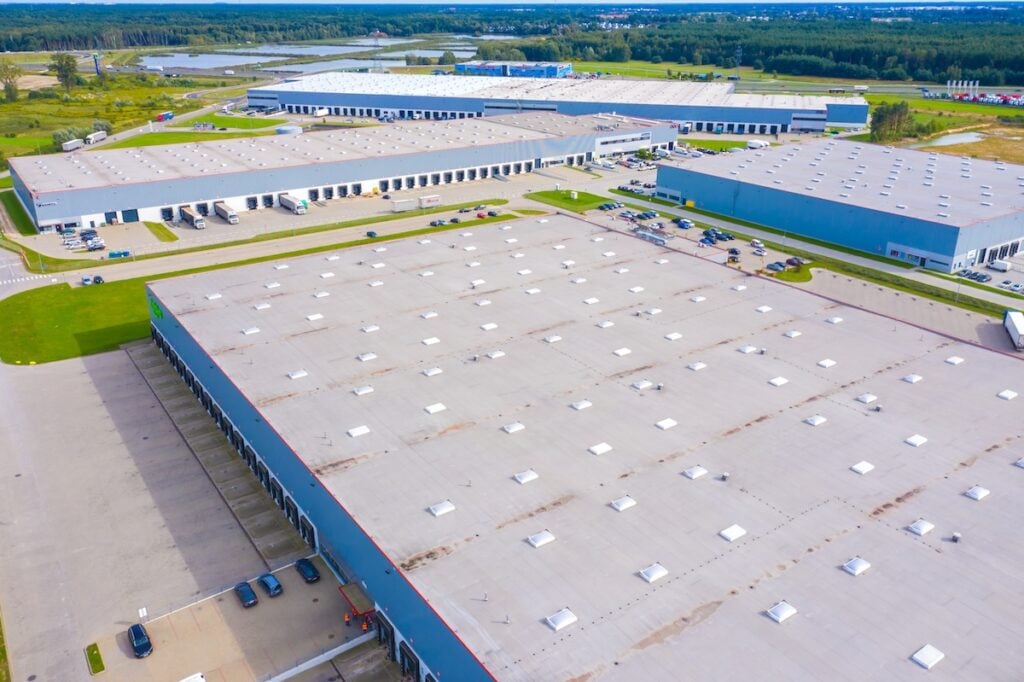
No single roofing material works best for every commercial property. Building owners should evaluate several important factors before making a final decision.
The roofing system that works perfectly for one facility may not be ideal for another. Understanding how each factor affects performance can help avoid expensive problems later.
Building Design and Roof Slope
Roof slope plays a major role in determining which systems are appropriate. Flat and low slope roofs are common on commercial properties, but drainage patterns vary significantly.
For example:
- TPO and EPDM are common for low slope roofs
- Metal roofing may work better on steeper slopes
- Modified bitumen performs well on buildings with moderate rooftop traffic
The structure’s overall design also affects installation methods, insulation choices, and ventilation requirements.
Weather Conditions in Oklahoma
Oklahoma weather can be extremely demanding on commercial roofs. High winds, hail, severe thunderstorms, and temperature swings all contribute to roofing wear over time.
Property owners in Yukon, OK and surrounding areas should prioritize systems that offer:
- Wind uplift resistance
- Impact resistance
- UV protection
- Reliable waterproofing
Storm resistant materials can significantly reduce repair frequency after severe weather events.
Energy Efficiency Goals
Many building owners today focus heavily on reducing energy costs. Reflective roofing systems help minimize heat transfer into the building, especially during hot summers.
Energy efficient roofing features may include:
- Reflective membranes
- Improved insulation
- Ventilation enhancements
- Cool roof coatings
Reducing energy consumption can lower monthly operating expenses while improving indoor comfort for employees and customers.
Expected Roof Traffic
Some commercial roofs experience frequent foot traffic from HVAC technicians, maintenance crews, or equipment servicing teams.
Roofs with regular traffic often benefit from:
- Reinforced membranes
- Walkway pads
- Durable multi layer systems
- Impact resistant surfaces
Ignoring traffic demands can lead to premature membrane damage and increased leak risks.
Budget and Long Term Planning
While upfront cost matters, property owners should also consider the total lifetime value of the roofing system.
Questions worth asking include:
- How long will the roof last?
- What maintenance is required?
- How often are repairs expected?
- What are the long term energy savings?
Sometimes a higher initial investment results in significantly lower costs over the life of the roof.
How Maintenance Impacts Commercial Roofing Performance
Even the best commercial roofing systems require ongoing maintenance to perform properly. Small issues that go unnoticed can eventually lead to expensive repairs, structural damage, or business interruptions.
Routine inspections are especially important after severe weather events, which are common throughout Yukon, OK and surrounding areas. Catching damage early can extend the life of the roof and reduce emergency repair costs.
Common Commercial Roofing Problems
Commercial roofs face constant exposure to environmental stress. Over time, certain issues become more likely to develop.
Some of the most common roofing concerns include:
- Ponding water
- Membrane punctures
- Flashing failures
- Seam separation
- Drainage blockages
- Storm damage
Many roofing problems begin as small maintenance concerns before escalating into larger structural issues.
The Importance of Regular Inspections
Professional roof inspections allow contractors to identify vulnerabilities before they cause major problems. A proactive maintenance approach can significantly extend roof lifespan.
Routine inspections often include:
- Checking seams and flashing
- Inspecting drainage systems
- Looking for punctures or cracks
- Evaluating storm damage
- Reviewing rooftop equipment areas
Scheduling inspections twice per year is often recommended for commercial buildings.
Preventive Maintenance Saves Money
Preventive maintenance helps building owners avoid expensive emergency repairs and unexpected downtime.
Benefits of ongoing maintenance include:
- Longer roof lifespan
- Lower repair costs
- Improved energy efficiency
- Better leak prevention
- Reduced disruption to operations
Commercial roofs represent a major investment. Protecting that investment through regular maintenance is one of the smartest decisions a property owner can make.
Comparing Commercial Roofing Systems for Different Property Types
Different industries often have unique roofing requirements. Understanding how roofing systems align with building use can simplify the selection process.
| Roofing System | Best For | Typical Lifespan | Maintenance Level |
| TPO | Retail, offices, restaurants | 20 to 30 years | Moderate |
| EPDM | Warehouses, industrial buildings | 25 to 30 years | Low |
| Modified Bitumen | Schools, apartments | 20 to 25 years | Moderate |
| Metal Roofing | Industrial and agricultural facilities | 40 to 70 years | Low |
| Built Up Roofing | Large flat roof structures | 20 to 30 years | Moderate |
This comparison highlights why there is no universal solution for every property. Building goals, climate exposure, and operational needs all influence the ideal roofing system.
Choosing the Right Contractor Matters
Even the highest quality roofing materials can fail if installation is poor. Proper workmanship is essential for long term roofing performance.
When evaluating roofing contractors, property owners should look for:
- Commercial roofing experience
- Knowledge of local building codes
- Manufacturer certifications
- Strong communication
- Detailed inspection processes
Experienced contractors can also help property owners understand warranty coverage, maintenance recommendations, and long term care planning.
Signs It May Be Time for Roof Replacement
Some commercial roofs eventually reach a point where replacement becomes more cost effective than ongoing repairs.
Common warning signs include:
- Frequent leaks
- Rising energy bills
- Visible membrane deterioration
- Persistent ponding water
- Extensive storm damage
- Aging beyond expected lifespan
If these issues continue to appear, a full roofing assessment may help determine the most practical path forward.
Protect Your Commercial Property With the Right Roofing System
Understanding what commercial roofing systems are common in Yukon, OK helps property owners make informed decisions that protect their buildings for years to come. Whether your facility needs the energy efficiency of TPO, the durability of metal roofing, or the flexibility of EPDM, selecting the right system can improve performance, reduce costs, and minimize long term headaches.
Commercial roofs in Yukon, OK and surrounding areas face demanding weather conditions year round, which makes professional guidance especially valuable. If you are evaluating repair, replacement, or maintenance options for your commercial property, Palladium Roofing can help you identify the best solution for your building’s needs. Reach out to contact us today to schedule a consultation and learn more about protecting your investment with dependable commercial roofing expertise.
Related Articles