
What Is a FORTIFIED Roof and How Is It Different
Oklahoma homeowners hear about FORTIFIED roofs more every storm season, but many are still unsure what the term actually means. A FORTIFIED roof is built to a voluntary standard from the Insurance Institute for Business & Home Safety (IBHS) that goes beyond typical building code to better resist wind, rain, and hail. As installers certified in the FORTIFIED standard, we answer these questions often, and you can see how we approach FORTIFIED roofing for Oklahoma homes. Below are clear answers to the questions we hear most.
Understanding the FORTIFIED Standard
Before comparing construction details, it helps to know where the standard comes from and what it is designed to do. These answers cover the basics.
Q: What exactly is a FORTIFIED roof?
A: A FORTIFIED roof is a complete roofing system built to meet the FORTIFIED Roof standard developed by IBHS. It uses specific materials and installation methods designed to keep the roof deck attached, keep water out, and resist hail. The work is documented and verified before the home earns an official designation.
Q: Who created the FORTIFIED standard?
A: The standard was developed by the Insurance Institute for Business & Home Safety, a nonprofit research organization supported by the insurance industry. IBHS tests how homes perform in severe weather and uses that research to set construction requirements. The program is voluntary, so homeowners choose to build to it.
Q: Is FORTIFIED a brand of shingle?
A: No. FORTIFIED is a construction standard, not a product line. Many manufacturers make materials that can be used in a FORTIFIED system, but the designation depends on the entire roof being installed to the standard, including the deck, fasteners, underlayment, vents, and roof covering, not just the shingles.
How a FORTIFIED Roof Is Built Differently
Most of what sets a FORTIFIED roof apart happens beneath the shingles. These are the construction differences homeowners ask about most.
Q: What is a sealed roof deck?
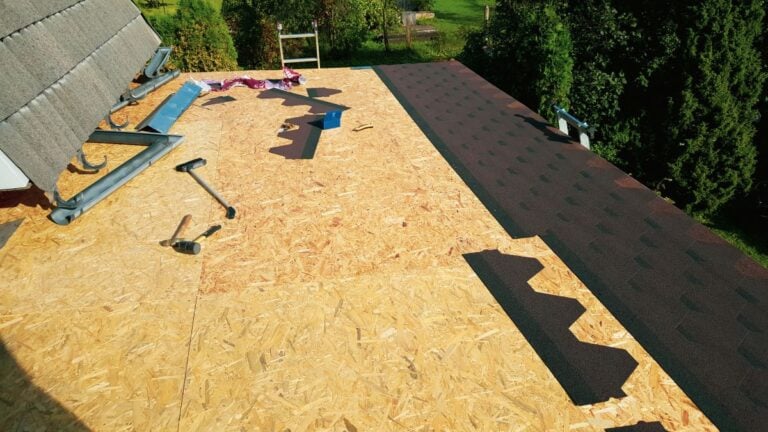
A: On a standard roof, the seams between sheathing panels are usually covered only by underlayment. A FORTIFIED roof seals those seams with roof deck tape or covers the entire deck with a self-adhered membrane. If shingles blow off during a storm, the sealed deck helps keep water from pouring into your attic.
Q: How is the roof deck attached differently?
A: The FORTIFIED standard requires roof sheathing to be fastened with 8d ring-shank nails at specific spacing. Ring-shank nails have raised rings along the shaft that grip the framing much better than smooth nails. This helps keep the deck in place when high winds try to lift it off the rafters.
Q: Do the shingles have to be impact rated?
A: For the FORTIFIED Roof High Wind and Hail designation used in Oklahoma, yes. The roof covering must meet impact rating requirements referenced by IBHS. Your installer should confirm that the specific product qualifies under the current standard before installation, since product approval matters for certification.
Q: Does a FORTIFIED roof look different from a regular roof?
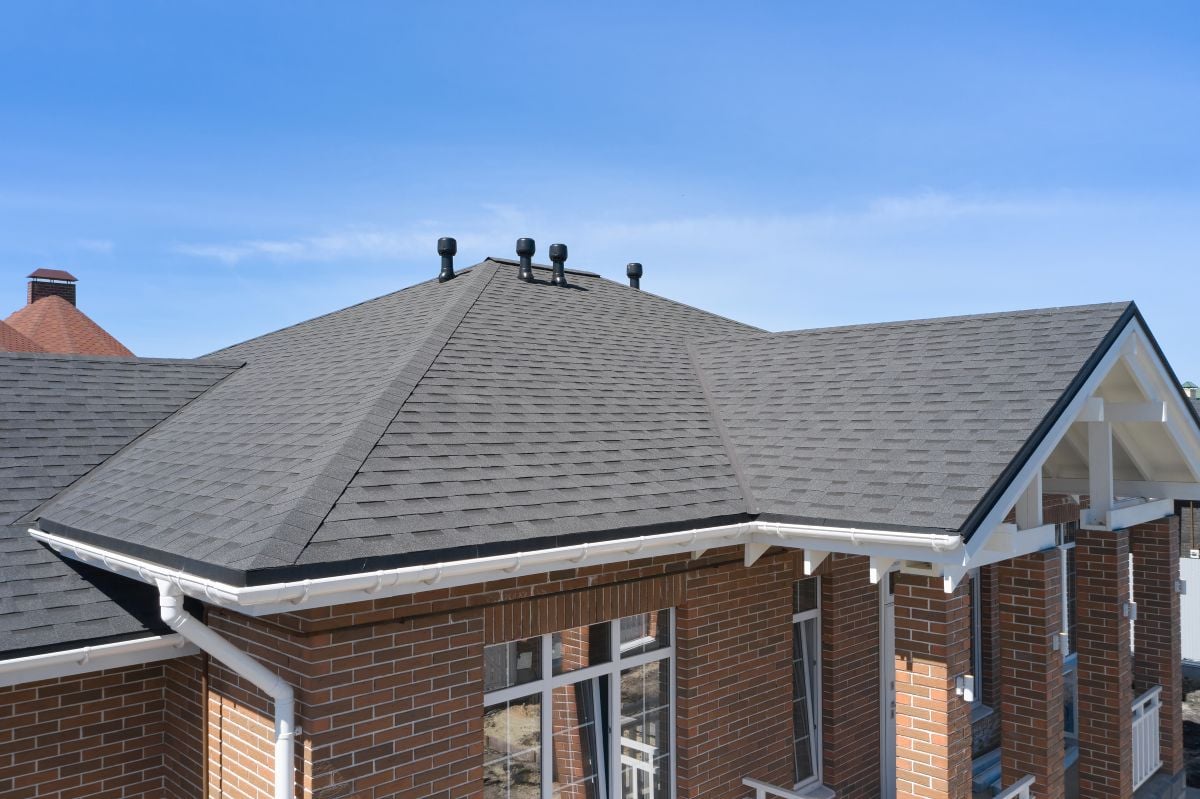
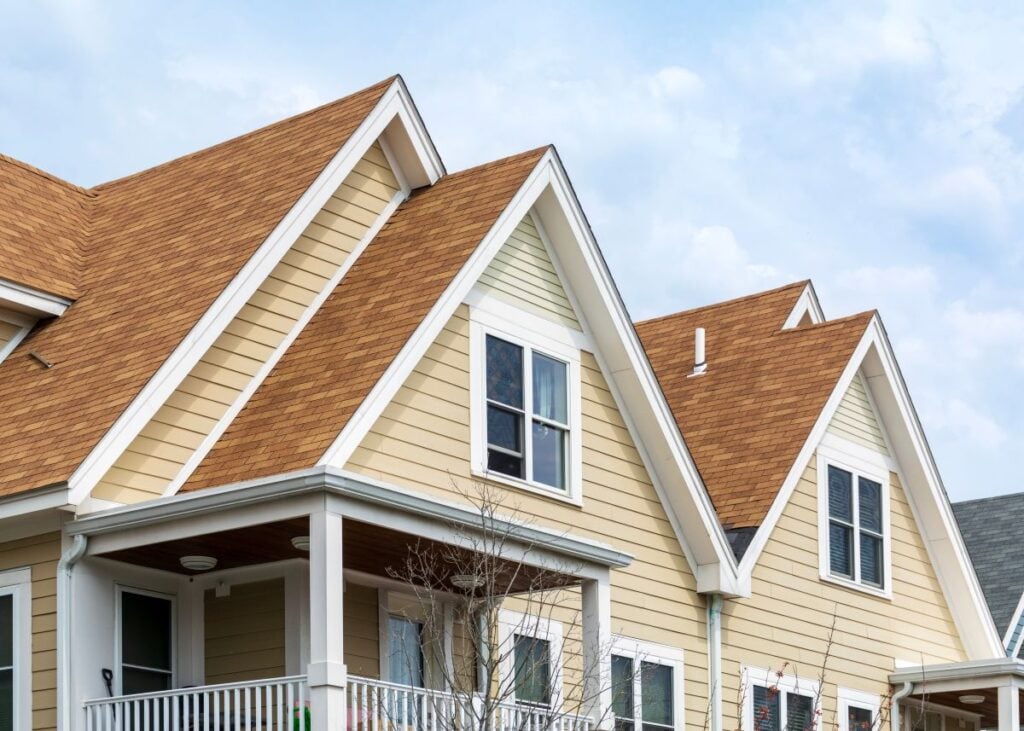
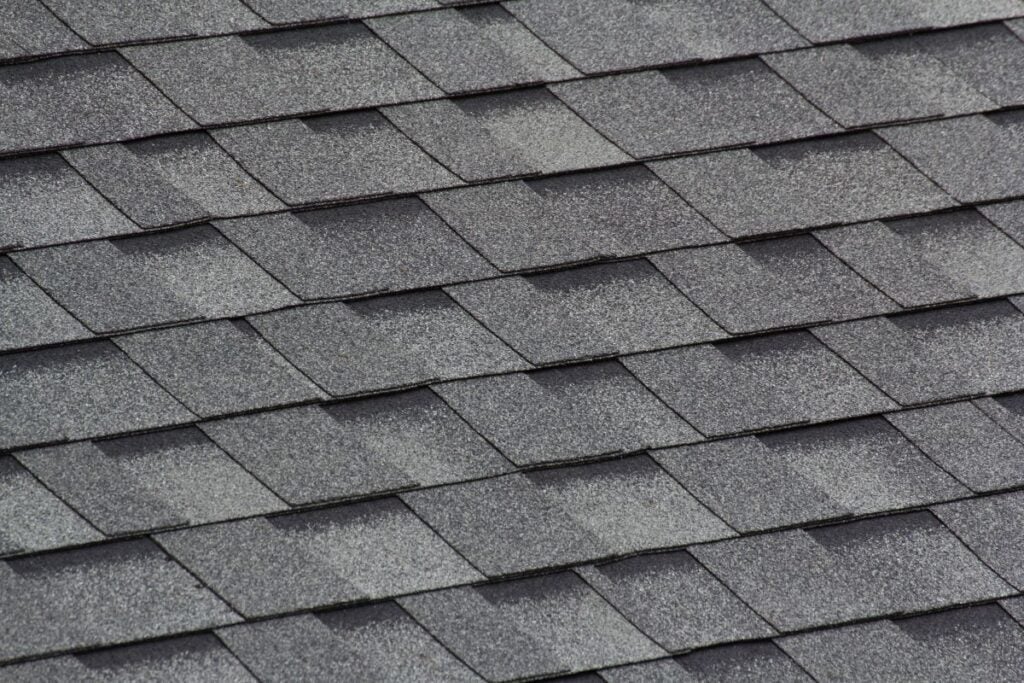
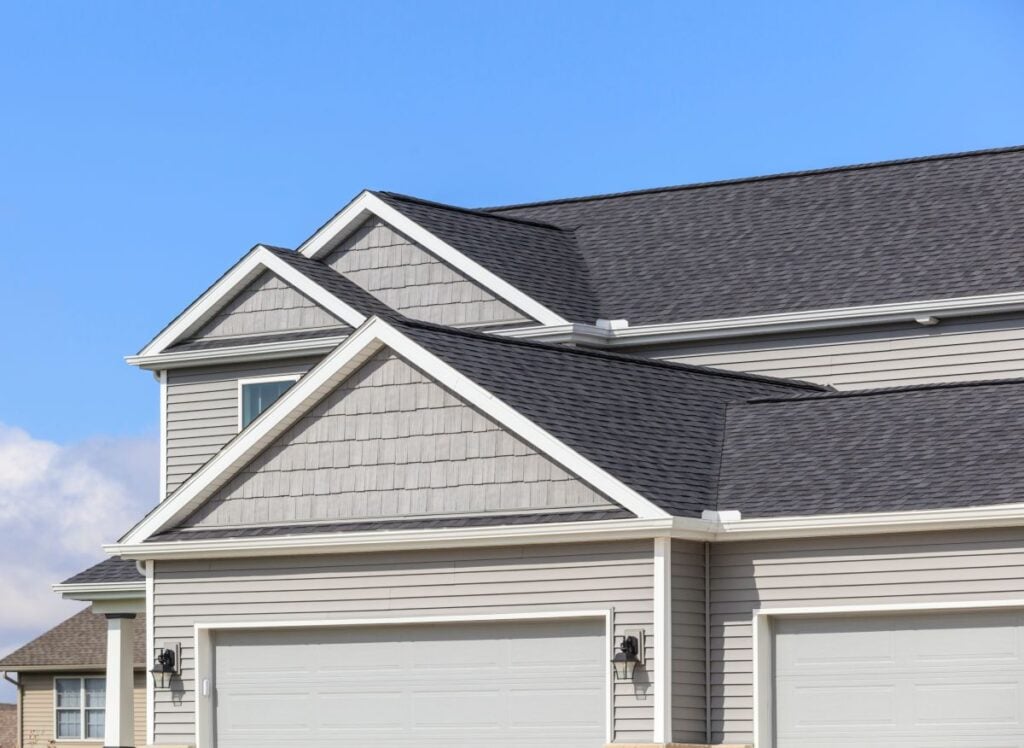
A: From the street, usually not. A FORTIFIED roof can use the same styles and colors as a standard asphalt shingle roof. The real differences are in the hidden layers, such as the sealed deck, ring-shank nails, button cap nails on the underlayment, and wind-rated roof vents.
Certification and Verification
A FORTIFIED roof is not just built differently. It is also checked by someone other than your roofer, which is one of the biggest differences from a standard installation.
Q: Who verifies that the roof meets the standard?
A: A certified FORTIFIED evaluator, who is independent from your roofing contractor, documents the work during installation. The evaluator collects photos and records showing each requirement was met, then submits them to IBHS. IBHS audits that documentation before issuing a designation for your home.
Q: What do I receive when the roof is approved?
A: Once IBHS approves the documentation, your home receives a FORTIFIED designation certificate. This certificate is official proof that your roof was built to the standard. It is generally what insurance companies and incentive programs ask for, so keep a copy with your important home records.
Q: Can my existing roof be certified as FORTIFIED?
A: In most cases, no. Documentation has to be collected while the roof is being installed, including photos of the deck, nailing, and underlayment. That means a FORTIFIED designation is usually earned during a roof replacement, with the evaluator involved before and during the project rather than afterward.
Cost, Insurance, and Oklahoma Considerations
Homeowners naturally want to know whether a FORTIFIED roof is worth the investment. These answers cover what to expect in Oklahoma.
Q: Does a FORTIFIED roof cost more than a standard roof?
A: Typically, yes. The added materials, upgraded fasteners, impact-rated roof covering, extra labor, and evaluation all add to the cost compared with a standard replacement. The exact difference depends on your roof size, decking condition, and the products you choose, so a detailed estimate is the best way to compare.
Q: Will a FORTIFIED roof lower my insurance premium?
A: It may. Many insurers offer discounts for homes with a FORTIFIED designation, but the amount varies from one carrier to another. Call your insurance agent before your project to ask how a certificate would affect your premium, and share the certificate with them once your roof is approved.
Q: Is a FORTIFIED roof worth it in Oklahoma?
A: For many homeowners, yes. According to the Oklahoma Insurance Department, a 2026 Verisk report found that nearly half of Oklahoma roofs were hit by severe hail over a four-year period, the highest rate nationally. A roof built to resist that damage can reduce repeat repairs and claims.
Building a Stronger Roof for Oklahoma Storms
A FORTIFIED roof gives your home stronger protection at every layer, from the deck to the shingles, along with independent proof that it was built correctly. If you are planning a roof replacement and want to know whether FORTIFIED is the right fit, Palladium Roofing is here to help you weigh the options honestly. Contact us today to schedule a complimentary inspection and talk through what a FORTIFIED roof would look like for your home.
Related Articles