
How Can I Tell If My Roof Has Storm Damage In Yukon, OK?
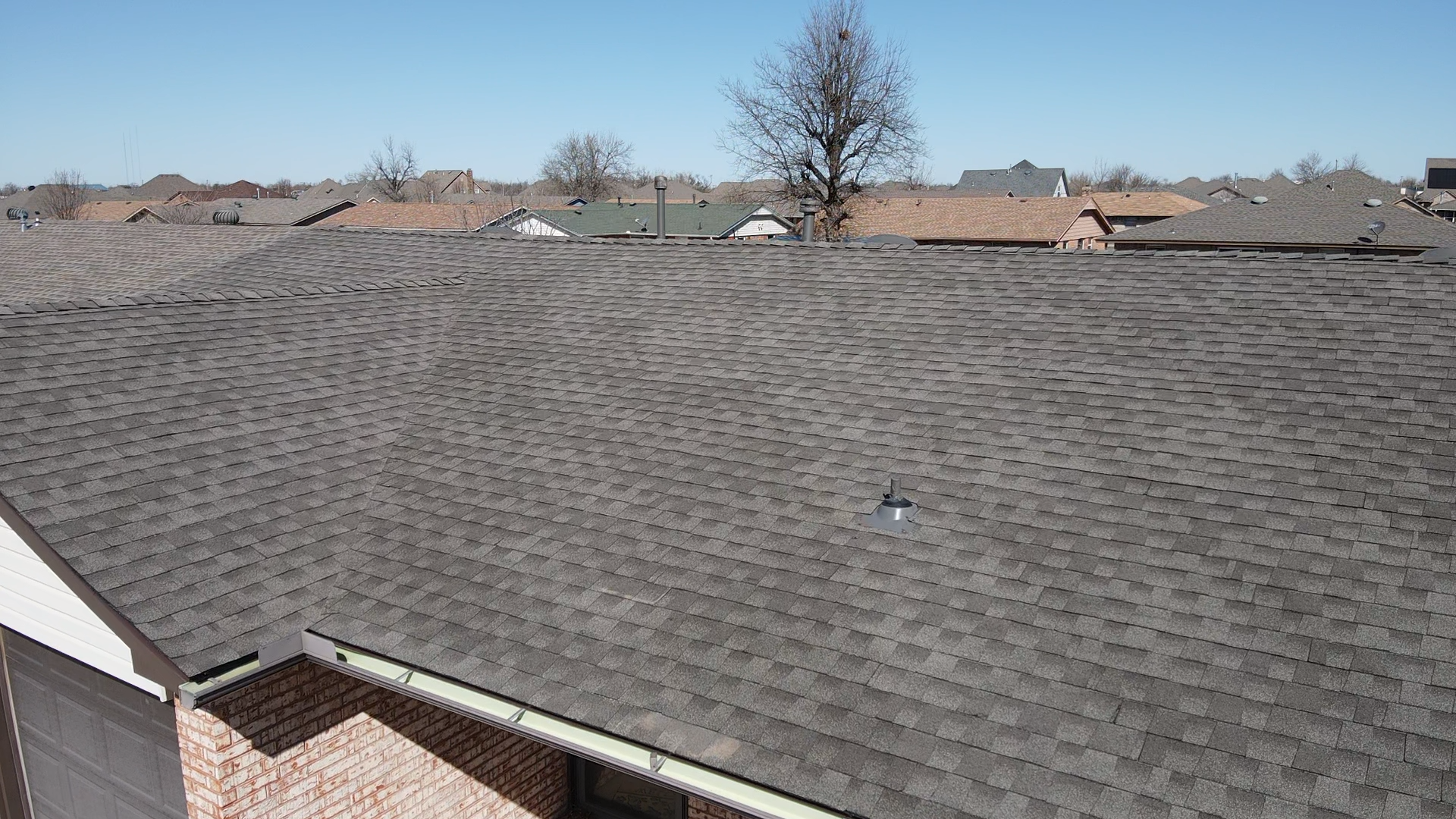
After a severe storm rolls through, most homeowners walk outside, look up from the ground, and see nothing obviously wrong. That does not mean the roof is fine. Storm damage is often subtle, hiding in places easy to miss and easy to underestimate until water finds its way inside. If you are a homeowner asking how can I tell if my roof has storm damage in Yukon, OK, this guide walks you through exactly what to look for, where to look, and why acting quickly makes a real difference. Learn more about keeping your home protected from the roof down before the next storm season arrives.
What you’ll learn:
- Why catching storm damage early protects your home and your wallet
- The most common signs of hail damage, high winds, and water damage on a roof
- Where to look for damage beyond the shingles themselves
- How storm damage affects your insurance claim options
- When to call a professional roofing contractor and what to expect from an inspection
Why Spotting Roof Storm Damage Early Is Critical
Many homeowners assume that if the roof is not actively leaking, there is no urgent problem. That assumption is one of the most costly mistakes Oklahoma homeowners make after a major storm. Storm damage rarely announces itself with an immediate drip from the ceiling, and waiting to address it almost always leads to more expensive repairs down the road.
- Hidden deterioration: Hail impact and wind stress weaken roofing materials at a structural level long before visible leaks appear. By the time water gets inside, the damage has typically been accumulating for months.
- Insurance deadlines: Most homeowners insurance policies in Oklahoma have strict filing windows after a storm event. Missing that window, often because a homeowner did not realize damage existed, can result in a denied claim with the insurance company.
- Compounding damage: A small breach in the roofing system allows moisture to reach the decking, insulation, and framing. What starts as a minor repair can become significant damage requiring full roof replacement within a single season.
- Property value: Undisclosed or unresolved roof damage affects your home’s value and can complicate a future sale. Buyers and inspectors will find what you missed.
For homeowners in Yukon and surrounding areas, where tornado-producing supercells, large hailstones, and straight-line winds are a routine part of spring and fall weather, developing the habit of getting a roof inspection after every significant storm is one of the smartest things you can do.
7 Signs Your Roof Has Storm Damage
You do not need to climb on the roof to identify many of the most telling signs of storm damage. A combination of ground-level observation, attic inspection, and interior checks can reveal a great deal about what a storm left behind. Keep in mind that hailstones can range from pea-sized to golf ball-sized or larger, and even hail at 1 inch in diameter can cause damage to your roof that is not obvious without a closer look.
1. Dented or Bruised Shingles
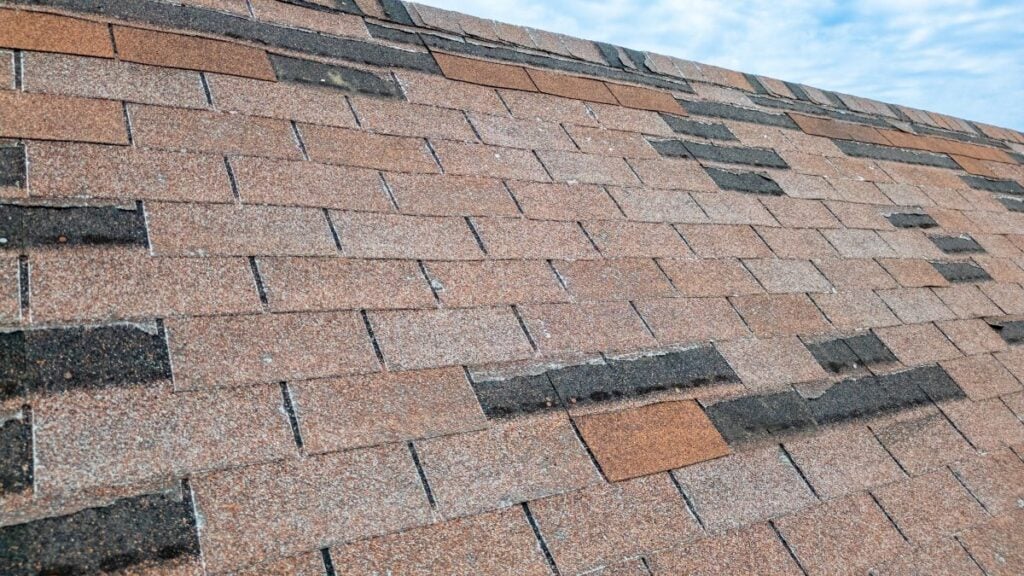
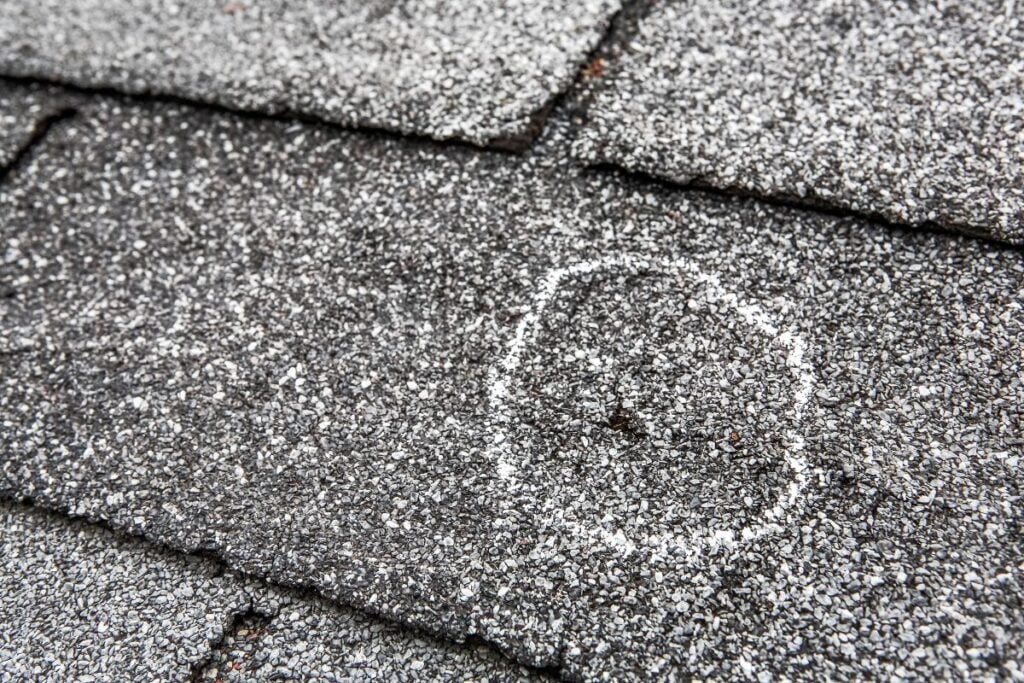
Hail leaves behind impact marks that vary by shingle type. On asphalt shingles, strikes often create circular bruises or dark spots where granules have been knocked loose from the mat beneath. These impacts may feel soft or spongy to the touch, similar to a bruise on fruit. Hail damage can reduce a roof’s longevity significantly even when the surface looks largely intact from the ground.
2. Granule Loss
Asphalt shingles are coated with granules that protect the underlying material from UV rays and physical wear. After a hailstorm or severe windstorm, granules loosen and wash into the gutters and downspouts. Excessive granules in gutters following a storm are a reliable indicator that your shingles have taken a hit and their protective layer is compromised.
- Check gutters immediately after a storm for unusual granule volume
- Look for bare or discolored patches on shingle surfaces from the ground
- New roofs losing heavy granule volume after a single storm is a clear red flag
3. Lifted, Cracked, or Missing Shingles
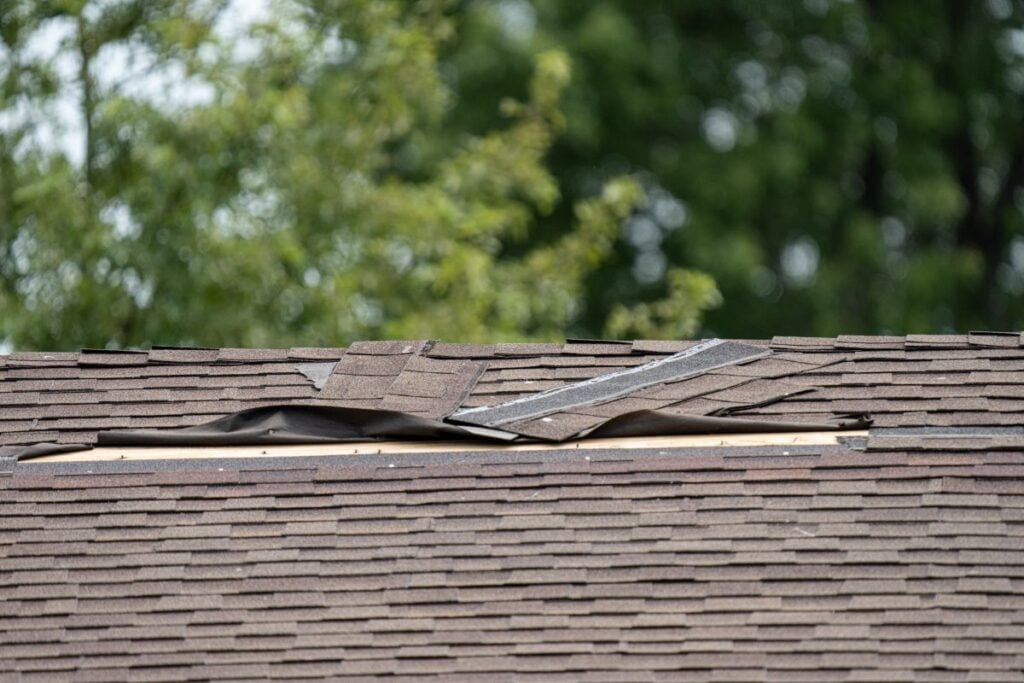
Strong winds, particularly those accompanying severe Oklahoma thunderstorms, get underneath shingles and break the adhesive seal that holds them flat. Once that seal fails, shingles can lift, curl, crack, or blow off entirely. Missing or damaged shingles are among the most visible signs of severe wind damage, and even partially lifted shingles create an entry point for water that leads to costly repairs if left unaddressed.
4. Damaged Flashing
Flashing is the metal material installed around chimneys, vents, skylights, and roof valleys to prevent water from seeping into seams and penetrations. Wind and hail can bend, crack, or pull flashing away from the surface. Damaged flashing is one of the most common causes of post-storm leaks and one of the most frequently overlooked areas during a basic visual inspection from the ground.
5. Dented Gutters, Siding, Vents, or Skylights
Hail that causes damage to your roof almost always damages other exterior components at the same time. Checking your gutters, downspouts, siding, roof vents, and any skylights for denting or cracking after a storm gives you corroborating evidence that hail was large enough and forceful enough to cause impact damage to the roofing surface as well. Dented gutters and downspouts indicate hail impact, and insurance adjusters routinely look at these secondary indicators to confirm a storm damage claim.
6. Water Stains or Wet Spots in the Attic
After a storm passes, take a flashlight into your attic and look at the underside of the roof deck. Water stains, dark streaks along the rafters, or wet insulation are all signs that water has breached the roofing system, even if no active leak is visible in the living space below. Catching this early prevents mold growth and structural rot from taking hold and avoids far more expensive repairs later.
7. Interior Ceiling Stains or Bubbling Paint
Water that enters through storm-damaged areas of the roof eventually shows up on interior ceilings and walls. Yellowish-brown staining, peeling paint, or bubbling drywall near exterior walls or directly below the roofline are signs that moisture has already moved through the roofing system and into the structure of your home. Interior water stains can indicate roof leaks that have been active longer than the most recent storm.
Each of these signs, taken alone, might seem minor. Taken together after a major storm event, they form a clear picture of a roofing system that needs professional attention before the next rainfall causes further damage.
What to Check Beyond the Shingles
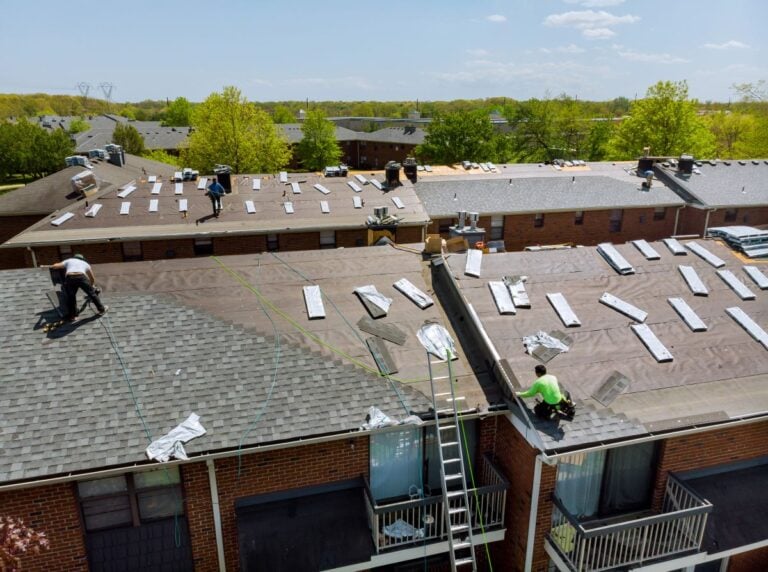
Many homeowners focus entirely on the shingle surface when checking for storm damage, but a complete assessment goes further. Roofing specialists conducting detailed inspections evaluate the entire system, and some contractors now use drone imaging for hard-to-reach roof sections to ensure nothing is missed.
The Roof Deck
The decking beneath your shingles is the structural foundation of the roofing system. Prolonged exposure to moisture from even minor breaches causes wood decking to soften, rot, and lose its load-bearing integrity. Visible sagging on a roof is a serious warning sign that the deck may already be compromised and that a professional inspection is overdue.
Ridge and Hip Caps
The ridge cap runs along the peak of your roof and takes a disproportionate amount of wind force during a storm. Lifted or missing ridge cap shingles are a highly visible indicator of wind damage and leave the most vulnerable part of the roofline exposed to water intrusion. Widespread shingle loss along the ridge may indicate that a full roof replacement is necessary rather than spot repairs.
Soffit, Fascia, and Siding
Wind-driven rain during severe storms frequently gets behind the soffit and fascia boards at the roofline edge, and debris impact can damage siding in ways that compromise the wall envelope as well. Checking for warping, staining, or separation in these areas after a storm in Yukon, Mustang, and surrounding areas can help you catch water infiltration before it travels further into the wall structure.
Skylights and Chimney Seals
Hail impacts can crack skylight glazing or damage the rubber seals around chimney bases. These small breaches are easy to miss but create reliable entry points for water every time it rains. Adding skylights and chimneys to your post-storm checklist takes only a few minutes and can prevent a significant repair down the line.
How Storm Damage Affects Your Insurance Claim
Understanding how the insurance process works helps you approach a roof damage claim with realistic expectations and the right documentation. Oklahoma homeowners who know the process ahead of time are far better positioned to get a fair settlement from their insurance provider.
Document Everything Before Repairs Begin
Photograph all visible damage from the ground and from inside the attic before any repairs are made. Check official weather reports for confirmed wind speed and hail size from the storm date, as this data supports your claim with the insurance company. Insurers require evidence that the damage is storm-related and not the result of pre-existing wear, so documenting everything promptly is essential.
Know Your Policy Before You File
Homeowners insurance policies vary significantly in how they handle roof damage claims. Some cover replacement cost value, paying for a full new roof at today’s prices. Others pay actual cash value, accounting for depreciation based on roof age. Roofs older than 20 years are more likely to be classified as needing full replacement by an adjuster, so knowing your coverage type before filing helps set accurate expectations for the claims process.
Work With a Reputable Local Roofing Contractor
Insurance adjusters assess your roof based on what they observe during their visit. Having an experienced local roofing contractor from the Oklahoma City metro present during that inspection, or having their written assessment in hand before the adjuster arrives, gives you a detailed and documented picture of the full scope of damage. Class 4 impact-resistant shingles are worth asking about at replacement time, as they are specifically designed to withstand hail damage better than standard shingles and may qualify you for insurance discounts going forward.
Do Not Wait Too Long
Most insurance policies require storm damage claims to be filed within a specific timeframe, commonly one to two years from the storm date. Waiting, or assuming the damage will hold until next year, puts your claim eligibility at risk and gives the damage more time to spread into the decking, insulation, and framing of your home.
After the Storm, We Are Here to Help
Storm damage is stressful, and navigating storm damage roof repair, insurance claims, and contractor choices on top of that stress is a lot to manage. Knowing what to look for is the first step, but a free roof inspection from a qualified roofing company is what turns that knowledge into a clear, actionable plan.
Palladium Roofing helps homeowners throughout Yukon and the surrounding region identify storm damage accurately, document it properly, and move through the repair or replacement process with confidence. Our team provides honest, no-pressure assessments with straight answers about what your roof actually needs. When you are ready to find out where your roof stands after the last storm, contact us today and we will get you scheduled for a free estimate and inspection.