
When Is The Best Time To Replace A Roof In Moore, OK? 5 Tips
Timing a roof replacement might not feel like a priority when your roof is still holding together, but it matters more than most homeowners realize. The season you choose affects contractor availability, material costs, installation quality, and how quickly your new roof can be completed. If you are a homeowner wondering when is the best time to replace a roof in Moore, OK, this guide breaks down the key factors so you can plan strategically rather than reactively. Getting familiar with everything that goes into a quality roof installation puts you in a much stronger position before you ever call a roofing contractor.
What you’ll learn:
- Which seasons offer the best conditions for roof replacement in Oklahoma
- How Moore’s weather patterns affect installation timing and material performance
- The warning signs that mean you cannot wait for the perfect season
- How to use timing to your advantage when budgeting and scheduling
- Practical tips for getting the most out of your replacement no matter when it happens
Why Timing Your Roof Replacement Matters
Replacing a roof is a major investment, and how that investment holds up over the long term is influenced by more than just the roofing materials you choose or the contractor you hire. The conditions under which a roof is installed play a real role in how well the roofing system performs from day one, and choosing the wrong window can mean costly repairs down the line.
- Material performance: Asphalt shingles require adequate temperature to properly seal along their adhesive strips. Installation during extreme temperatures, whether extreme heat or freezing temperatures, can interfere with that process and affect long-term performance.
- Contractor availability: Roofing demand in Moore and surrounding areas spikes sharply after hail or wind events. Scheduling outside peak demand periods often means better flexibility and more focused attention from experienced professionals.
- Budget planning: Demand-driven pricing is real in the roofing industry. Moore homeowners who plan ahead and schedule during slower periods often have more leverage when requesting a detailed estimate and negotiating project scope, with fewer hidden fees.
- Weather risk during installation: An open roof mid-project is vulnerable to rain and wind damage. Choosing a season with more predictable weather reduces the risk of delays, interior water stains, or material damage during the tear-off and installation process.
Timing is not about waiting indefinitely for perfect conditions. It is about making a smart, informed decision rather than scrambling after something goes wrong with an aging roof.
5 Tips for Choosing the Best Time to Replace Your Roof in Moore
Oklahoma’s climate has its own rhythm, and understanding it helps you work with the seasons rather than against them. Here are the five most important timing considerations for Moore homeowners planning a complete roof replacement.
1. Fall Is Generally the Best Season
Late summer through early fall is widely considered the optimal time for most residential roof replacements across Oklahoma. Temperatures in the Moore, and Yukon area during September and October tend to stay in a range that allows asphalt shingles to seal properly without the complications that come from summer heat or winter cold. Days are longer, weather windows are more reliable, and a roofing contractor can often complete a full replacement without weather-related interruptions. If you have flexibility in your timeline, targeting a fall installation is usually the best move for material performance and resale value alike.
2. Spring Offers Good Conditions With One Caveat
Spring is another solid window for roof replacement, with mild temperatures and manageable humidity making for good installation conditions. The caveat for Moore and surrounding areas is that spring also brings the most severe storm activity in Oklahoma. Scheduling a replacement during active storm season means your project could be delayed by severe weather or, in a worse scenario, that a storm moves through while your roof deck is exposed mid-installation. If you go the spring route, work with a contractor who has a clear plan for securing an open roof if a storm warning is issued.
3. Summer Heat Adds Complexity and Heat-Related Risks
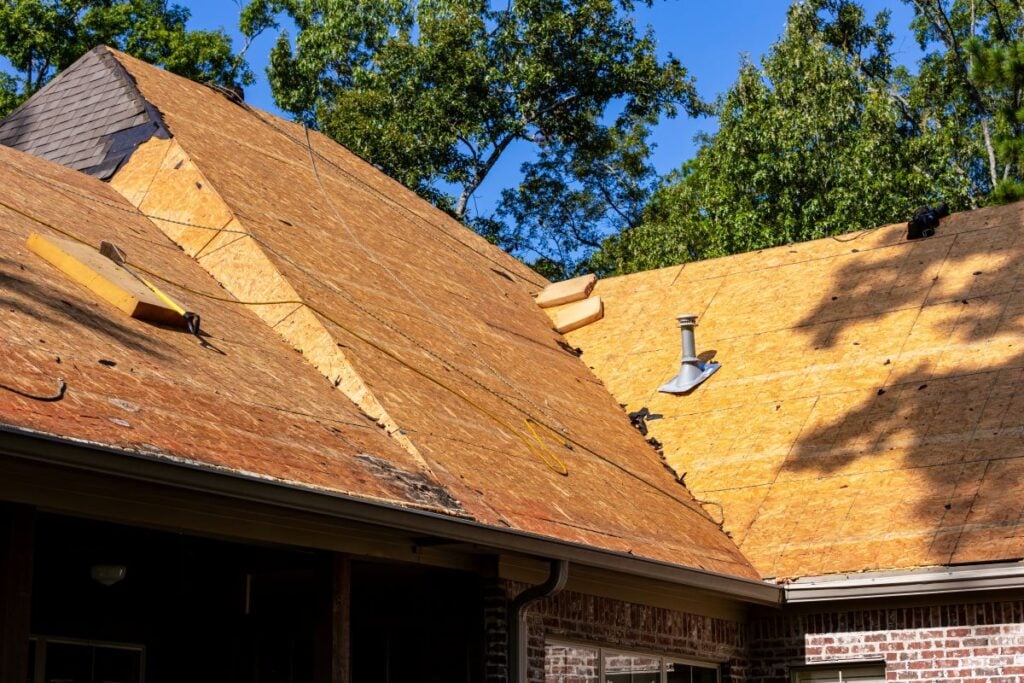
Summer is the busiest season for roofing contractors and also the most physically demanding. Extreme heat in central Oklahoma makes rooftop work more difficult and slows the installation process. More importantly, shingles installed during very high temperatures can experience over-softening and improper sealing along the adhesive strips, which affects the roof’s long-term performance. That does not mean summer replacements produce a bad outcome, but they require experienced professionals who know how to handle asphalt roofs correctly in those conditions.
- Schedule summer projects for early morning starts to avoid peak heat hours
- Confirm the contractor has experience managing heat-related risks on Oklahoma roofs
- Use higher-grade shingles with heat and impact resistance ratings when replacing during summer months
4. Winter Is Possible but Requires Caution
Contrary to what many homeowners assume, winter roof replacement in Oklahoma is possible and sometimes necessary. If your roof has recurring leaks, significant missing shingles, or storm damage that cannot wait, delaying through winter creates more risk than the installation itself. The challenge is that cold temperatures and freezing temperatures slow the sealing process for asphalt shingles, and Oklahoma winters can bring ice and freezing rain that create safety hazards and installation complications. A reputable roofing contractor will know when winter conditions are workable and when it is safer to wait.
- Hand-sealing shingles is required at lower temperatures to compensate for reduced adhesive activation
- Short winter days limit working hours and can extend project timelines
- Scheduling during a mild stretch in November or early December often provides a workable window
5. Urgency Always Overrides Timing Preference
No season is the right season to ignore a roof that is actively failing. If your roof has significant storm damage, widespread leaks, curling shingles, or structural issues including ventilation problems or hidden damage showing up in the attic, waiting for an ideal window will cost far more than you save. Water intrusion damages the roof deck, insulation, framing, and interior finishes quickly, and what would have been a straightforward roof replacement can become a much larger emergency repair. When the roof is telling you it is done, listen.
Understanding these five timing factors gives you a framework that most homeowners simply do not have when they start looking for roof replacement services. The earlier you can think about replacement, the more options you have.
How Moore’s Weather Patterns Should Influence Your Planning
Moore and surrounding areas sit in one of the most weather-active corridors in the country. The combination of tornado risk, large hail events, high winds, and wide seasonal temperature swings means that roofing decisions here carry more weight than they might in a milder climate. A clear understanding of your local storm history and seasonal weather conditions is one of the most useful planning tools a homeowner can have.
The Storm Season Factor
Oklahoma’s primary storm season runs from roughly March through June, with a secondary window in the fall. Both periods bring the potential for hail damage or wind damage significant enough to warrant a full roof replacement. Moore homeowners who schedule a roof inspection before and after storm season are far better positioned to catch hidden damage early, navigate the insurance claim process within policy windows, and get scheduled before the post-storm contractor rush hits.
The Heat Factor
Central Oklahoma summers particularly across the Oklahoma City metro, regularly see temperatures climb well into the upper nineties, and rooftop conditions run significantly hotter than ambient air. This matters for both the installation process and long-term shingle performance. Choosing impact-resistant shingles with Class 4 ratings is a smart investment in a climate that tests roofing systems as consistently as Oklahoma does, and these shingles often qualify for insurance discounts that add long-term financial value beyond improved durability.
The Freeze-Thaw Factor
Winter in Moore does not produce the same prolonged freezes seen further north, but freeze-thaw cycles during January and February put real stress on roofing materials and flashings. A roof with existing vulnerabilities such as lifted flashing, cracked shingles, or compromised valleys is significantly more likely to develop leaks during this period. Using late fall as an inspection and replacement window before winter arrives is one of the most practical steps a Moore homeowner can take to protect both energy efficiency and structural integrity.
Making the Most of Your Replacement Regardless of Season
Once you have settled on a timing window, several steps will help ensure your replacement delivers the performance and longevity you are investing in. Quality workmanship and the right materials matter at every point in the process.
Get a Professional Roof Inspection First
Before committing to a timeline, have a qualified roofing contractor assess your current roof. A thorough roof inspection will tell you how urgent the replacement actually is, whether roof repair could reasonably extend the roof’s life until a better season, and what the full scope of the project looks like including roof size and any decking concerns. This is also the right time to ask about insurance coverage and whether your storm history or roof age supports a claim.
Choose the Right Materials for Oklahoma Conditions
Not all asphalt shingles are equal when it comes to performance in a climate like central Oklahoma’s. Impact-resistant shingles with Class 4 hail ratings and high wind resistance are worth the additional upfront cost in Moore and surrounding areas. They hold up better through severe storms, often qualify for insurance discounts from most insurance carriers, and maintain their performance characteristics through the wide temperature ranges that Oklahoma delivers season after season.
Understand Manufacturer Warranties and Workmanship Coverage
A roof replacement comes with two distinct warranties: manufacturer warranties covering the materials and the contractor’s workmanship warranty covering the installation quality. Both matter, and both should be reviewed carefully before you sign. Confirm that the contractor’s installation methods comply with manufacturer requirements, since improper installation can void product coverage. A 10-year or longer workmanship warranty is a strong signal of quality workmanship and contractor accountability.
Plan for Cleanup and Final Inspection
A professional crew should leave your property clean, with all debris, old shingles, and roofing nails removed from the yard and gutters. Before final payment, walk the perimeter of the home and check for anything missed. Scheduling a follow-up inspection six to twelve months after installation is a good practice to catch any early sealing or flashing issues before they become leaks or more costly repairs.
Ready to Plan Your Roof Replacement in Moore?
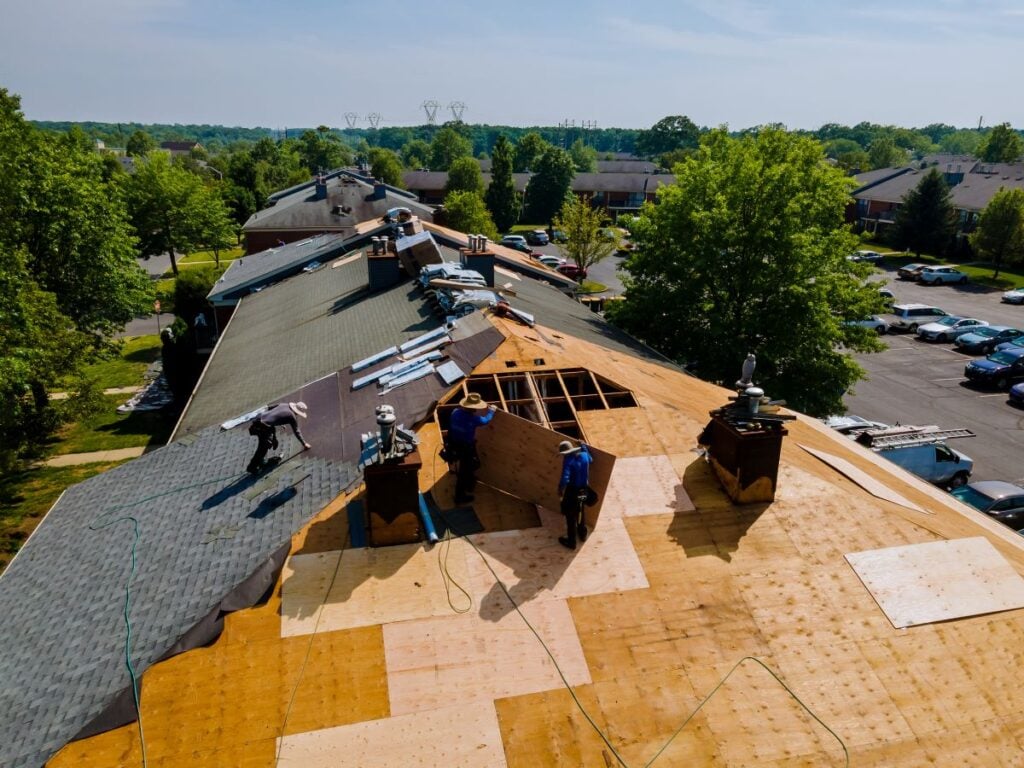
The best time to replace your roof is when you are informed, prepared, and working with a contractor you trust. Whether you are proactively planning ahead for an aging roof or dealing with damaged roofing that has run out of time, having the right team on your side makes all the difference.
Palladium Roofing works with homeowners across Moore, Norman, and the surrounding region to plan and complete roof replacements on timelines that make sense for the situation and the season. Our team provides honest assessments, quality materials, and installation backed by real warranty protection. When you are ready to start the conversation, contact us today and we will schedule a free inspection at your convenience.