
What You Need To Know About Roof Structure Repair?

When it comes to maintaining your home or commercial property, a sound roof is non-negotiable. However, over time, wear and tear, weather damage, or even structural issues can compromise its integrity. Roof structure repair is essential to safeguard your property and prevent costly consequences down the line.
This guide will walk you through everything you need to know about roof structure repair, including:
- Why roof structure repair is essential
- Steps to repair your roof structure
- Why professional roofing services matter
🤔 Why Roof Structure Repair Is Essential
Your roof isn’t just a shell over your head—it’s a crucial system designed to protect your property and maintain structural integrity. When that system is compromised, it can have serious consequences for your home and your wallet.
Issues like water leakage can lead to mold growth and structural decay, while poor insulation can drive up energy bills. A damaged roof can also weaken your home’s framework, posing safety risks and leading to higher long-term repair costs if not addressed promptly.
Common Causes of Roof Structure Damage
Understanding the common causes of roof damage can help you prevent problems before they escalate. Here are some of the usual culprits:
- Weather extremes like high winds, hail, heavy rain, or snow can loosen shingles and weaken your roof’s structure.
- Aging materials naturally degrade over time, especially without regular maintenance.
- Poor installation can lead to leaks, sagging, and structural problems.
- Ignored maintenance allows minor issues, like missing shingles, to escalate into costly damage.
- Pest infestations from rodents, termites, or birds can create serious vulnerabilities in your roof.
✅ 5 Steps to Repair Roof Structure

Roof repairs require a systematic approach to ensure the job is done safely and effectively. While smaller fixes might seem DIY-friendly, structural repairs are best left to professionals. Here’s an overview of the key steps involved:
1. Assess the Damage
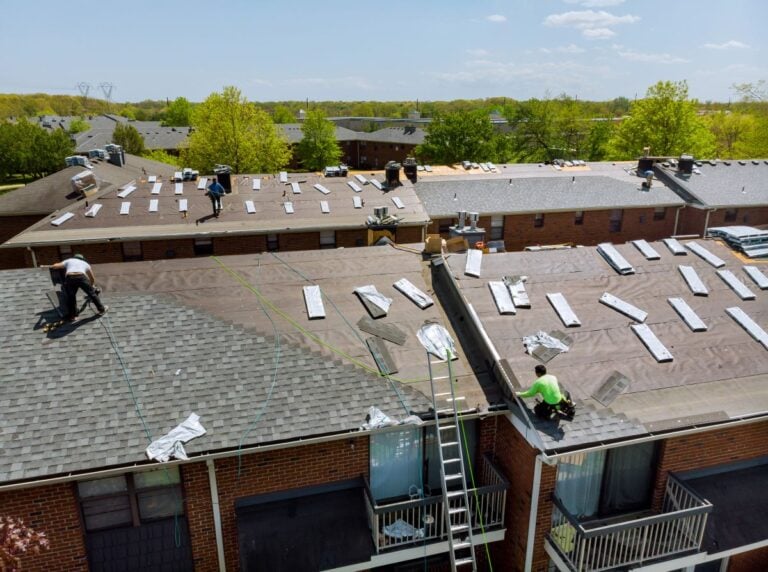
The first step in any roof repair process is a thorough inspection to evaluate the full extent of the damage. Professionals meticulously examine every aspect of your roof, from visible leaks and water stains to rotting wood, broken or missing shingles, and structural issues. This includes checking the flashing around chimneys, vents, and skylights to ensure they are intact and watertight. A close look at the gutters and drainage systems may also be part of the assessment, as poor drainage can contribute to roof problems. This detailed inspection ensures no underlying issue is overlooked, as even minor problems, like small cracks or loose shingles, can escalate into significant and costly damage over time if left unaddressed. The goal is to gain a complete picture of the roof’s condition before moving forward.
2. Develop a Comprehensive Repair Plan
After assessing the damage, contractors move on to creating a tailored repair plan designed specifically for your roof’s unique needs. This plan outlines every step of the repair process, detailing which materials need replacement, how structural components will be reinforced, and what preventative measures should be implemented to avoid future problems. For instance, the plan may include replacing missing shingles, repairing or reinforcing compromised beams, resealing flashing, or improving attic ventilation. Contractors will also factor in the roof’s size, age, and material type to ensure the repairs are efficient, cost-effective, and long-lasting. This step provides homeowners with a clear understanding of what to expect, offering transparency and a roadmap to guide the process from start to finish.
3. Remove Compromised Materials
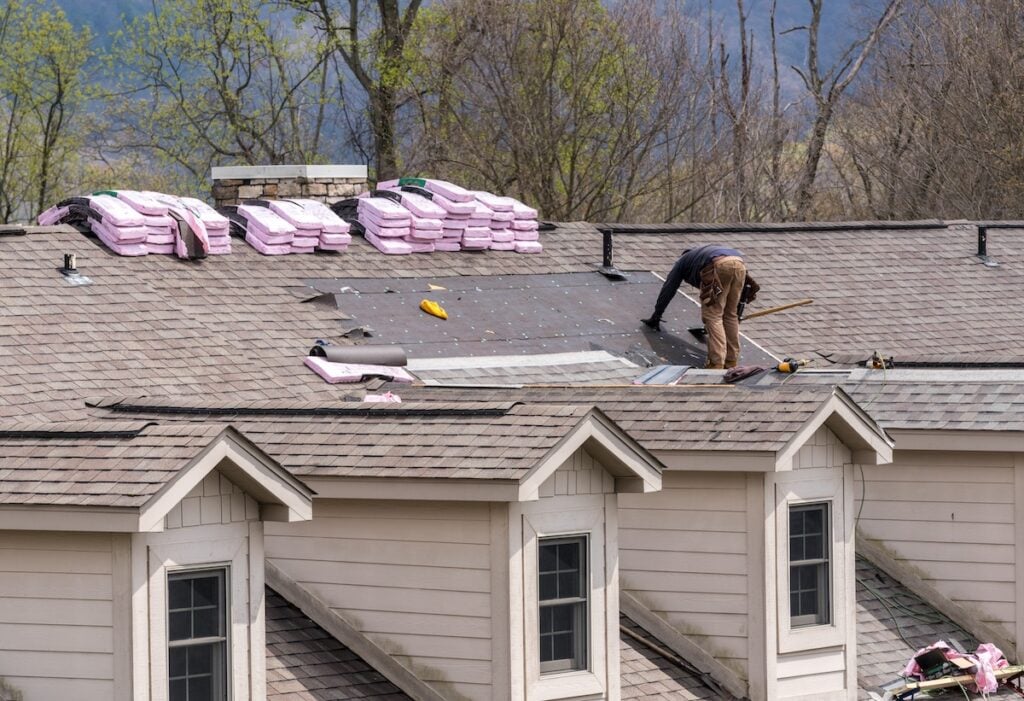
Before any repairs can begin, damaged materials must be removed. This step involves stripping away compromised elements such as rotted wood, broken or curled shingles, deteriorated underlayment, or corroded flashing. Removing these materials is crucial to prevent future problems, as leaving even minor damage can weaken the integrity of the roof and cause further issues down the line. During this process, contractors may discover hidden damage, such as mold growth, sagging beams, or water infiltration, that wasn’t visible during the initial inspection. Addressing these hidden issues ensures that the roof is fully prepared for new materials to be installed securely and effectively, creating a clean slate for long-lasting repairs.
4. Repair or Replace Damaged Components
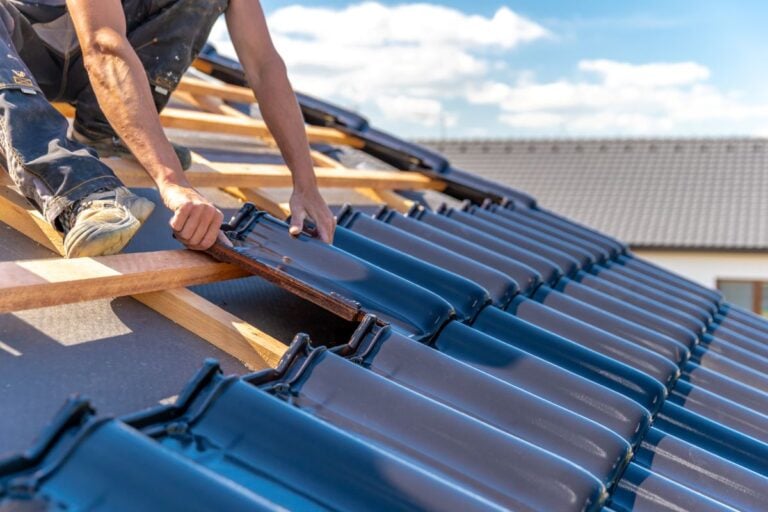
Once the compromised materials have been removed, the actual repair work begins. Structural elements, such as rafters, trusses, or load-bearing beams, may need reinforcement or, in severe cases, complete replacement to restore the roof’s stability. Broken or missing shingles are replaced with new ones that match the existing roof, maintaining both durability and appearance. Flashing around vulnerable areas like chimneys, vents, and skylights may be updated or resealed to prevent leaks, while underlayment is replaced to provide an added layer of protection against moisture. Additionally, contractors may address ventilation issues by installing or repairing vents, ensuring proper airflow through the attic to prevent future problems like mold growth or ice dams. The goal is to not only fix the visible damage but also enhance the roof’s overall performance and longevity.
5. Seal, Test, and Inspect
The final stage involves sealing the roof to ensure it is fully protected from water, wind, and weather. Contractors apply specialized sealants to reinforce vulnerable areas, such as joints, flashing, and edges, creating a watertight barrier. Once the roof is sealed, a series of tests are conducted to identify any potential weak spots or leaks. Contractors may simulate heavy rain or use advanced detection tools to ensure the repairs are holding up as expected. Following this, a thorough inspection is performed to double-check every aspect of the repair work, from the strength of structural reinforcements to the placement of shingles and the effectiveness of the ventilation system. This step ensures the roof is not only weatherproof and structurally sound but also ready to withstand years of exposure to the elements, giving homeowners peace of mind.
👉 Why Professional Roofing Services Matter

Attempting roof structure repairs on your own can lead to safety hazards, subpar fixes, and future expenses. Here’s why professional roofing services make a difference:
1. Expertise
Certified professionals bring extensive training and experience to every roofing project. They are skilled at diagnosing and repairing even the most complex roofing issues, ensuring that the job is done correctly the first time. Their knowledge covers a wide range of materials, techniques, and weather-related challenges, giving you confidence that your roof is in expert hands.
2. Safety
Roof repairs, even minor repairs, can be dangerous, with risks ranging from falls to improper handling of tools. Professional contractors are equipped with the right safety gear, tools, and training needed to complete the job without injury. By hiring experts, you not only protect yourself but also ensure the work is carried out safely and efficiently and find out if you need a roof replacement.
3. Time and Cost Efficiency
Attempting to fix roofing problems on your own can often lead to delays, mistakes, and even more costly repairs down the line. Professional contractors work quickly and effectively, saving you time and reducing the risk of future issues. Their expertise can also help you avoid unnecessary expenses by identifying and addressing the root causes of problems.
4. Warranty and Reliability
A reputable roofing company stands behind its work. Many offer warranties on both labor and materials, giving you peace of mind that any issues will be resolved without additional costs. This reliability ensures long-term durability and protects your investment, making professional services a worthwhile choice.
🛠️ Roof Structure Repair
When it comes to roof structure repair, you need a team you can trust to deliver reliable, long-lasting results. At Palladium Roofing, our commitment to transparency, expertise, and quality craftsmanship sets us apart. Whether it’s a small repair or a complete overhaul, we’re dedicated to protecting your home or business with top-tier materials and industry-leading warranties.
Don’t leave your roof to chance—schedule your complimentary roof inspection today and let our experienced team handle the rest. Contact Palladium Roofing now to get started!