How Long Does A Roof Typically Last In Moore, OK? 2026 Guide
Your roof is one of the most valuable parts of your home, yet most homeowners rarely think about it until something goes wrong. If you live in Moore and surrounding areas, knowing how long does a roof typically last in Moore, OK can help you plan ahead, avoid costly surprises, and make smarter decisions about roof repair versus full replacement. Whether your roof is brand new or pushing 20 years, understanding its expected lifespan is one of the smartest things you can do as a homeowner. Learn more about your options for protecting your home from top to bottom.
What you’ll learn:
- How long common roofing materials last in Oklahoma’s climate
- The top factors that shorten or extend roof lifespan
- Warning signs that your roof may be nearing the end of its life
- How Oklahoma weather specifically affects roofing longevity
- Steps you can take to get the most out of your existing roof
Why Roof Lifespan Matters for Moore Homeowners
Understanding the average roof lifespan is not just a matter of curiosity. It is a financial planning tool. Roofs are among the most expensive components of any home, and replacing one without warning can put serious strain on a household budget.
- Home value protection: A roof in good condition directly supports your property value and curb appeal. Buyers and appraisers notice roofing condition immediately.
- Insurance and claims: Many insurers in Moore and surrounding areas factor roof age into coverage decisions and premium rates. An aging roof can affect your ability to file claims.
- Preventive maintenance savings: Knowing where your roof stands in its lifespan helps you schedule ongoing maintenance before minor issues become major leaks or structural damage.
- Peace of mind: Oklahoma weather can be relentless. Moore homeowners who understand their roof’s condition are better prepared to face severe weather seasons with confidence.
The bottom line is simple: the more you know about your roof life expectancy, the better positioned you are to make decisions that protect your home and your wallet.
5 Factors That Determine How Long Your Roof Will Last
Several variables work together to determine whether your roofing system reaches its full potential lifespan or falls short. Here is a breakdown of the most important ones.
1. Roofing Material
The type of material your roof is made from is the single biggest factor in how long it will last. Choosing the right roofing material for your home and your climate is one of the most important decisions you will make. Asphalt shingles are among the most common roofing materials in Moore and surrounding areas, typically lasting between 20 and 30 years depending on the grade. Architectural or dimensional shingles tend to outperform standard three-tab asphalt shingles by several years and offer better wind resistance. Metal roofing, including steel roof options, can last 40 to 70 years with minimal maintenance. Tile roofs have even longer lifespans but come with a higher upfront cost and structural requirements.
- Three-tab asphalt shingles: 15 to 20 years
- Architectural shingles (dimensional shingles): 25 to 30 years
- Metal roofing panels / steel roof: 40 to 70 years
- Clay or concrete tile roofs: 50 years or more
- Slate: 75 to 100+ years
Selecting the best roofing material means weighing longevity, budget, and how well it holds up under Oklahoma weather conditions.
2. Oklahoma’s Climate and Storm Exposure
Oklahoma is one of the most weather-intense states in the country, and Moore has experienced some of the most severe tornado and hailstorm events on record. Repeated hail impacts, high wind events, and freeze-thaw cycles during winter months all accelerate the aging of roofing materials. A roof that might last 30 years in a mild climate may only reach 20 years here due to cumulative storm damage and intense UV radiation from long Oklahoma summers.
- Hail can crack, dent, and granule-strip shingles with a single event
- High winds and repeated wind events lift shingle edges, creating vulnerabilities for water intrusion
- Extreme heat and intense UV radiation cause shingles to dry out and curl over time
- Ice and freeze-thaw cycles create expansion and contraction stress on the roof deck and materials
3. Installation Quality
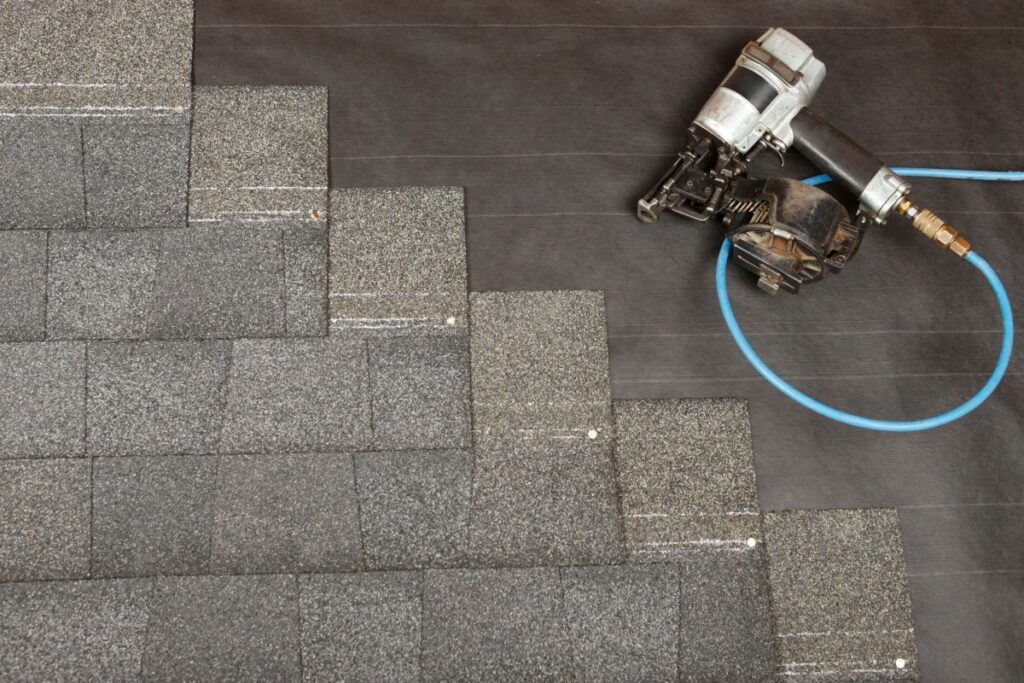
Even the best roofing materials will underperform if they are not installed correctly. Proper installation is critical to how long a roof performs, and poor nailing patterns, inadequate underlayment, or skipped flashing details can reduce a roof’s lifespan by years. Quality workmanship at the time of installation pays dividends for decades, while shortcuts can lead to emergency repairs long before the expected lifespan is reached. Working with an experienced roofing professional is one of the most effective ways to protect your investment from the start.
4. Ventilation and Attic Conditions
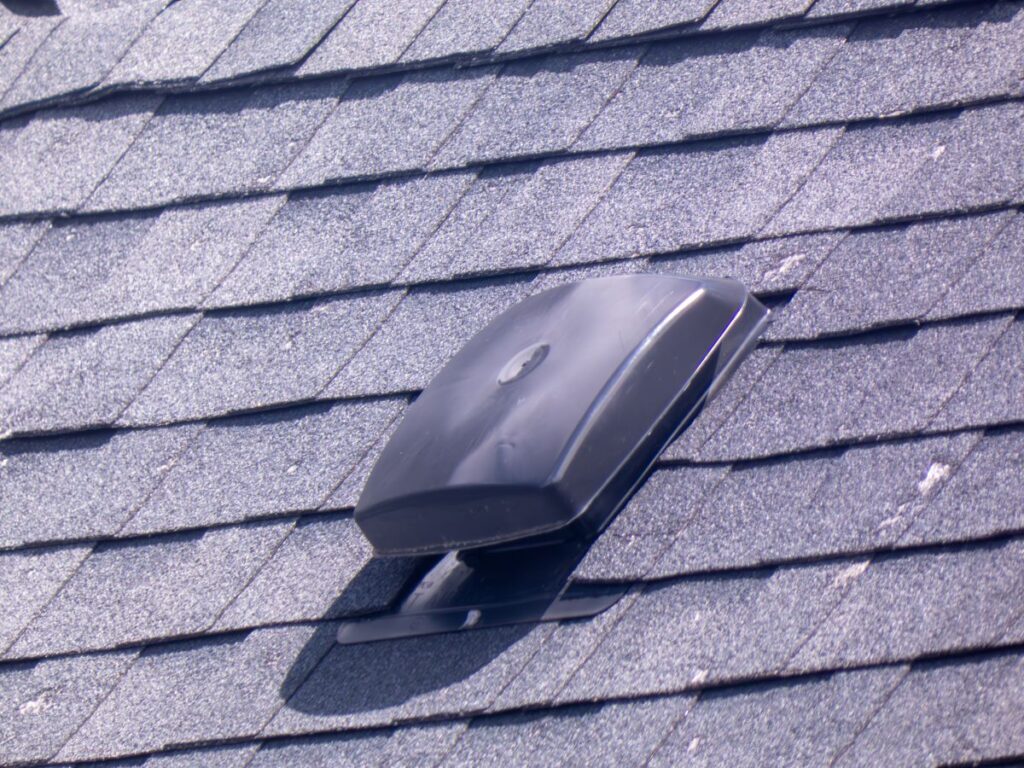
Proper ventilation is often overlooked, but it plays a major role in how long your roof lasts. Without adequate airflow, heat and moisture build up in the attic space and work against your roofing system from the inside out. In summer, extreme heat causes shingles to age prematurely from the underside. In winter, poor ventilation contributes to ice dams along the eaves. A well-ventilated attic keeps temperatures regulated, supports energy efficiency in your home, and significantly extends the life of your roofing system.
5. Maintenance History
Roofs that receive regular attention last longer than those that are ignored. Annual roof inspection, prompt repair of minor damage, and clearing of debris from gutters and valleys all contribute to a longer service life. Even a few missing shingles or a small unsealed crack can allow water to penetrate and cause rot, mold, and structural damage over time. Consistent care is one of the most cost-effective things a homeowner can do to delay the need for full roof replacement.
When all five of these factors line up favorably, Moore homeowners can often push their roofs to or beyond their rated lifespans. When multiple factors work against the roof, replacement may become necessary earlier than expected.
How to Tell If Your Roof Is Nearing the End of Its Life
Knowing the warning signs of an aging roof can save you thousands of dollars in preventable water damage. Many of the most telling indicators are visible without ever stepping foot on the roof, though a professional inspection is always the most reliable way to assess what is actually going on.
Granule Loss in Your Gutters
Asphalt shingle roofs are coated with granules that protect the underlying material from UV rays and physical damage. As shingles age, these granules loosen and wash off during rain. If you are finding large amounts of granule buildup in your gutters or downspouts, your shingles are likely approaching the end of their functional life.
Curling, Cracking, or Missing Shingles
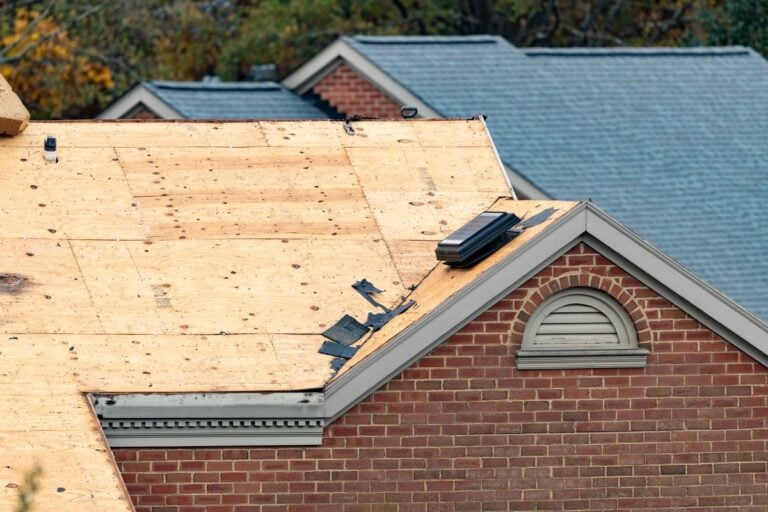
Shingles that are curling at the shingle edges, developing surface cracks, or going missing altogether are telling you that the material has lost its flexibility and protective capacity. Even a few missing shingles can expose the roof deck to moisture and lead to widespread damage if not addressed promptly. This is especially common after a harsh Oklahoma winter or a significant storm season in Moore and surrounding areas.
Sagging Roof Deck
If any portion of your roof appears to sag or dip inward, that is a serious structural warning sign. Sagging typically indicates prolonged moisture exposure and potential rot in the roof deck or supporting structure. This issue requires immediate evaluation by an experienced roofing professional.
Daylight Through the Attic
During a daylight inspection of your attic, look up toward the roofline. If you can see light coming through the boards, water can get in just as easily. Visible gaps or daylight are a clear sign that your roofing system has developed compromised areas. Water stains on the attic ceiling or rafters are another indicator that moisture has already found its way in.
Age Alone
If your roof is approaching or has exceeded 20 years and you are not sure of its full history, roof age alone is a reason to schedule a professional inspection. Even if the roof appears intact from the ground, internal aging and hidden damage may have already reduced its remaining life significantly.
Extending Your Roof’s Lifespan: Practical Steps for Oklahoma Homeowners
Getting the most out of your roof does not require major investment. It requires consistency. Moore homeowners who follow a few simple habits tend to see better performance from their roofing systems over time. Here are five practical steps that make a real difference.
- Schedule annual inspections: Having an experienced roofing professional assess your roof once a year, ideally before storm season, allows small issues to be caught and corrected before they escalate. This is especially important in Oklahoma where spring and fall storms can cause sudden, significant damage and lead to costly emergency repairs.
- Keep gutters clean: Clogged gutters back up water against the roofline and fascia, leading to rot and water infiltration. Clear your gutters at least twice a year, more often if you have trees near your home.
- Trim overhanging branches: Tree branches that hang over your roofline can scrape the surface during high wind events and deposit excessive debris. Keeping them trimmed reduces abrasion and prevents moisture buildup.
- Address storm damage promptly: After any major wind or hail event in Moore and surrounding areas, do not wait to have your roof evaluated. Small storm-related damage left unaddressed can shorten your roof’s remaining life substantially and may affect insurance claim eligibility.
- Choose quality materials at replacement time: When the time does come for a new roof, investing in higher-grade materials pays off in longevity. Architectural shingles with impact resistance ratings, for example, are specifically designed for weather-prone regions like central Oklahoma and can significantly extend roof life compared to basic alternatives.
The difference between a roof that barely makes it to 20 years and one that comfortably reaches 30 often comes down to these habits. Proper installation, proper ventilation, and ongoing maintenance are not optional extras. They are the foundation of a roofing system that performs for the long haul.
Ready to Know Where Your Roof Stands?
Your roof works hard every day to protect everything inside your home, and it deserves the same attention you give to any other major system. Whether you are dealing with an aging roof, recent storm damage, or simply want to know where your roof stands heading into another Oklahoma storm season, getting a professional assessment is the smartest first step.
Palladium Roofing has helped countless homeowners across Moore and the surrounding region understand their roofing systems, plan for maintenance, and navigate replacement decisions with confidence. Our team provides honest evaluations and straight answers, with no pressure and no runaround. When you are ready to take a closer look at what is protecting your home, contact us today and we will schedule a complimentary inspection at your convenience.
Related Articles