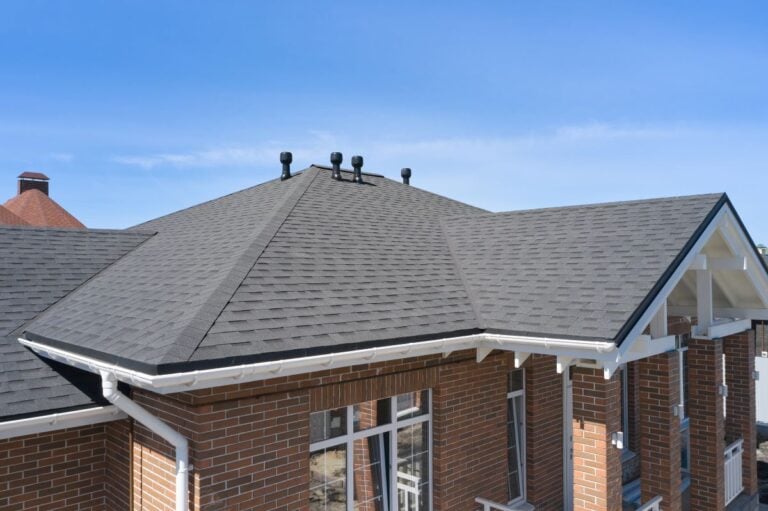

Storm Damage Insurance Claim (Things To Know)

A severe hailstorm or windstorm can leave your roof damaged in minutes, but the real test often begins after the storm passes, when it is time to file a storm damage insurance claim. Homeowners who understand the process from documentation through final payment tend to get faster approvals and fairer settlements than those who wing it. Before you call your insurer, it helps to know what a thorough roof evaluation actually involves and how it supports every step of your claim.
What you’ll learn:
- How to file a storm damage roof insurance claim step by step
- What to document before you ever pick up the phone
- What to expect when the adjuster arrives
- What to do if your claim comes back denied or underpaid
- How different claim outcomes compare and what each one means for you

Why Handling Your Claim Correctly Matters
Storm damage claims are one of the most common reasons homeowners in Oklahoma City and surrounding areas contact their insurance company after a bad storm, yet small mistakes early in the process can cost thousands of dollars later. A missed deadline, a poorly documented roof, or an unclear conversation with an adjuster can turn a straightforward claim into a drawn out dispute that drags on for months.
Getting the insurance claims process right from the start protects both your home and your budget. Here is why it matters so much:
- Financial protection: A properly documented claim increases the odds of appropriate reimbursement up to your coverage limits, rather than a partial payout.
- Faster approval: Insurers move more quickly when they receive complete information the first time.
- Fewer disputes: Understanding what adjusters look for reduces the chance of a denial or lowball offer.
- Long-term roof health: A claim handled correctly typically results in a more thorough repair or replacement.
None of this requires becoming an insurance expert. It simply means understanding the sequence most successful claims follow, broken down step by step below.
5 Steps To File A Storm Damage Roof Insurance Claim
Every storm damage claim moves through a similar sequence, and knowing what happens at each stage helps you avoid the most common delays and denials. The steps below reflect how most claims progress for homeowners in Oklahoma City and surrounding areas after a hail or wind event.
1. Document The Damage
As soon as it is safe to do so, take photos and video of the roof from multiple angles, along with any interior leaks, water stains, or debris. Insurers rely heavily on this evidence, and the sooner it is captured, the more clearly it reflects what actually happened.
- Photograph the roof from the ground and, if it is safe, from a ladder
- Capture close ups of cracked shingles, granule loss, dents, or torn flashing
- Note the date of the storm along with any local weather reports confirming it
Beyond photos, take reasonable emergency steps to prevent additional loss, such as tarping an exposed section of roof, and save receipts for emergency supplies, since insurers typically reimburse these costs. Avoid permanent repairs before the adjuster evaluates the damage, but keep records of any temporary repairs made in the meantime.
- File a sworn proof of loss within 60 days if your policy requires it
- Compile a written inventory list detailing damaged items, including approximate age and value
- Use official weather records to help confirm the storm’s severity
- Save damaged items when possible so the adjuster can inspect them directly
Not sure how severe the damage actually is? A HAAG-certified inspection can confirm whether the damage meets your policy’s threshold before you even call your insurer, so scheduling a free storm damage inspection for your claim is often the smartest first move.

2. Review Your Insurance Policy
Before contacting your insurer, review your dwelling coverage, deductible amount, and any exclusions tied to wind or hail. Home insurance deductibles typically range from $500 to $2,000, and you pay that amount before your insurance covers the remaining storm damage. Knowing these details in advance helps you ask sharper questions and recognize whether an early offer matches what your policy promises.
- Locate your policy documents to verify coverage limits and specific deductibles
- Check whether your policy pays actual cash value or full replacement cost, since this changes your payout significantly
- Review your other structures coverage and personal property coverage, which apply to fences, sheds, and belongings
- Confirm whether additional living expenses are covered, offsetting expenses related to temporary housing
Homeowners insurance typically covers wind damage, hail damage, wind driven rain, ice damage, lightning strikes and resulting damage, fallen trees, power surges, and broken windows caused by a bad storm, as long as the event qualifies as a covered loss. Flood damage is generally not covered by standard homeowners insurance, so a separate flood insurance policy must be purchased if rising water is a realistic risk. Wind damage can still lead to water damage inside your home, and it remains wind related rather than flood related for coverage purposes. A higher deductible can lower your premium, but if the repair cost is close to your deductible, filing a claim may not be worth the trade-off.
3. File The Claim With Your Insurer
Most policies require you to report damage to your insurance provider within a specific window after the storm, especially following a catastrophic event affecting a wide area. Calling your insurance company promptly with the date, location, and a summary of the visible damage keeps your claim moving instead of stalling.
4. Meet With The Insurance Adjuster
Your insurer will send an adjuster to inspect the roof in person, and you are allowed to have a licensed roofing contractor present during that visit. A second set of trained eyes often catches damage on slopes or sections that are easy to miss from the ground alone.
- Ask the adjuster to walk the entire roof, not just the most visible areas
- Request a written copy of the estimate once finalized
- Obtain written estimates from reputable contractors to compare against the adjuster’s evaluation
- Keep organized records of all claim correspondence and repair estimates
If you have a mortgage, the payout is sometimes issued as a check made out to both you and your mortgage lender, which can add an extra step before funds are released. If the adjuster’s estimate seems lower than the damage you have documented, do not sign off just yet. Getting a free storm damage inspection for your claim from an independent contractor before the paperwork is finalized can give you the leverage needed to request appropriate reimbursement.
5. Handle Disputes Or A Denied Claim
Occasionally a claim comes back denied entirely or approved for far less than the repair actually costs. When that happens, the goal shifts from documentation to advocacy, comparing your detailed records against the insurer’s findings and pushing back where the numbers do not add up. The next section walks through exactly how that process works.
Following these five steps in order keeps a claim organized from the first phone call through the final settlement. Homeowners who prepare this way in Oklahoma City and surrounding areas typically see fewer delays and stronger outcomes.
What To Do If Your Claim Is Denied Or Underpaid
A denial or a lowball settlement is frustrating, but it is rarely the final word. Insurers make mistakes, adjusters miss significant damage, and initial estimates sometimes fail to account for the true cost of materials and labor. The Insurance Information Institute notes that homeowners who provide additional documentation after a denial often end up with a fairer settlement.
- Request the adjuster’s full report: As the insured, you generally have the right to a copy of the written estimate and any notes explaining why certain damage was excluded or valued lower than expected.
- Get an independent estimate: A second inspection from a licensed roofing contractor can identify damage the adjuster missed or undervalued, potentially resulting in more money than the original offer.
- File an appeal or request a reinspection: Most insurers allow homeowners to formally dispute a decision, and a well documented appeal with photos and a contractor’s estimate carries real weight. Our detailed breakdown of how to get insurance to pay for a full roof replacement covers this process in more depth.
- Consider a public adjuster or state complaint: For larger disputes, a public adjuster can negotiate on your behalf, and Oklahoma homeowners can also file a complaint with the state insurance department if a claim was handled unfairly.
Pushing back on a denial or underpayment takes patience, but the process rewards homeowners who show up with clear documentation and a second professional opinion. Insurers often revise their position once presented with evidence that contradicts the original estimate.

Comparing Claim Outcomes
Not every storm damage claim ends the same way, and knowing what each outcome means helps you respond appropriately instead of assuming the first answer is final. The table below breaks down the three most common outcomes homeowners encounter.
| Outcome | What It Means | Recommended Next Step |
| Fully approved | Insurer agrees with the full scope and cost of repair or replacement | Schedule the work and keep all documentation for final payment |
| Approved but underpaid | Insurer agrees damage occurred but the payout falls short of actual cost | Request a reinspection or supplement with contractor documentation |
| Denied | Insurer determines the damage is not covered or not severe enough | Get an independent inspection and consider a formal appeal |
Understanding these categories removes some of the confusion that comes with an unexpected letter from your insurer. Whether the damage was caused by hail or high wind, our guide on how much hail damage it typically takes to justify a full roof replacement can help you gauge whether a denial or partial approval lines up with the severity of what happened to your roof.
Knowing which category your claim falls into is the first step toward deciding whether to accept the outcome or push for something closer to what the repair actually requires.
Let Us Help With Your Storm Damage Claim
Filing a storm damage insurance claim does not have to feel overwhelming once you understand the steps, the paperwork, and what to do if the first answer falls short. From documenting damage to meeting the adjuster to handling a denial, having an experienced team beside you throughout the insurance claims process makes a measurable difference. Palladium Roofing works with homeowners throughout Oklahoma City and surrounding areas at every stage of a storm damage claim, providing detailed inspection reports and clear guidance from the first phone call to the final payment.
If your roof was recently damaged and you are not sure where to start, do not navigate the claims process alone. Contact us today to schedule a free storm damage inspection and get straightforward support through every step of your claim.
Related Articles